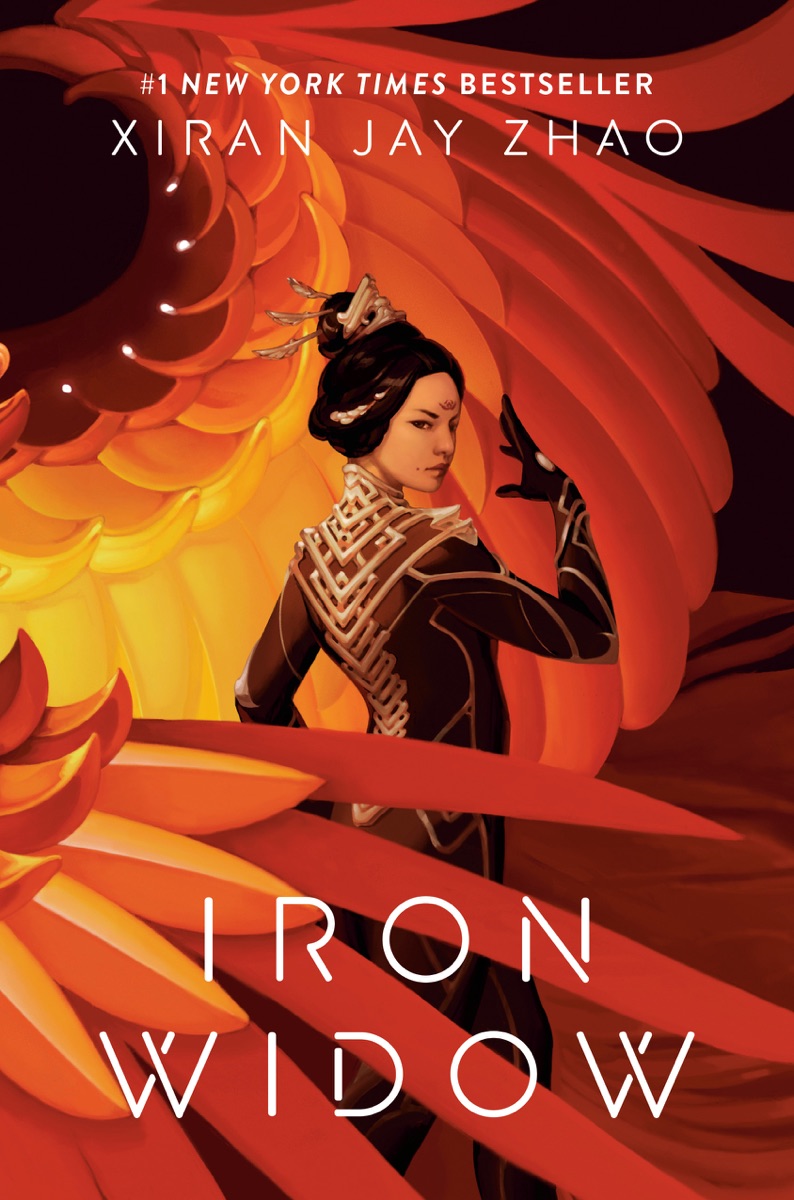
Iron Widow
by Xiran Jay Zhao · Iron Widow #1
A fierce, morally complex mecha epic where a young woman fights an oppressive system and becomes something more dangerous than what she's fighting
The story
In a world where young women are sacrificed as fuel for giant mecha that defend humanity from alien threats, eighteen-year-old Wu Zetian volunteers as a pilot with plans for revenge. When she survives the process that kills most women and emerges more powerful than expected, she becomes both a weapon and a threat to the military establishment. As she navigates alliances with two very different young men and uncovers truths about the system she has been fighting, she must decide how much of herself she is willing to sacrifice for power.
Age verdict
Best for ages 15-18. Content includes graphic violence, references to sexual exploitation, substance abuse themes, and complex moral territory without clear resolution. Parents of 14-year-olds should preview first.
Our take
kid-favored
What stands out
Each audience's top 3 dimensions. Out of 30 scored per book.
Kids love
- Plot unpredictability Exceptional
Multiple genuine reversals systematically demolish reader expectations throughout the narrative. Each major act contains a surprise that forces reconsideration of preceding events. The unpredictability operates at character, mechanic, and world-level scales, creating cascading surprises rather than isolated twists. Similar to Mockingjay (9, containing one of the most shocking twists in YA literature that inverts reader assumptions) in the magnitude of surprise and requirement for retroactive reassessment.
- First-chapter grab Strong
Zetian's sardonic voice grabs within three sentences, combining survival stakes with dark humor about her unibrow saving her from death. The opening ritual scene establishes character, world, and danger simultaneously — stronger than All the Broken Pieces (7, emotional stakes through verse) and similar to Lunch Lady (8, immediate kid-grounded entry with escalation), though driven by voice and personal stakes rather than action.
Parents love
- Stereotype-breaker Exceptional
Systematically inverts gender expectations — the protagonist seizes military power, refuses remorse for violence, and is neither redeemed nor punished for traits typically coded as masculine. A Chinese protagonist in sci-fi, a non-traditional relationship configuration, and physical disability represented without redemption framing combine into one of the most assertive representation profiles in recent YA. Similar to Gathering Blue (9, disabled protagonist whose limitation is never framed as something to overcome).
- Emotional sophistication Strong
Characters hold contradictory emotions simultaneously — love and manipulation coexist, tenderness emerges from violence, and family bonds are recognized as both genuine and insufficient. The protagonist processes the difference between being loved inadequately and not being loved at all, requiring emotional nuance beyond simple categories. Similar to Breakout (8, characters holding contradictory feelings simultaneously) in layered emotional architecture.
Teachers love
- Discussion fuel Exceptional
Nearly every major development generates genuine student disagreement with textual evidence on both sides — is the protagonist justified in escalating violence? Is the oppressive system worth destroying if innocents are harmed? Can you love someone you are also using? The moral complexity resists easy consensus, producing the kind of sustained classroom debate where students change their minds mid-argument. Similar to Sunny Rolls the Dice (9, questions about authenticity and conformity generating genuine extended debate).
- Critical thinking development Strong
The narrative requires readers to evaluate conflicting information throughout — the world's official history is later revealed as propaganda, forcing retroactive critical analysis of everything previously accepted. Students must track an unreliable narrator's blind spots and recognize when institutional narratives serve power rather than truth. Similar to All Our Yesterdays (8, time paradoxes requiring logical tracing and complete reframing of assumptions).
✓ Perfect for
- • Teens who love morally complex protagonists who refuse to apologize for being angry
- • Readers hungry for non-Western sci-fi worlds with Chinese cultural grounding
- • Fans of mecha anime and manga looking for literary depth
- • Older teens ready for a female anti-hero who challenges every expectation about women and power
Not ideal for
Readers who need clear moral guidance from the text or protagonists who are unambiguously good. Contains graphic violence, references to exploitation and abuse, and a protagonist whose choices become increasingly extreme. Not for younger or sensitive readers.
⚠ Heads up
At a glance
- Pages
- 394
- Chapters
- 47
- Words
- 120k
- Lexile
- HL830L
- Difficulty
- Challenging
- POV
- First Person
- Illustration
- None
- Published
- 2021
Mood & style
You'll know it worked when…
First in a duology with a satisfying emotional arc but significant plot threads left open for the sequel.
If your kid loved "Iron Widow"
Matched across 30 dimensions — interest hooks, character appeal, tone, pacing, emotional core. Not by what other people bought. By what fits the same reader profile.
Allegiant
by Veronica Roth
Same genre (sci fi). Same pacing (slow burn to explosive)
The Hunger Games
by Suzanne Collins
Same genre (sci fi). Both intense in tone
Red Queen
by Victoria Aveyard
Both intense in tone. Same pacing (slow burn to explosive)
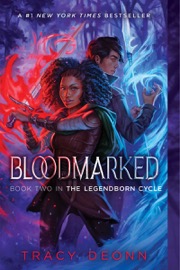
Bloodmarked
by Tracy Deonn
Both intense in tone. Same pacing (slow burn to explosive)
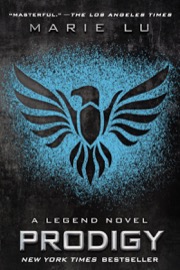
Prodigy
by Marie Lu
Same genre (sci fi). Both intense in tone
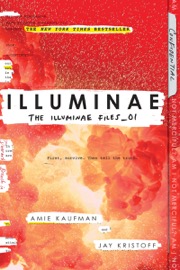
Illuminae
by Amie Kaufman & Jay Kristoff
Same genre (sci fi). Both intense in tone
Want more picks like this?
Get 5 hand-picked book reviews for your child's age — one email a month.