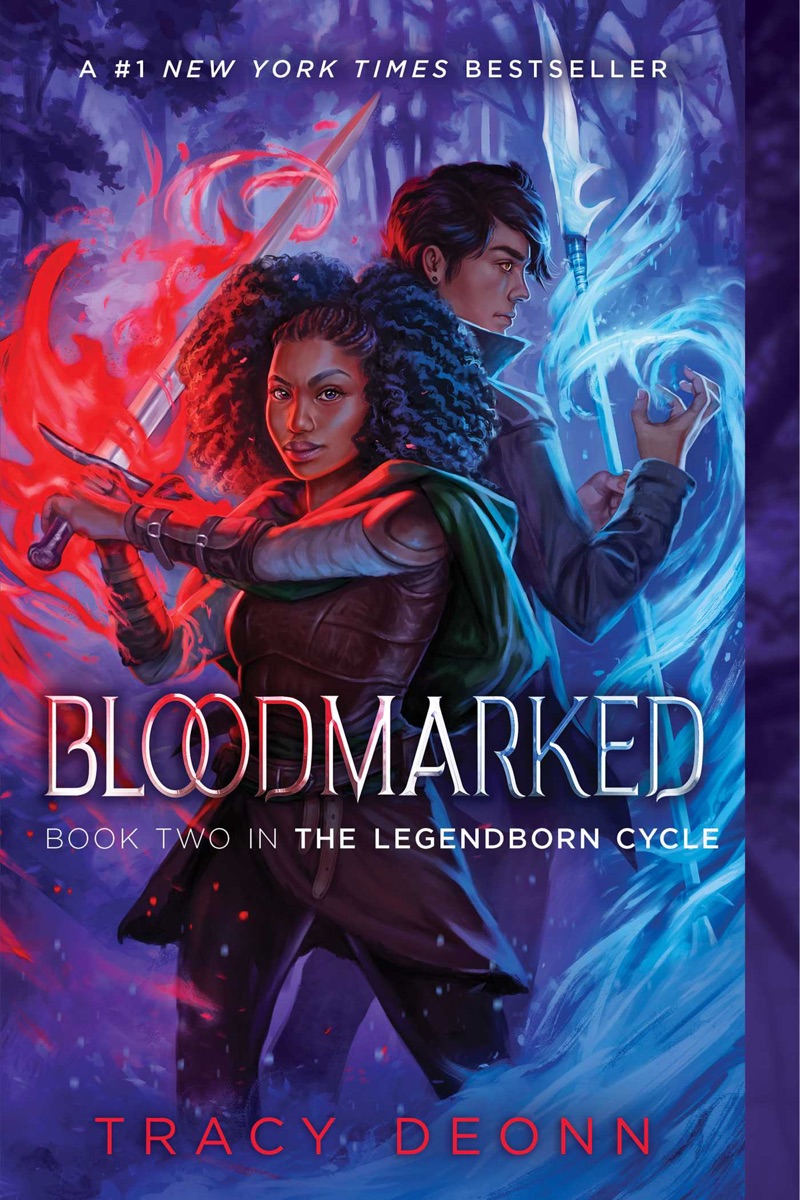
Bloodmarked
by Tracy Deonn · The Legendborn Cycle #2
Powerful story about a Black girl choosing her own destiny, even when it means leaving everyone behind
The story
Briana Matthews is a 16-year-old newly Awakened Scion of Arthur—inheritor of Arthurian magic and her mother's ancestral Bloodcraft. Trapped behind protective wards at the Legendborn Order (a hidden magical society at UNC Chapel Hill), Bree struggles to control dangerous dual-magic while her best friend Nick remains kidnapped. When the Order refuses to let her help and Bree uncovers deeper truths about the mysterious protector's bond to her bloodline, she faces an impossible choice that will cost her something central to save her Kingsmage Sel. Bloodmarked centers intergenerational trauma, institutional racism, and the cost of power—delivering a story that breaks expectations and honors the complexity of grief.
Age verdict
Publisher says 14+; KBC best fit is 15-17 (grades 10-12). CSM age 14 is conservative estimate. Advanced 13-year-olds with parental preview welcome. Content warnings: slavery (ancestral memory), grief (death of teen characters), violence (magical battles), racism (institutional), emotional abuse (control disguised as protection). Not recommended for readers with recent grief trauma or anxiety about institutional control.
Our take
Balanced with strength in critical thinking and emotional development. Kid scoring indicates strong engagement; parent scoring reflects accessibility with depth; teacher scoring shows exceptional discussion/critical thinking value. Notable: high emotional sophistication across all three perspectives.
What stands out
Each audience's top 3 dimensions. Out of 30 scored per book.
Kids love
- Heart-punch Exceptional
Multiple devastating emotional peaks woven throughout: funeral (Ch. 7), separation (Ch. 12), ancestral trauma (Ch. 26-35), irreversibility (Ch. 45), farewell (Ch. 56-60). Grief (40%) and rage (30%) pervasive; physical sensation vocabulary intensifies impact. Bree's emotions change how readers understand grief, rage, and sacrifice. Comparable to Tristan Strong in making grief the emotional engine of the entire book. Approaching level of teaching readers emotions they haven't experienced yet.
- First-chapter grab Strong
Opens with visceral eight-generation ancestral possession sequence establishing burden and specialness simultaneously. Prologue refuses distraction with emotional payoff, followed by immediate action (Bree jumping from window) and central conflict (confrontation with Sel). Comparable to All the Broken Pieces in emotional hook intensity, matching A Court of Mist and Fury's psychological disturbance level opening.
Parents love
- Stereotype-breaker Exceptional
Actively subverts chosen-one narrative at deepest level. Bree is angry, impulsive, physically weak, traumatized—not the special-girl-who-embraces-destiny. She REJECTS institutional control. Power comes from enslaved ancestry (collective burden) not individual heroism. Book centers intergenerational trauma, not empowerment fantasy. Advances Legendborn's groundbreaking stereotype-break. Comparable to Gathering Blue (disability reframe) and exceeds most YA fantasy in subversion depth.
- Emotional sophistication Exceptional
Teaches intergenerational trauma, grief mixed with rage, love mixed with powerlessness. Ancestral memory walks expose readers to visceral ancestral trauma (enslaved mothers fleeing). Adult readers recognize institutional control disguised as protection, sacrifice that costs loved ones, exile chosen to prevent corruption. Complex emotions held simultaneously: loyalty and necessity, grief and anger, love and helplessness. Comparable to Children of Blood and Bone and Bridge to Terabithia in teaching new emotional territory.
Teachers love
- Discussion fuel Exceptional
Rich discussion questions emerge naturally: Is Order protecting or imprisoning? Is Sel's control love or possession? Is Bree's Erebus bargain justifiable? Is exile better than institutional safety? These generate genuine disagreement and debate comparable to Breakout and Fantastic Mr Fox. Institutional control theme resonates across multiple entry points. The book's moral complexity supports extended classroom discussion, not one-answer resolution.
- Critical thinking development Exceptional
Requires critical thinking at high level: recognizing institutional control and gaslighting, evaluating competing perspectives (Sel's protection claim vs Bree's autonomy need), detective work (When did Erebus infiltrate? What was actual threat?), assessing moral complexity (Is bargain justified?). Students must question authority claims and evaluate competing narratives. Comparable to Mockingjay's claim-evaluation and ACOTAR's manipulation-recognition. Builds skills in perspective-taking and propaganda analysis.
✓ Perfect for
- • Teens who loved Legendborn and want more of Bree's journey
- • YA fantasy readers who appreciate complex protagonists over 'chosen one' tropes
- • Readers interested in Arthurian legend retellings with contemporary and ancestral-magic fusion
- • Fans of emotionally sophisticated stories that don't shy from grief and institutional critique
- • Readers with strong interest in Black representation in fantasy and cultural traditions (hoodoo/rootwork)
- • Teens processing feelings about autonomy, control, and belonging
Not ideal for
Readers who prefer lighter YA with happy endings, readers avoiding heavy grief/trauma content, readers seeking standalone entry (must read Book 1 first), readers uncomfortable with violence or systemic racism themes, reluctant readers seeking accessible page-counts (576 pages is substantial commitment)
⚠ Heads up
At a glance
- Pages
- 576
- Chapters
- 60
- Words
- 92k
- Lexile
- 690L
- Difficulty
- Challenging
- POV
- First Person
- Illustration
- None
- Published
- 2022
- Publisher
- Aladdin
- ISBN
- 9781534441637
Mood & style
You'll know it worked when…
Finishing signals: comfort with morally complex choices (Bree's ending is not triumph but honest), engagement with intergenerational/ancestral themes, interest in what Book 3 brings, readiness for emotional processing time after ending (book leaves emotional threads unresolved on purpose).
If your kid loved "Bloodmarked"
Matched across 30 dimensions — interest hooks, character appeal, tone, pacing, emotional core. Not by what other people bought. By what fits the same reader profile.
Red Queen
by Victoria Aveyard
Same genre (fantasy). Both intense in tone
Children of Blood and Bone
by Tomi Adeyemi
Same genre (fantasy). Both intense in tone
A Reaper at the Gates
by Sabaa Tahir
Same genre (fantasy). Both intense in tone
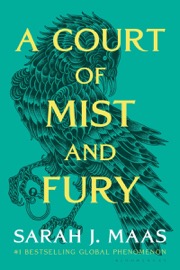
A Court of Mist and Fury
by Sarah J. Maas
Same genre (fantasy). Both intense in tone
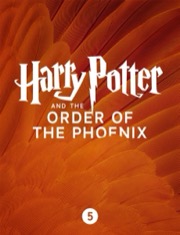
Harry Potter and the Order of the Phoenix
by J.K. Rowling
Same genre (fantasy). Same emotional weight (heavy)
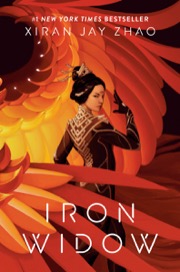
Iron Widow
by Xiran Jay Zhao
fantasy as secondary genre. Both intense in tone
Want more picks like this?
Get 5 hand-picked book reviews for your child's age — one email a month.