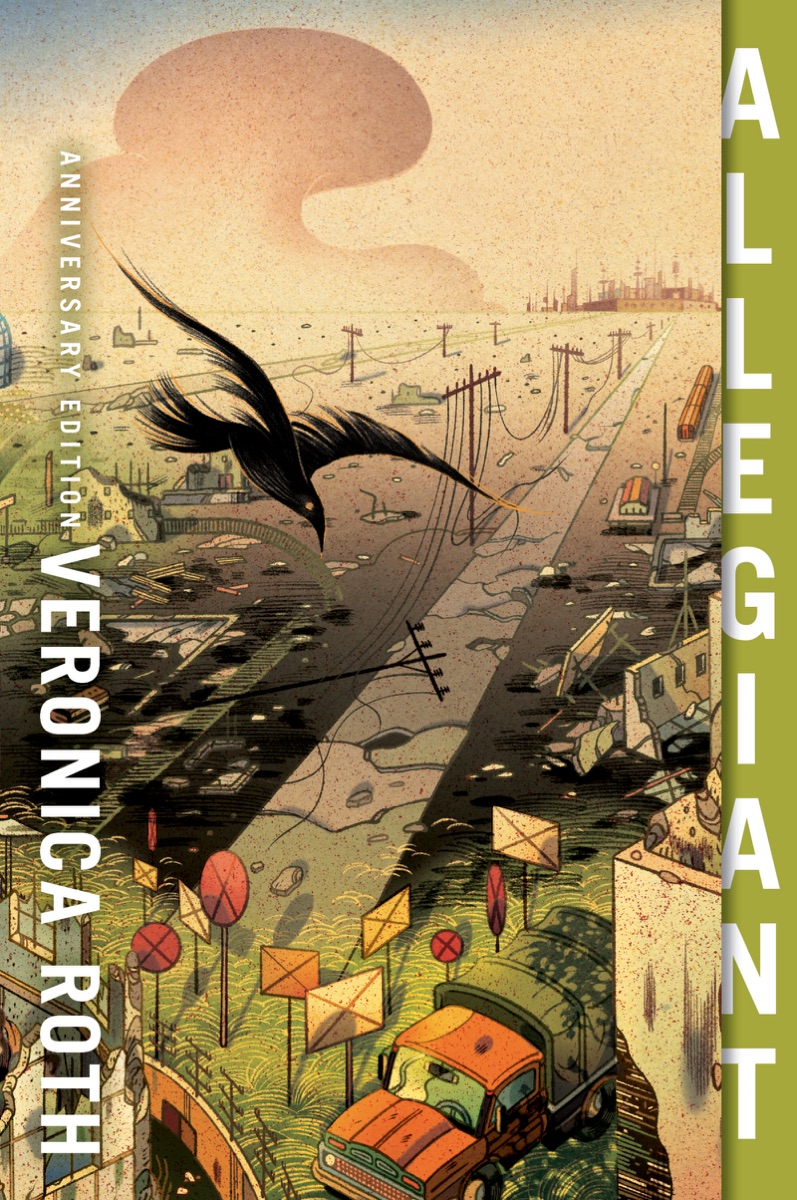
Allegiant
by Veronica Roth · Divergent #3
The Dystopian Trilogy Finale That Refuses Easy Answers
The story
Tris and Tobias venture beyond their city's borders into a larger world that challenges everything they thought they knew about their society, their identity, and what they are willing to sacrifice for the people they love. The third and final book in the Divergent trilogy takes the series in a darker, more morally complex direction.
Age verdict
Best for ages 14 and up; emotionally demanding with heavy themes throughout
Our take
Strong classroom utility and discussion value; moderate kid entertainment due to heavy themes and near-absent humor
What stands out
Each audience's top 3 dimensions. Out of 30 scored per book.
Kids love
- First-chapter grab Strong
Comparable to Lunch Lady and the Cyborg Substitute — both open in grounded, immediate-stakes space. Prison cell vs. cafeteria both establish world/character urgently. Sits at because hooks are equally powerful for audiences: Allegiant hooks *series* readers; Lunch Lady hooks new readers universally. Original score sustained after benchmark comparison.
- Heart-punch Strong
serum crisis (Ch.3), diary revelation (Ch.15), death-and-ritual (Ch.48-50). Terabithia: friendship deepened, then loss. Sits at because both achieve emotional depth without manipulation; endings honor grief authentically.
Parents love
- Stereotype-breaker Strong
Tris chooses sacrifice over safety; Tobias models vulnerability without shame. Genetic hierarchy challenged. Sits at because stereotype-breaking is integrated into thematic core, not performative addition.
- Moral reasoning Strong
serum ethics, genetic determinism, sacrifice philosophy. Characters reveal moral complexity—David destructive despite intentions; Caleb betrayer-redeemed. Sits at because moral reasoning is central and genuinely unresolved.
Teachers love
- Discussion fuel Exceptional
genetic hierarchy (eugenics), memory ethics (institutional control), sacrifice philosophy (is death justified?). No consensus possible; disagreement is genuine and substantive. Sits at because discussion quality approaches Bridge to Terabithia level for 14+ audiences.
- Critical thinking development Strong
genetic hierarchy presented as "science" (false authority requires questioning); David's bureau appears benevolent but becomes oppressive; destroying facility doesn't solve systemic problems. Passive reading fails; active reasoning essential.
✓ Perfect for
- • teens who love dystopian fiction
- • readers who want a series finale that doesn't take the easy way out
- • fans who have already read Divergent and Insurgent
- • teens interested in questions of identity, genetics, and institutional power
Not ideal for
readers who want a light or humorous read, sensitive readers who prefer emotional safety, or anyone who hasn't read the first two books
⚠ Heads up
At a glance
- Pages
- 526
- Chapters
- 56
- Words
- 110k
- Lexile
- 830L
- Difficulty
- Challenging
- POV
- Alternating
- Illustration
- None
- Published
- 2013
- Publisher
- HarperCollins
- ISBN
- 9780062024077
Mood & style
You'll know it worked when…
Readers who loved Divergent and Insurgent and are ready for a challenging, emotionally uncompromising conclusion
If your kid loved "Allegiant"
Matched across 30 dimensions — interest hooks, character appeal, tone, pacing, emotional core. Not by what other people bought. By what fits the same reader profile.
Mockingjay
by Suzanne Collins
Same genre (sci fi). Both dark in tone
Brave New World
by Aldous Huxley
Same genre (sci fi). Both dark in tone
Cinder
by Marissa Meyer
Same genre (sci fi). Same pacing (slow burn to explosive)
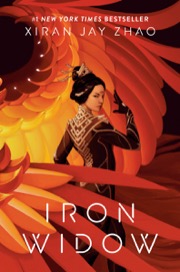
Iron Widow
by Xiran Jay Zhao
Same genre (sci fi). Same pacing (slow burn to explosive)
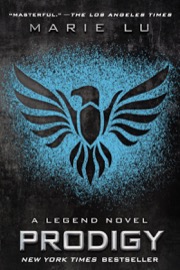
Prodigy
by Marie Lu
Same genre (sci fi). Same emotional weight (heavy)
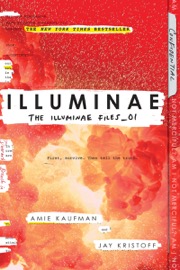
Illuminae
by Amie Kaufman & Jay Kristoff
Same genre (sci fi). Same emotional weight (heavy)
Want more picks like this?
Get 5 hand-picked book reviews for your child's age — one email a month.