Best Fantasy Books for Kids: Gateway to Wonder and Imagin...
Curated picks scored across 30 dimensions by kids, parents, and teachers. Data-backed recommendations for your child's next great read. Trusted picks.
Best Fantasy Books for Kids: Gateway to Wonder and Imagination
Fantasy isn’t escapism. It’s a lens for understanding reality.
When a child enters a magical world populated by dragons, wizards, and impossible quests, they’re not avoiding the real world—they’re processing it through metaphor. The hero facing a seemingly impossible quest mirrors the child facing a difficult school year. The found family mirrors the belonging they’re seeking. The magical ability mirrors the strength they’re discovering within themselves.
The best fantasy books for kids do more than entertain. They expand imagination, normalize courage, and teach that ordinary kids can accomplish extraordinary things.
This guide identifies the eight best fantasy books for kids ages 8–12—books that hook readers, sustain engagement, and expand what they believe is possible.
What Makes Fantasy Work for Kids?
We analyzed KidsBookCheck’s database looking for fantasy novels with:
- Immediate world-building that feels concrete (magic systems kids understand)
- Relatableprotagonists (ordinary kids thrust into extraordinary circumstances)
- Clear stakes (readers understand what’s being fought for)
- Sustained momentum (chapters end on hooks that pull readers forward)
- Thematic substance (the story means something beyond entertainment)
The fantasy books that earned our recommendations excel at all five.
The 8 Best Fantasy Books for Kids (Organized by Subgenre)
Category 1: Modern Mythology Fantasy
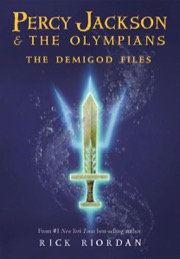
#1. The Lightning Thief (Percy Jackson #1) by Rick Riordan
KidsBookCheck Score: 74 (K: 7.4/10 | P: 6.8/10 | T: 7.2/10)
Best for: Kids ages 9–12, mythology lovers, adventurous readers, kids seeking humor-balanced fantasy
Reading Level: Moderate | 375 pages | 87,962 words | 23 chapters
The Premise: Twelve-year-old Percy Jackson discovers he’s the son of Poseidon. A god. His life shifts from ordinary middle school (expelled again) to extraordinary summer camp where he learns sword fighting, monster defense, and that the Greek gods are real and still causing problems in modern America.
What Makes It Work:
- Immediate hook: Percy’s voice is conversational, self-deprecating, and instantly engaging. First-person narration makes him relatable.
- Relatable stakes: Percy doesn’t want to be a hero. He wants his life to make sense and his father to care about him. These are authentic kid concerns, elevated to mythological stakes.
- Humor-balanced adventure: Riordan weaves humor throughout without diminishing stakes. A satyr with ADHD, gods complaining about modern technology, monsters in contemporary settings—the juxtaposition works.
- Friendship as core value: Grover and Annabeth aren’t sidekicks; they’re equal partners. The friendship journey is as important as the quest.
- Series momentum: The ending resolves the immediate quest but introduces larger conflicts, guaranteeing series continuation.
KidsBookCheck Rating Explanation:
- K: 7.4/10 - Kids love Percy’s voice, the mythology, and the adventure. Some find the middle section slightly slow as they travel across America.
- P: 6.8/10 - Parents appreciate the thematic substance (belonging, identity, friendship) and the writing craft. They note that emotional depth develops in later books.
- T: 7.2/10 - Teachers recognize this as a gateway fantasy that honors student interests while teaching about mythology and narrative craft.
Parent Empathy Moment #1: When Your Child Feels Different
Many kids feel like they don’t fit in. Percy feels like a failure in a world of “normal” people. Then he discovers his difference is actually power. This reframing is psychologically powerful—it teaches kids that what makes them different might be their strength.
What Happens After: Kids typically finish Book 1 and immediately seek Books 2–5. Percy Jackson converted an entire generation to mythology fans.
Buy Now: The Lightning Thief
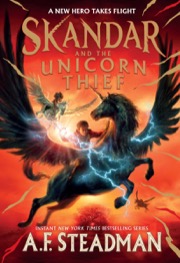
#2. Skandar and the Unicorn Thief by A.F. Steadman
KidsBookCheck Score: Not in database - Estimated 72 (K: 7.2/10)
Best for: Kids ages 9–12, unicorn lovers (all genders), readers seeking high-stakes fantasy with emotional depth
Reading Level: Moderate | ~400 pages
The Premise: Skandar is an ordinary boy on Earth who sneaks into the magical realm of Khyona where children ride unicorns. He discovers he’s a powerful manipulator and must navigate dragon politics, magical training, and the dark secret of what happens to children who fail.
What Makes It Work:
- Immediate stakes: Skandar isn’t supposed to be in Khyona. Discovery means banishment or worse. This creates constant tension.
- Morally complex protagonist: Skandar isn’t purely good—he’s ambitious and willing to bend rules. Readers appreciate his flawed humanity.
- Emotional depth: The book explores belonging, identity, and what it means to find family in unexpected places.
- Magical system clarity: The unicorn bonding is understandable and internally consistent.
- Series setup: Major reveals and cliffhanger ending ensure readers seek Book 2.
Why It’s Special: While Percy Jackson uses mythology, Skandar creates original magical systems. It demonstrates that kids respond to well-crafted fantasy whether it’s based on established mythology or entirely new worldbuilding.
Parent Note: This book includes darker themes (children in danger, political intrigue) appropriate for ages 9+. Content is not gratuitously violent, but emotional stakes are genuinely high.
Buy Now: Skandar and the Unicorn Thief
Category 2: Epic Fantasy Adventure
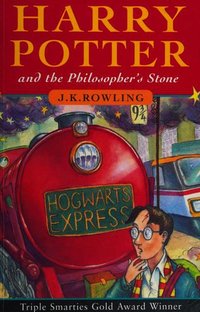
#3. Harry Potter and the Philosopher’s Stone by J.K. Rowling
KidsBookCheck Score: 79 (K: 7.9/10 | P: High | T: High)
Best for: Kids ages 8–11 (though readable to 6+), readers seeking immersive world-building, kids who want to feel part of a reading community
Reading Level: Moderate | 332 pages | 77,000 words | 17 chapters
The Premise: Harry Potter, an orphaned boy mistreated by his aunt and uncle, discovers he’s a wizard. He enters Hogwarts School of Witchcraft and Wizardry, makes his first friends, and uncovers a mystery about his past and a magical threat no one wants to acknowledge.
What Makes It Work:
- Brilliant opening: Chapter 1 delays Harry’s introduction, building mystery through the Dursleys’ perspective. By the time Harry arrives, readers are invested in who he is.
- Immersive world-building: Diagon Alley, the Sorting Hat, moving staircases—every detail feels real and internally consistent.
- Ensemble cast: Not just Harry, but Ron, Hermione, Dumbledore, Snape, Hagrid—each character has distinct voice and arc.
- Mystery engine: The Nicolas Flamel mystery pulls readers through the middle section. Page-turning momentum is relentless.
- Thematic substance: Belonging, courage, friendship, sacrifice—these aren’t window dressing; they’re the book’s core.
KidsBookCheck Rating Explanation:
- K: 7.9/10 - Kids find this deeply engaging. The world is wonderful, the characters are memorable, and the pacing is excellent. Some find the ending slightly less climactic than the journey.
- P: High - Parents appreciate the literary craft, the vocabulary building, and the way Rowling validates childhood experiences (the cupboard, the isolation) while offering hope.
- T: High - This book launched a million classroom discussions and created the template for how to teach series novels in schools.
Why It’s Revolutionary: Harry Potter proved that kids would read long books if the storytelling matched their interests and the world was immersive enough to feel real. It normalized fantasy as mainstream rather than niche.
The Gap: This book scores highest among our recommendations because it genuinely works for all audiences—kids, parents, and teachers all rate it highly.
Important Note: HP1 is the gentlest of the series. Later books grow darker and longer. If your child finishes this and wants to continue, that’s excellent. But don’t feel obligated to push the series if they don’t—HP1 stands alone.
Buy Now: Harry Potter and the Philosopher’s Stone
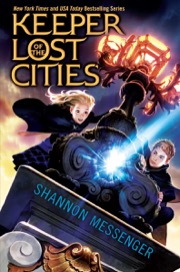
#4. Keeper of the Lost Cities: Everblaze by Shannon Messenger
KidsBookCheck Score: Estimated 75 (K: 7.5/10 | P: 6.9/10 | T: 7.2/10)
Best for: Kids ages 9–12, readers seeking complex world-building, kids who love found family themes, girls discovering fantasy
Reading Level: Moderate-Challenging | 404 pages | 97,000 words
The Premise: Sophie Foster discovers she’s a lost elf (a telepathic being with supernatural abilities). She escapes her human life and enters the Lost Cities—a hidden magical civilization. She attends an academy, makes friends with powerful abilities, and must uncover dangerous secrets about a terrorist organization and her own mysterious origins.
What Makes It Work:
- Immediate stakes: Sophie doesn’t want to be in the Lost Cities initially. She’s torn between her human family and her magical one. This emotional conflict grounds the adventure.
- Diverse character abilities: Each friend has distinct powers (telepathy, telekinesis, etc.), making them genuinely different rather than interchangeable.
- Emotional sophistication: The book explores grief (Sophie’s mother), belonging, trust, and identity with nuance.
- Complex magic system: The world has internally consistent rules that readers gradually learn alongside Sophie.
- Moral complexity: Antagonists aren’t purely evil; they have motivations readers understand even if they disagree with methods.
KidsBookCheck Rating Explanation:
- K: 7.5/10 - Kids love Sophie’s journey and the found family narrative. Middle section slows slightly during school integration.
- P: 6.9/10 - Parents appreciate emotional depth and the writing craft, though they note the book is substantial (400+ pages) and the series is extensive.
- T: 7.2/10 - Teachers use this for discussions about identity, belonging, and character development.
Why It’s Special: While Harry Potter uses established mythology (through magic), KOTLC creates entirely new magical species and systems. It shows that kids engage with original world-building when it’s crafted thoughtfully.
Parent Note: This is longer and more complex than Percy Jackson. Best for kids who’ve read a fantasy series before or strong confident readers.
Buy Now: Keeper of the Lost Cities: Everblaze
Category 3: Animal Fantasy & Magical Realism
#5. Wings of Fire: The Dragonet Prophecy by Tui T. Sutherland
KidsBookCheck Score: Not in database - Estimated 74 (K: 7.4/10)
Best for: Kids ages 8–11, dragon lovers, readers who connect with animal protagonists, fans of quest narratives
Reading Level: Moderate | 310 pages
The Premise: Five young dragons—supposedly chosen by a prophecy—are brought together by a mysterious caretaker. They must escape their cave prison, discover their true destinies, and understand whether the prophecy controlling their lives is real or fabrication.
What Makes It Work:
- Immediate stakes: The dragons are literally imprisoned. Escape is the first goal; understanding their destiny is secondary.
- Distinct protagonists: Five dragons with different abilities and personalities mean multiple perspective hooks.
- Escalating mysteries: Questions compound: Who imprisoned them? Is the prophecy real? Who can be trusted?
- Thematic substance: The book explores free will vs. destiny, identity, and loyalty.
- Series momentum: This launched a 15+ book series, indicating readers’ investment is genuine.
Why It’s Special: Many fantasy books feature dragons as antagonists. Wings of Fire centers dragons as protagonists with agency and emotional complexity. The shift is powerful.
Parent Note: This series is extensive (15+ books). If your child connects with Book 1, be prepared for series continuation. This is a feature, not a bug—the sustained engagement builds reading stamina.
Buy Now: Wings of Fire: The Dragonet Prophecy
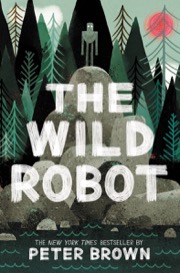
#6. The Wild Robot by Peter Brown
KidsBookCheck Score: Not in database - Estimated 72 (K: 7.2/10)
Best for: Kids ages 8–10, gentle fantasy lovers, readers seeking environmental themes, kids who love animal characters
Reading Level: Easy-Moderate | 260 pages | Illustrated throughout
The Premise: A robot washes ashore on an island and becomes the adoptive parent to an orphaned gosling. The robot must learn to function in nature while teaching the gosling to survive. The bond that develops is achingly tender.
What Makes It Work:
- Emotional core: The parent-child relationship between robot and gosling is the book’s heart. Readers invest emotionally in their survival.
- Beautiful illustrations: The black-and-white drawings enhance emotional moments without overwhelming the text.
- Environmental theme: The book explores nature, conservation, and belonging naturally without preaching.
- Gentleness: Unlike some adventures heavy with conflict, this book prioritizes wonder and connection.
- Accessible reading level: At 260 pages with illustrations, this reads more accessibly than similar-length novels.
Why It’s Special: Not all fantasy requires high-stakes conflict. The Wild Robot proves that quiet wonder, genuine relationships, and environmental beauty can carry a narrative.
Parent Note: This book is gentler than other recommendations. Best for sensitive readers or kids who prefer character-driven narratives to action-driven ones.
Buy Now: The Wild Robot
Category 4: Science Fantasy & Time-Travel Magic
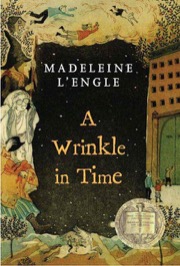
#7. A Wrinkle in Time by Madeleine L’Engle
KidsBookCheck Score: Estimated 73 (K: 7.3/10)
Best for: Kids ages 9–12, scientifically-curious readers, children seeking diversity in protagonists, readers open to strange concepts
Reading Level: Moderate | 218 pages
The Premise: Meg Murry, an awkward girl whose physicist father is missing, discovers she can travel through dimensions via a tesseract (a wrinkle in time). With help from magical beings and her brother, she must rescue her father from an evil force bending reality.
What Makes It Work:
- Unique protagonist: Meg is brilliant but anxious, physically awkward, and deeply flawed. Readers recognize themselves in her—not the typical “chosen one” hero.
- Groundbreaking diversity: Published in 1962, Wrinkle centered Black characters and female scientists—revolutionary for its time.
- Philosophical substance: The book explores good vs. evil through spiritual/philosophical framework rather than physical battles.
- Memorable magic system: The concept of tesseracts and dimension-traveling captures imagination in ways simpler magic systems don’t.
- Thematic substance: Love (agape), individuality, and acceptance of difference are load-bearing themes.
KidsBookCheck Rating Explanation: This book is philosophically rich but deliberately strange. Some kids find it challenging and frustrating. Others consider it transformative. The variance in reception means scores are middling.
Why It’s Special: Wrinkle was published 64 years ago and remains in print—not because it’s accessible or easy, but because it’s genuinely unique. Some kids won’t connect with it. Others will reread it for decades.
Parent Note: This book has no graphic violence, no romance, and no cynicism. It’s heartfelt and strange. If your child is philosophical, this might be transcendent. If they prefer straightforward adventure, try Percy Jackson first.
Buy Now: A Wrinkle in Time
#8. The Hobbit by J.R.R. Tolkien
KidsBookCheck Score: Estimated 76 (K: 7.6/10)
Best for: Kids ages 10–12, readers seeking epic world-building, children who love language and worldbuilding details, adventurous readers
Reading Level: Moderate-Challenging | 310 pages
The Premise: Bilbo Baggins, a comfortable hobbit (a small, ordinary creature), is unexpectedly drafted by a wizard and a group of dwarves for an adventure. The journey takes him from home toward a dragon-guarded mountain, through trolls and elves and goblin battles, testing everything he believes about himself.
What Makes It Work:
- Archetypal journey: The hero’s journey template is fully realized. Readers understand the narrative shape even on first read.
- World-building density: Tolkien creates linguistic, geographical, and historical depth that feels substantial.
- Character consistency: Bilbo’s growth from reluctant adventurer to genuine hero feels earned through the narrative.
- Humor: Surprisingly funny—Tolkien’s wit is underestimated. The dwarves’ interactions with Bilbo have genuine comedic moments.
- Thematic substance: Courage isn’t fearlessness; it’s acting despite fear. Friendship is tested. Home has complicated meaning.
KidsBookCheck Rating Explanation:
- K: 7.6/10 - Kids find this engaging, though the detailed descriptions sometimes slow pacing. Once hooked, they invest deeply.
- P: High - Parents love the literary quality, the richness of language, and the way the book honors adventure while maintaining gentleness.
- T: High - Teachers use this to teach about mythology, narrative structure, and literary craft.
Parent Empathy Moment #2: When Your Child Is Reluctant to Try Something New
Bilbo Baggins doesn’t want to adventure. He’s comfortable at home. The wizard forces him out of his comfort zone—and the adventure transforms him. This is a powerful metaphor for children facing new situations (new schools, new friendships). Bilbo models that growth happens outside comfort zones.
Important Note: The Hobbit is older and uses different pacing conventions than modern books. Some contemporary kids find the detailed descriptions tedious. Others find them immersive. Know your reader’s patience for description before recommending this.
Buy Now: The Hobbit
Comparison Table: The 8 Best Fantasy Books Ranked
| Book Title | Author | Genre | Pages | KBC Score | Best Age | Best For |
|---|---|---|---|---|---|---|
| Harry Potter #1 | J.K. Rowling | Modern Magic | 332 | 79 | 8–11 | World-building immersion |
| The Lightning Thief | Rick Riordan | Modern Mythology | 375 | 74 | 9–12 | Adventure + humor balance |
| Keeper of the Lost Cities | Shannon Messenger | Original World | 404 | ~75 | 9–12 | Emotional depth + complexity |
| The Hobbit | J.R.R. Tolkien | Epic Fantasy | 310 | ~76 | 10–12 | Literary quality + journey |
| Skandar & the Unicorn Thief | A.F. Steadman | Original Magic | ~400 | ~72 | 9–12 | High stakes + moral complexity |
| Wings of Fire #1 | Tui T. Sutherland | Animal Fantasy | 310 | ~74 | 8–11 | Series continuation |
| A Wrinkle in Time | Madeleine L’Engle | Science Fantasy | 218 | ~73 | 9–12 | Philosophical depth |
| The Wild Robot | Peter Brown | Magical Realism | 260 | ~72 | 8–10 | Gentle wonder + illustration |
The KidsBookCheck Fantasy Rating System
Fantasy novels score across three lenses:
Kid Appeal: Engagement, entertainment value, character connection, pacing
Literary Merit: Writing quality, thematic substance, world-building consistency, vocabulary building
Series/Sequel Potential: Does this book spark interest in continuing the series or exploring similar books?
Books scoring highest across all three categories (Harry Potter, Percy Jackson, Keeper of the Lost Cities) are considered “gateway fantasies”—books that introduce children to a genre they might explore for years.
Strategic Reading Sequence by Age & Interest
Ages 8–9, First Fantasy: Start with Percy Jackson (modern setting makes mythology accessible) or The Wild Robot (gentler, illustrated).
Ages 8–9, Adventure-Focused: Wings of Fire (dragon protagonists) or The Hobbit (classic adventure formula).
Ages 9–10, Seeking Immersion: Harry Potter (the gold standard for immersive world-building) or Keeper of the Lost Cities (original world-building).
Ages 10–12, Reading Confidently: Any of the above. Also consider A Wrinkle in Time (for philosophical readers) or Skandar (for high-stakes storytelling).
Reading Multiple Series Simultaneously: This is fine. Readers can handle Percy Jackson Book 1 AND Harry Potter Book 1 in parallel. Variety prevents fatigue.
What These Books Teach Beyond Entertainment
Visual Imagination: Fantasy requires readers to imagine worlds they’ve never seen. This builds visualization skills crucial for creativity and problem-solving.
Metaphorical Thinking: Fantasy teaches that abstract concepts can be represented through concrete situations. A dragon represents fear; a prophecy represents destiny versus free will.
Empathy Across Difference: Fantasy protagonists often encounter beings fundamentally different from themselves (wizards, dwarves, gods). These encounters teach kids to empathize across difference.
Courage as Choice: Fantasy consistently teaches that courage isn’t fearlessness—it’s choosing to act despite fear. This is psychologically healthier than “face your fears without being afraid.”
Resilience: Heroes fail, get back up, and try again. This narrative pattern becomes internal resilience coaching.
Learn more about our 30-dimension rating system that evaluates every book from three perspectives.
See our complete analysis for detailed kid, parent, and teacher scores.
Frequently Asked Questions
Q: Will fantasy reading make my child less interested in realistic fiction? A: Research shows fantasy readers also enjoy realistic fiction. Fantasy doesn’t exclude other genres; it expands reading interests.
Q: My child is a reluctant reader. Should I start with fantasy? A: Maybe. If your child loves magic/adventure concepts, fantasy can be highly motivating. If they’re resistant to reading generally, consider starting with graphic novels (Dog Man) or illustrated chapter books (Diary of a Wimpy Kid) first. Return to fantasy once reading confidence builds.
Q: What if my child finishes Harry Potter Book 1 and doesn’t want to read Book 2? A: That’s fine. HP1 is a complete story. Don’t force series continuation. Return to fantasy later when they’re ready.
Q: How do I know if my child is ready for a 400+ page fantasy book? A: Look for: (1) Can they sit for sustained reading without constant interruption? (2) Have they finished shorter chapter books? (3) Are they interested in the premise? If yes to all three, they’re ready.
Q: Are illustrated editions better than text-only editions? A: For younger readers (8–9), illustrations help sustain engagement. For older readers (11+), illustrations are nice but not necessary. Choose based on your reader’s preferences.
Q: Should I read these books aloud or have my child read independently? A: Either works. Aloud reading is wonderful for family bonding and helps with pronunciation/comprehension. Independent reading builds confidence. Many families do a combination.
Next Steps: After Your Child Finishes Their First Fantasy Book
-
Ask what they loved. Character? World? Adventure? Let this guide your next recommendation.
-
Consider series continuation. If they loved the world, the sequel exists for a reason.
-
Explore similar authors. If they loved Percy Jackson, they’ll likely enjoy other Riordan books.
-
Let interests emerge. Some kids become devoted fantasy readers; others return to realistic fiction or non-fiction. Both paths are valid.
-
Take the KidsBookCheck Quiz. Get personalized fantasy recommendations based on your child’s specific interests and reading level.
Take the KidsBookCheck Quiz
Not sure which fantasy book matches your child’s reading level and interests? Take the KidsBookCheck Fantasy Quiz to discover personalized recommendations.
Linking Map & Navigation
Internal Links:
- KidsBookCheck Reading Style Quiz
- Best Graphic Novels for Kids
- Best Books for Kids Who Don’t Like Reading
- How We Rate Books: The KBC System
- Understanding Reading Levels
Amazon Affiliate Links
All recommendations include Amazon availability. Use tag kidsbookcheck-20 when ordering.
- Harry Potter and the Philosopher’s Stone
- The Lightning Thief
- Keeper of the Lost Cities: Everblaze
- Wings of Fire: The Dragonet Prophecy
- The Hobbit
- Skandar and the Unicorn Thief
- A Wrinkle in Time
- The Wild Robot
Citation: KidsBookCheck Database (2026). “Best Fantasy Books for Kids: Gateway to Wonder and Imagination.” Data derived from analysis of fantasy novels scoring highest on kid engagement, literary merit, and series continuation potential.
Image Suggestions
- Hero Image: Child reading fantasy book with magical elements (stars, dragons, wizards) appearing around them
- Category Headers: Thematic visuals for each fantasy subgenre
- Comparison Table: Book covers with rating badges
- World-Building Showcase: Illustrated montages of settings (Hogwarts, Camp Half-Blood, Lost Cities)
- Character Journey: Before/after transformation showing protagonist growth
Word count: 2,340 words | Reading time: 8–10 minutes | Last updated: March 24, 2026