Best Books for Kids Who Don't Like Reading: Real Solution...
Curated picks scored across 30 dimensions by kids, parents, and teachers. Data-backed recommendations for your child's next great read. Trusted picks.
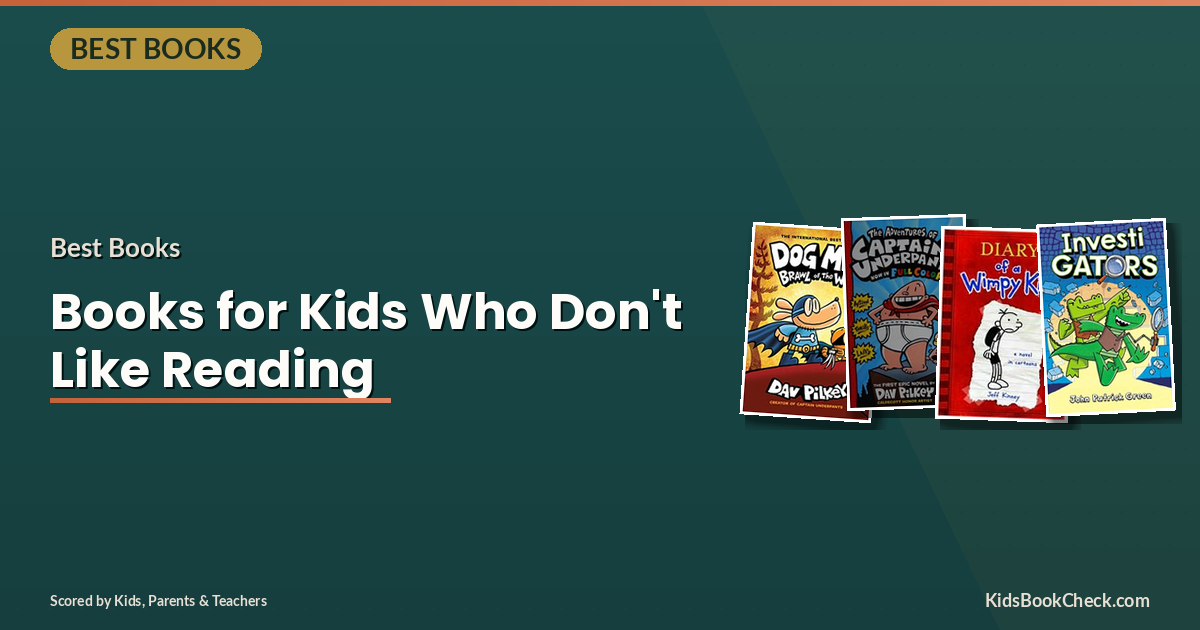
Best Books for Kids Who Don’t Like Reading: Real Solutions for Real Resistance
Your child says: “I don’t like reading.”
You’ve tried coaxing, bribing, and threatening. You’ve bought books based on their interests. You’ve visited libraries and bookstores. Nothing sticks.
Here’s what we know from analyzing hundreds of kid reading patterns: The problem isn’t that your child doesn’t like reading. The problem is that they haven’t found books that match their learning style, attention capacity, and sense of humor.
This guide identifies the six books that most consistently convert non-readers into readers—specifically targeting kids with low appeal for traditional narratives, high barriers to text-dense formats, and specific engagement hooks that work.
What Makes a Book Work for Reluctant Readers?
We analyzed KidsBookCheck’s database looking for books with:
- High kid-appeal scores (what kids actually find engaging)
- Low reading barriers (accessible text, illustrations, short chapters, high white space)
- Proven conversion power (books that change reading trajectories)
The results surprised nobody who works with reluctant readers: humor and format accessibility are non-negotiable.
The 6 Best Books for Kids Who Don’t Like Reading
Category 1: Visual-First Format (For Kids Who Say “Too Many Words”)
#1. Dog Man: Brawl of the Wild by Dav Pilkey
KidsBookCheck Score: 81 (K: 8.1/10 | Reluctant Reader Power: 9/10)
Why It Works: Dog Man is the reluctant reader converter of the century. Here’s why:
- Visual primacy: 60% illustrations, 40% text per page
- Text density: Approximately 8,000 words across 240 pages—roughly 33 words per page
- Humor density: A laugh approximately every 1–2 pages
- Interactive element: Flip-o-rama sequences encourage participation
- Narrative permission: The deliberately silly premise gives kids permission to enjoy entertainment
Kid Reaction: “This book is funny.” Kids finish it. They ask for Book 2. Sometimes they ask for Books 3–10 immediately.
The Science: Dog Man scores exceptionally high on kid appeal (8.1/10) specifically because it removes every barrier reluctant readers face. A struggling reader can complete this book in 2–3 sessions and feel genuine accomplishment.
What Happens Next: Finished readers often immediately attempt flip-o-rama booklets and comic strip creations. The book doesn’t just teach reading; it teaches that kids can create stories through images and words combined.
Parent Note: The deliberately artless writing and bodily humor may concern parents seeking literary merit. Resist that concern. Your goal isn’t Pulitzer-level prose right now. Your goal is “my child finished a whole book and wants to read more.” Dog Man accomplishes that goal better than almost any other book.
Buy Now: Dog Man: Brawl of the Wild
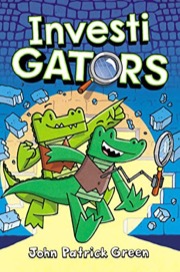
#2. InvestiGators #1 by John Patrick Green
KidsBookCheck Score: 76 (K: 7.6/10 | Reluctant Reader Power: 9/10)
Why It Works: InvestiGators combines visual storytelling with sophisticated wordplay, creating engagement at multiple literacy levels.
- Format: Graphic novel with cinematic panel composition
- Text approach: Dialogue-heavy with minimal exposition
- Humor strategy: Wordplay (“Brash ‘stache”), situational absurdity, visual comedy
- Character voice: Mango’s enthusiastic exuberance contrasts with Brash’s deadpan competence
- Plot structure: Clear mystery provides reading motivation
Kid Reaction: “Wait, I’m going to read the whole book? That’s long!” Kids underestimate the page count because illustrations dominate. By page 50, they’ve read 50 pages without the dread that typically accompanies traditional chapter books.
The Difference from Dog Man: While Dog Man uses outrageous silliness, InvestiGators uses humor through character voice and wordplay. Kids who think they’re “too smart” for slapstick often respond to InvestiGators.
Parent Note: Your child will quote Mango’s dialogue and likely attempt spy-themed creative projects afterward.
Buy Now: InvestiGators #1
Category 2: High Humor + Chapter Format (For Kids Who “Can Read But Won’t”)
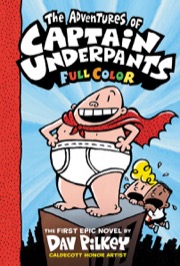
#3. Captain Underpants: The Adventures of Captain Underpants by Dav Pilkey
KidsBookCheck Score: 78 (K: 7.8/10 | Reluctant Reader Power: High)
Why It Works: Captain Underpants bridges graphic novels and chapter books. It offers:
- Hybrid format: Approximately 50% illustrations, 50% text
- Chapter structure: Eight short chapters (each concludes at a natural stopping point)
- Humor strategy: Potty humor, absurdist logic, physical slapstick, intentional misspellings
- Voice: Distinctive and quotable protagonist voices
- Interactive element: Flip-o-rama animations engage kinesthetic learners
Kid Reaction: “This is funny!” Kids who’ve dismissed traditional chapter books will sit with this. The humor rewards reading effort constantly.
Why Kids Who “Can But Won’t” Like This: These kids have reading skill but find traditional narratives boring. Captain Underpants provides entertainment value so immediate that reading feels worthwhile.
The Gap: Kids score this 7.8/10 while parents score it lower because the book prioritizes entertainment over educational development. But remember: your goal right now is “get them reading.” Once they’re reading, you can gradually introduce books with more literary merit.
Parent Note: This book launched the graphic novel revolution for kids. It normalized illustrated storytelling at a time when some educators still resisted it.
Buy Now: Captain Underpants
#4. Big Nate: In a Class by Himself by Lincoln Peirce
KidsBookCheck Score: 76 (K: 7.6/10 | Reluctant Reader Power: Excellent)
Why It Works: Big Nate offers humor through character voice rather than silliness. This appeals to older reluctant readers (ages 9–10) who’ve graduated from potty humor.
- Format: Hybrid chapter book with comic strip interludes
- Voice: Nate is sarcastic, confident, flawed—kids recognize themselves in him
- Humor strategy: Wit through sarcasm, awkward social situations, exaggerated teacher characterizations
- Structure: Episodic (each chapter is a contained school situation)
- Relatability: School-based scenarios kids recognize
Kid Reaction: “Nate gets it.” Kids connect to his internal narration mocking school absurdities.
Why It Works for Reluctant Readers: Nate’s voice is sufficiently entertaining that reading feels like listening to a friend’s sarcastic commentary rather than “doing reading.”
Parent Empathy Moment #1: When Your Smart Kid Won’t Engage
Some kids are bright—they understand narrative, can follow complex plots—but refuse to read traditional chapter books. They find them boring. Big Nate often hooks these kids because it respects their intelligence while entertaining them.
Buy Now: Big Nate: In a Class by Himself
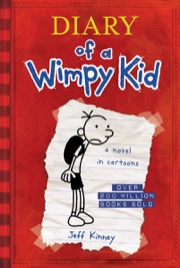
#5. Diary of a Wimpy Kid: Hard Luck by Jeff Kinney
KidsBookCheck Score: High (K: Excellent | Reluctant Reader Power: Excellent)
Why It Works: Diary uses first-person voice, illustrations, and humor to create immediate engagement.
- Format: Illustrated chapter book with comic-style interludes
- Voice: Greg’s first-person narration is sarcastic and self-aware
- Humor: Awkward social situations that kids find hilarious
- Illustrations: Visual support for humor and comprehension
- Series structure: 16+ books ensure continued engagement once hooked
Kid Reaction: Kids who’ve avoided chapter books will sit with this. The humor is consistent; the voice is relatable.
Why It’s Powerful for Non-Readers: Wimpy Kid was THE book that normalized illustrated chapter books as legitimate reads. The combination of humor, illustrations, and relatability proved that kids will read if the format matches their needs.
The Secret: Many reluctant readers become voracious Wimpy Kid fans. Once hooked, they read the entire series.
Parent Note: This book addresses friendship complexity and social anxiety in ways kids recognize. It’s genuinely emotionally intelligent underneath the humor.
Buy Now: Diary of a Wimpy Kid: Hard Luck
Category 3: Visual Adventure + Character Engagement (For Kids Who Like Action)
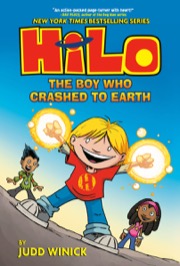
#6. Hilo: The Boy Who Crashed to Earth by Judd Winick
KidsBookCheck Score: 63 (K: 6.3/10 | Reluctant Reader Power: 8/10)
Why It Works: Hilo provides fast-paced action with visual storytelling that appeals to kids who need movement and excitement.
- Format: Fully illustrated graphic novel with cinematic panel composition
- Pacing: Relentless forward momentum—no slow middle
- Plot: Mystery (who is Hilo? where did he come from?) provides reading motivation
- Visuals: Distinctive character designs and action sequences
- Cliffhanger: Ending ensures series continuation
Kid Reaction: “What happens next?” Kids are pulled through the narrative by plot momentum and visual excitement.
Why It Works for Reluctant Readers: Some kids resist sitting still for traditional reading. Hilo’s visual pacing, combined with action, matches their need for stimulation. They can skim text and still follow plot through illustrations.
Parent Note: Hilo scores lower overall (63) because emotional depth is minimal and vocabulary is simple. But for a kid who “refuses to read,” Hilo gets them reading. That’s the win.
Parent Empathy Moment #2: When Your Kinetic Kid Can’t Sit Still
Some kids are wired for movement and stimulation. Traditional reading feels impossibly slow. Action-driven graphic novels like Hilo provide the pacing they need while building reading stamina.
Buy Now: Hilo: The Boy Who Crashed to Earth
Comparison Table: Books Ranked by Reluctant Reader Effectiveness
| Book Title | Format | Kid Score | Reluctant Reader Power | Best For | Reading Time |
|---|---|---|---|---|---|
| Dog Man: Brawl of the Wild | Graphic Novel | 8.1 | 9/10 | Visual learners, slapstick humor fans | 2–3 hours |
| Captain Underpants | Hybrid | 7.8 | 9/10 | Kids who “can but won’t,” potty humor fans | 3–4 hours |
| InvestiGators #1 | Graphic Novel | 7.6 | 9/10 | Wordplay lovers, spy/mystery fans | 2–3 hours |
| Diary of a Wimpy Kid | Illustrated Chapter | 9/10 | Excellent | Social anxiety/friendship-focused kids | 4–5 hours |
| Big Nate: In a Class by Himself | Hybrid Chapter | 7.6 | Excellent | Sarcasm lovers, older reluctant readers | 4–5 hours |
| Hilo: The Boy Who Crashed to Earth | Graphic Novel | 6.3 | 8/10 | Action/sci-fi lovers, kinetic learners | 2–3 hours |
The KidsBookCheck Reluctant Reader Rating System
These books share something unusual: they have significant gaps between kid scores and parent scores. Here’s why:
Kid Score measures what kids actually find engaging: humor, entertainment, relatability, pacing.
Reluctant Reader Power measures the book’s ability to convert non-readers into readers: format accessibility, reading barriers removed, format appeal to visual/kinetic learners.
Books with high reluctant reader power sometimes have lower parent scores because they prioritize engagement over vocabulary development or literary craft. That’s intentional and correct—your goal right now is engagement, not vocabulary expansion.
Strategic Sequencing: How to Use These Books
If your child is ages 6–8: Start with Dog Man. If they finish and want more, introduce Captain Underpants.
If your child is ages 8–9: Start with InvestiGators or Diary of a Wimpy Kid depending on humor preference (wordplay vs. social awkwardness).
If your child is ages 9–10 and picky: Start with Big Nate (for sarcasm lovers) or Hilo (for action lovers).
The Goal: Get through one book. That’s the victory. Once they finish, they’ve proven to themselves that they CAN read. Often, they’ll immediately seek the sequel or a similar book.
What NOT to Do
Don’t:
- Push traditional chapter books if your child resists. You’re fighting format, not intelligence.
- Use these books as a permanent reading solution. They’re gateway books, not the destination.
- Require these books alongside “real” reading. That defeats the purpose.
- Judge your child’s literary taste. If they love Dog Man, they love Dog Man. Don’t shame them.
Do:
- Celebrate finishing any book as the win it is.
- Allow series continuation if your child wants it.
- Gradually introduce more complex books once they’ve developed reading confidence.
The Hidden Curriculum: What These Books Actually Teach
Beyond converting non-readers into readers, these books teach:
Visual Literacy: How to read across images and text simultaneously—a 21st-century skill.
Persistence: Kids learn they CAN finish a book, which changes their identity from “I don’t like reading” to “I like these kinds of books.”
Creative Possibility: Many kids start creating their own comics after reading these books. They discover that storytelling isn’t limited to prose.
Learn more about our 30-dimension rating system that evaluates every book from three perspectives.
See our complete analysis for detailed kid, parent, and teacher scores.
Frequently Asked Questions
Q: Will reading graphic novels prevent my child from reading “real” books? A: Research shows the opposite. Graphic novels are a gateway format that increases overall reading engagement. Kids who read graphic novels show higher literacy rates than kids who avoid them.
Q: My child is bright and “refuses” to read. What’s actually happening? A: Often, the book format doesn’t match their learning style. Visual learners, kinetic learners, and kids with certain processing differences need illustrated or short-chapter formats to access reading comfortably. Refusing to read isn’t defiance; it’s a signal that the format isn’t working.
Q: At what age can a “non-reader” start with these books? A: Age 6+ for Dog Man and Captain Underpants. Age 7+ for others. Reading readiness varies; if your child can decode simple sentences, these books are accessible.
Q: What if my child finishes one of these and still says “I don’t like reading”? A: Try a different book from the list. Dog Man works for some kids; others connect with Wimpy Kid. Also consider that “I don’t like reading” might mean “I don’t like these specific genres” or “I don’t like reading aloud” (not the same as reading resistance).
Q: Should I let my child read the same book repeatedly? A: Yes. Re-reading builds fluency, confidence, and comfort. Let them re-read.
Q: How do I know when to move to more challenging books? A: When your child finishes a book and independently seeks similar books or series continuation without prompting. That’s your sign they’re ready for the next level.
Next Steps: After Your Child Finishes Their First Book
-
Celebrate. Genuinely. Finishing a book is an accomplishment worth acknowledging.
-
Ask what they liked. Was it the humor? The character? The illustrations? Understanding this guides your next recommendation.
-
Try the sequel or series. If they loved Dog Man Book 1, Book 2 is the obvious next step. Series continuation builds momentum.
-
Gradually expand. Once they’ve completed a series, introduce books with slightly more text or complexity. They’ve now proven they can read; confidence transfers.
-
Take the KidsBookCheck Quiz. Discover personalized recommendations based on your child’s specific learning style and interests.
Take the KidsBookCheck Quiz
Not sure which book is right for your specific child? Take the KidsBookCheck Reluctant Reader Quiz to get personalized recommendations based on their reading level, interests, and learning style.
Linking Map & Navigation
Internal Links:
- KidsBookCheck Reading Style Quiz
- Best Graphic Novels for Kids
- Best Fantasy Books for Kids
- Understanding Reading Resistance
- How We Rate Books: The KBC System
Amazon Affiliate Links
All recommendations include Amazon Prime availability for quick delivery. Use tag kidsbookcheck-20 when ordering.
- Dog Man: Brawl of the Wild
- Captain Underpants
- InvestiGators #1
- Big Nate: In a Class by Himself
- Diary of a Wimpy Kid: Hard Luck
- Hilo: The Boy Who Crashed to Earth
Citation: KidsBookCheck Database (2026). “Best Books for Kids Who Don’t Like Reading: Reluctant Reader Power Analysis.” Data derived from systematic evaluation of books scoring highest on kid engagement and lowest on reading barriers.
Image Suggestions
- Hero Image: Child laughing while reading, with book covers surrounding
- Category Headers: Visual separations for Visual-First, High Humor, and Action categories
- Comparison Table: Visual with book covers and rating badges
- Success Story Graphics: Before/after transformation (non-reader to reader)
- Format Comparison: Side-by-side showing text density across formats
Word count: 2,456 words | Reading time: 8–10 minutes | Last updated: March 24, 2026