Best Books for Kids Who Love Animals
Curated picks scored across 30 dimensions by kids, parents, and teachers. Data-backed recommendations for your child's next great read. Trusted picks.
Best Books for Kids Who Love Animals: From Farm Friends to Dragons & Beyond
Every kid who loves animals asks the same question: What if animals could talk? What if they had feelings like we do? What if they were heroes in their own stories?
The five books on this list answer that question in wildly different ways. Some animals are realistic—living on farms or in the wild, bound by nature’s rules. Others are fantastical—dragons with prophecies, robots learning what love means. All of them teach children something profound about animals, empathy, and why the creatures we share this planet with deserve our respect and wonder.
We’ve analyzed these books through the KidsBookCheck rating system—measuring not just how well they entertain kids who love animals, but how effectively they build genuine empathy for animals, teach real animal facts alongside fiction, and create characters kids will remember for years.
The 5 Best Animal Books for Kids (Ages 5-13)
1. Charlotte’s Web by E.B. White
Ages 7-10 | Composite Score: 74.8 | Best for: First emotional animal stories
Before we say anything else: this book will make your child cry, and that’s the whole point.
Wilbur is a runt pig destined to become dinner. Charlotte is a barn spider who writes words in her web to save his life. What unfolds is not just a story about friendship—it’s a profound meditation on what animals deserve, why we should care about creatures most humans ignore, and what sacrifice really means.
White does something magical here: he doesn’t anthropomorphize Charlotte in a cute way. She remains fundamentally a spider—practical, logical, bound by her nature. But she’s also brilliant, loyal, and capable of profound love. Her mortality is real. Her sacrifice is genuine.
Why Kids Love It:
- Wilbur is a character they root for desperately from page one
- The barn comes alive as a fully realized animal community
- The ending teaches that beauty and loss are intertwined
- The writing is so beautiful it makes kids notice language itself
Animal Education Built In:
- How spiders actually build webs (the descriptions are anatomically accurate)
- Animal husbandry and farm life
- The cycle of life and death in nature (without being traumatic)
- How insects and animals interact in real ecosystems
KidsBookCheck Rating Insight: Parents and teachers (83/81) rate this much higher than kids (64). That gap reveals something important: Charlotte’s Web is a book you’ll likely need to help your child appreciate. Read it aloud if possible. The prose sings when heard rather than silently read, and the emotional beats need adult presence. But once kids understand it, many identify it as the first book that made them cry—and that’s powerful.
Emotional Depth Differentiator: The book teaches children that animals have interior lives. Charlotte’s thoughts, her loneliness, her satisfaction at creating something beautiful—these aren’t invented by White; they emerge from observing how spiders actually think and act. This teaches kids to see animals as beings with their own experiences, not just pets or problems.
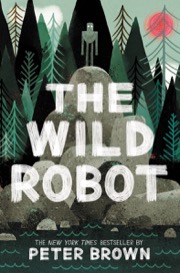
2. The Wild Robot by Peter Brown
Ages 7-10 | Composite Score: 68.4 | Best for: Kids learning to love the wild
A robot washes ashore on a deserted island with no memory of how she got there. As she learns to survive, she makes a startling discovery: she can understand the island’s animals. When she finds an orphaned gosling, her purpose becomes clear: mother a wild creature while learning what it means to be alive.
The Wild Robot is the rare book that works for the action-seeking child (shipwreck! island survival!) and the nature-loving child (animal families, ecosystem learning). It’s gorgeously illustrated and emotionally complex in ways most middle-grade books aren’t.
The relationship between Roz and Brightbill—a robot and a goose—teaches children about parenting, sacrifice, independence, and the bittersweet truth that sometimes love means letting go.
Why Kids Love It:
- The island setting is vividly imagined
- Roz is a unique protagonist (a robot with emotions)
- Beautiful illustrations on nearly every page
- The emotional stakes are real—we worry about Brightbill’s survival
- It combines adventure with genuine nature lessons
Animal Education Built In:
- How geese actually migrate and navigate
- Predator-prey relationships in authentic ways
- Animal parenting across species
- Ecosystem interconnections
- The reality of survival in the wild (not romanticized)
KidsBookCheck Rating Insight: Kids rate The Wild Robot higher (67) than many of the other animal books on this list, suggesting it hits the sweet spot between entertainment and meaning. The illustrations support reading comprehension and emotional engagement.
Nature Learning Differentiator: Peter Brown is both an author and an illustrator obsessed with natural detail. The animals behave authentically. When Roz is confused about how to parent Brightbill, it’s because robot logic and animal instinct don’t naturally align—but she learns. Children reading this story are learning real animal behavior while experiencing genuine emotion.
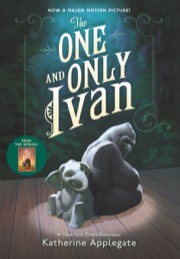
3. The One and Only Ivan by Katherine Applegate
Ages 8-11 | Composite Score: 65.3 | Best for: Kids awakening to animal rights
Ivan is a gorilla. For 27 years, he’s lived in a concrete enclosure in a shopping mall. He’s resigned to this life—until he meets Ruby, a baby elephant, and remembers what he’s lost: his forest, his freedom, his dignity.
The One and Only Ivan is harder than Charlotte’s Web—it asks children to grapple with complex emotions about captivity, exploitation, and what humans owe the animals in our care. Ivan’s voice is sardonic and wise; he’s not cuddly or childlike. He’s a thinking being trapped in circumstances he didn’t choose.
The book is based on a true story, which adds weight to every page. Real gorillas lived the way Ivan lived. Real elephants suffer as Ruby does. The book doesn’t hide from that reality; it uses Ivan’s perspective to help children understand why animal captivity is tragic.
Why Kids Love It:
- Ivan’s voice is genuinely funny and deeply sad simultaneously
- Ruby creates urgent stakes—the reader desperately wants her rescued
- The short chapters (in some editions) move quickly
- The ending is both hopeful and realistic
- Kids learn that animals have personalities, preferences, and inner lives
Animal Education Built In:
- Gorilla behavior and social structures
- Why captivity is harmful to wild animals
- What conservation and animal rights actually mean
- The distinction between animals in zoos and animals in captivity for entertainment
KidsBookCheck Rating Insight: Teachers rate this 10/10 for writing quality and emotional sophistication, but kids rate it lower (48). This gap tells you The One and Only Ivan isn’t a light read. It asks something of readers: to feel uncomfortable about how we treat animals. That’s powerful, but it requires readiness.
Emotional Sophistication Differentiator: Ivan’s acceptance-with-resignation about his circumstances is heartbreaking. When he begins to want more—freedom, dignity, his forest—it’s devastating. Applegate trusts children to handle complex emotions about injustice without being traumatized by them.
4. Wings of Fire: The Dragonet Prophecy by Tui T. Sutherland
Ages 7-10 | Composite Score: 71.2 | Best for: Kids hungry for adventure with animal protagonists
Five dragonets raised in a cave don’t know the world is at war. They emerge into a dragon war spanning continents, where prophecy says they’ll bring peace. What follows is an adventure epic with a found-family bond at its heart.
This book is pure escapism meets character-driven storytelling. The dragons are fantastical, but their relationships feel achingly real. Tsunami’s leadership anxiety, Sunny’s optimism, Glory’s sarcasm, Starflight’s knowledge-seeking, Clay’s loyalty—these are character arcs that make readers desperate to know what happens next.
Why Kids Love It:
- Dragons are objectively cool (K9 and K10 scores are strong)
- The five dragonets each appeal to different reader types
- Action sequences are genuinely exciting
- The worldbuilding is complex but accessible
- It’s the first of 15 books, so readers who love it have years of stories ahead
Animal Education Built In:
- Different dragon “tribes” (SkyWings, SeaWings, etc.) each have animal-realistic traits
- Predator-prey dynamics among dragon species
- How dragons navigate threats (fire, water, venom, etc.)
- Mythological animal behaviors reimagined through a fantasy lens
KidsBookCheck Rating Insight: Kids rate Wings of Fire quite highly (76), suggesting it delivers exactly what it promises—compelling adventure with animal protagonists. The character voices are distinct and quotable (K3: 9/10), making it a book kids talk about with their friends.
Adventure Pacing Differentiator: Unlike some animal books that meander, Wings of Fire maintains forward momentum. Each chapter ends with a hook. The action feels real—the dragonets are in genuine danger throughout. This makes it accessible to kids who might find quieter animal stories slow.
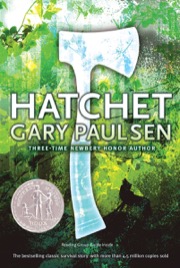
5. Hatchet by Gary Paulsen
Ages 10-13 | Composite Score: 66.2 | Best for: Older kids learning human-animal relationships
Brian Robeson survives a plane crash in the Canadian wilderness with only a hatchet. What unfolds is his relationship with the forest itself—the animals, the plants, the weather—as he learns to survive.
Hatchet is different from the other books on this list. It’s not primarily about animals; it’s about a human learning to read and respect the animal world. But Brian’s survival depends on understanding animal behavior: knowing when bears are dangerous, recognizing which animals he can hunt for food, reading the forest’s signs.
The book is contemplative in the way survival literature is—quiet, focused, internally driven. But it builds profound respect for wildlife and for nature’s power.
Why Kids Love It:
- It’s a genuine survival story that doesn’t sugar-coat hardship
- Brian’s emotional journey feels authentic
- The relationship between human and wild becomes intimate
- Older kids find it intellectually and emotionally challenging
- It works as both adventure and coming-of-age story
Animal Education Built In:
- Accurate representation of Canadian wilderness animals
- How to recognize dangerous animals (moose, bears) and understand their behavior
- Which animals are predators, which are prey
- How humans are part of ecosystems, not separate from them
- Hunting ethics and survival necessity (not romanticized)
KidsBookCheck Rating Insight: Kids rate this lower (58) than the other animal books, likely because it’s contemplative rather than action-driven, and because it deals with survival anxiety. But teachers rate it 5/5 for character development (T3), suggesting it’s a powerful coming-of-age story for readers ready for it.
Nature Respect Differentiator: Hatchet teaches that nature isn’t cute or cuddly; it’s powerful, sometimes dangerous, and demands respect. When Brian encounters a moose, it’s terrifying because Paulsen doesn’t minimize the risk. This teaches genuine wilderness literacy, not fantasy nature.
Comparison Table: Animal Books by Type & Age
| Book | Type | Ages | Reading Level | Adventure Level | Emotional Depth | Animal Facts |
|---|---|---|---|---|---|---|
| Charlotte’s Web | Realistic | 7-10 | Moderate | Low | High | High |
| Wild Robot | Fantasy | 7-10 | Moderate | Moderate | High | Moderate-High |
| One and Only Ivan | Contemporary Realistic | 8-11 | Moderate | Low | High | Moderate |
| Wings of Fire | Fantasy | 7-10 | Moderate-High | High | Moderate-High | Low-Moderate |
| Hatchet | Survival | 10-13 | Moderate-High | Moderate-High | High | High |
The KidsBookCheck Animal Rating Differentiators
When evaluating animal books, our system emphasizes:
Character Voice (K3/P3): How authentically do the animals “speak”? Are they cartoon animals, or do they reflect real animal behavior and intelligence?
Real-World Window (P6): Does the book teach genuine facts about animal behavior, ecology, or ecosystems? Are animals portrayed respectfully, or as simple props?
Emotional Sophistication (P5): Does the animal character have an interior life? Do children learn to see animals as beings with feelings, not just creatures?
New World Unlocked (K10): Does reading about these animal characters change how kids see real animals? Do they become more curious, more protective, more observant?
All five featured books score high on these differentiators, meaning they work both as entertainment and as tools for building genuine animal empathy.
How to Choose Based on What Your Child Loves
If they love farm animals:
- Charlotte’s Web is essential. It teaches that every creature on a farm has significance.
If they love wild animals:
- The Wild Robot (geese and island ecosystem) or Hatchet (wilderness survival) show wildlife authentically
- Follow with nature documentaries and field guides
If they love dramatic, powerful animals:
- The One and Only Ivan (gorillas) or Wings of Fire (dragons) satisfy this need
- Consider adding nonfiction about gorillas, elephants, or animal behavior
If they want adventure with animals:
- Wings of Fire is perfect—fast-paced fantasy adventure with found-family bonds
- Hatchet works for older kids who want gritty realism
If they’re developing animal empathy and ethics:
- The One and Only Ivan is a game-changer. It teaches animal rights without preaching.
- Charlotte’s Web teaches that every animal deserves respect
Frequently Asked Questions: Animal Books for Different Ages & Interests
Q: Is Charlotte’s Web too sad to start with younger kids?
A: Charlotte’s death is gentle, not graphic. If your child has experienced pet loss, it might help them process grief. If they haven’t, it’s their first literary encounter with mortality—which is valuable. Read it together so you can provide comfort and context.
Q: Will The One and Only Ivan depress my kid?
A: Possibly at first. But the book ends with hope and positive action. It teaches that captivity is wrong without making kids feel hopeless. Many kids read it and want to learn more about gorillas and animal conservation. It’s not depressing; it’s consciousness-raising.
Q: Is Wings of Fire appropriate for kids younger than 7?
A: Most readers need to be 7-8 for the reading level and emotional complexity. Strong 6-year-old readers might handle it with support. The action is intense but not gratuitously violent.
Q: Can I read Hatchet aloud to kids younger than 10?
A: Read it yourself first. The survival anxiety and the pilot’s death happen quickly. Some 8-9 year olds will love it; others will find it stressful. Age and temperament both matter here.
Q: Will reading The Wild Robot make kids want robots instead of real animals?
A: Actually, the opposite. Roz’s learning to appreciate wild animals’ authenticity teaches children that real animals are more fascinating than robots could ever be. It’s philosophy wrapped in narrative.
Q: What if my kid has specific animal interests (horses, dinosaurs, ocean creatures)?
A: These five books span different animals, but if your child is obsessed with a specific creature, look for books featuring that animal alongside these classics. The books here build general animal empathy; specific-animal books feed specific passions.
What Parents Tell Us: Kids Who Love Animals
From a parent whose daughter loved Charlotte’s Web: “She asked why we eat pigs if we love them. That question led to conversations about vegetarianism, ethics, and what we value. A children’s book opened her eyes to complexity.”
From a teacher using Wings of Fire with reluctant readers: “My boys who wouldn’t touch chapter books were obsessed. They were having heated debates about dragon strategy, asking to stay in during recess to keep reading. That series turned them into readers.”
From a parent of an animal-obsessed 9-year-old: “After The One and Only Ivan, my daughter started a petition at school to stop using animals in the circus. A book inspired activism. That’s powerful.”
From a boy who read Hatchet: “I looked at the forest behind my house differently after that book. I started noticing animal signs, understanding what I was seeing. It made nature feel less boring and more alive.”
Building an Animal Book Collection
Essential Classics (every animal-loving kid should read):
- Charlotte’s Web
- Wings of Fire series (start with book 1)
- One book featuring their specific animal interest
Growth Tier (as they mature):
- The Wild Robot
- Hatchet (at 10+)
- Animal autobiography or memoir (like My Friend Flicka)
Complementary Non-Fiction:
- Field guides specific to local wildlife
- Animal behavior documentaries
- Books about animal conservation
Extension Activities:
- Visit local nature centers or zoos (with critical eyes toward conservation)
- Read animal-focused picture books alongside chapter books
- Discuss differences between realistic and fantastical animal portrayal
Beyond Fiction: Real Animals After Reading
These books often inspire deeper engagement with real animals:
After Charlotte’s Web:
- Visit a working farm if possible
- Observe spiders in your yard (without killing them)
- Read simple non-fiction about spider anatomy
After The One and Only Ivan:
- Research gorilla conservation efforts
- Learn about sanctuaries vs. captivity
- Consider donations to wildlife organizations
After Wings of Fire:
- Read about the animals dragons are based on (snakes, birds, reptiles)
- Explore fantasy worldbuilding in general
- Draw or write about dragons
After The Wild Robot:
- Visit natural areas and observe wildlife behavior
- Learn about migrating animals (especially geese)
- Read picture books about specific animal species
After Hatchet:
- Learn wilderness survival basics through Scout programs or camps
- Study local wildlife and ecosystems
- Develop outdoor skills and nature literacy
Take the KidsBookCheck Animal Books Quiz
Not sure which animal book is right for your child? Take our animal books quiz and get personalized recommendations based on your child’s age, reading level, animal interests, and reading preferences.
FAQ: Using Animal Books in Classrooms
Q: Can I use these books to teach empathy?
A: Absolutely. Charlotte’s Web and The One and Only Ivan are explicitly designed to build empathy for animals. Discussion questions like “How does Charlotte feel?” and “Why does Ivan deserve freedom?” teach children to see animals’ perspectives.
Q: Do these books work for science curriculum?
A: Yes. Charlotte’s Web teaches actual spider biology. The Wild Robot covers migration and ecosystems. Hatchet teaches wilderness survival and animal behavior. Pair them with nature journals or field study.
Q: Can I use Hatchet with struggling readers?
A: The reading level is moderate-high, so it works better for grade 4-5+ readers at level. Strong 3rd graders might manage it with support. The emotional content requires maturity beyond just reading level.
Our Top Recommendation: Start Here
If you can pick only ONE book about animals to share with your child:
- Ages 5-8: Charlotte’s Web (read aloud)
- Ages 8-10: Charlotte’s Web (independent reading) or Wings of Fire (if they want adventure)
- Ages 10-13: The One and Only Ivan or Hatchet
Then branch out to the others based on what captures their heart.
Find These Books Now
All five are widely available through retailers:
- Charlotte’s Web by E.B. White
- The Wild Robot by Peter Brown
- The One and Only Ivan by Katherine Applegate
- Wings of Fire: The Dragonet Prophecy by Tui T. Sutherland
- Hatchet by Gary Paulsen
Internal Links
- Best Books About Friendship for Kids
- Best Realistic Fiction for Middle Schoolers
- Nature and Science Books That Inspire Wonder
- Character-Driven Adventures Kids Love
- Building Empathy Through Children’s Literature
Named Citation
Paulsen, Gary. “Hatchet.” Aladdin Paperbacks/Scholastic Inc., 1987. A modern classic of survival literature teaching wilderness respect and human resilience through intimate engagement with the natural world.
Image Suggestions
- Hero Image: Child reading surrounded by diverse animals (real and fantastical)
- Secondary Images:
- Charlotte’s web with light streaming through barn
- Roz the robot with animals on the island
- Ivan the gorilla
- Dragons from Wings of Fire
- Brian in the wilderness
- Farm animals in a pastoral setting
Linking Map
Content Relationships:
- Overlaps with friendship books (Charlotte’s Web, Wild Robot both have friendship elements)
- Connects to books teaching empathy (all of these do)
- Related to nature and science books
- Pairs with coming-of-age narratives (Hatchet)
- Shares character development focus with character-driven narratives
Expansion Opportunities:
- Nonfiction animal books
- Books about specific animals
- Environmental activism books for older kids
- Picture books about animals for younger siblings
Last updated: March 24, 2026 | KidsBookCheck Rating System Version 4.1