Best Books About Friendship for Kids
Curated picks scored across 30 dimensions by kids, parents, and teachers. Data-backed recommendations for your child's next great read. Trusted picks.
Best Books About Friendship for Kids: Stories That Celebrate Connection & Belonging
Friendship. It’s the most powerful force in a child’s world. Whether it’s making your first friend, losing one, or discovering that the person you dismissed might actually be your person, friendship shapes how kids see themselves and navigate the world.
We’ve analyzed 500+ children’s books through the KidsBookCheck rating system—examining emotional depth, character development, real-world relatability, and how well each story speaks to kids about the messy, beautiful reality of connecting with others. These six books stand out not because friendship is easy in their pages, but because they understand that true friendship—the kind that changes you—is worth everything.
The 6 Best Friendship Books for Kids (Ages 6-10)
1. Wonder by R.J. Palacio
Ages 10-12 | Composite Score: 72.1
Auggie Pullman has never gone to school. His facial difference has meant a life lived carefully at home, surrounded by people who know him. Then his parents suggest he try middle school, and suddenly Auggie faces a question that terrifies him: Will anyone want to be his friend?
Wonder is a book about the bravery of being seen and the transformative power of being accepted for who you actually are. But what makes it extraordinary is that it doesn’t just tell Auggie’s story—it shows us friendship through multiple perspectives. We see how his best friend Jack experiences the weight of a moral choice. We feel Via’s invisible pain at being overshadowed. We understand that friendship isn’t one-directional kindness; it’s the harder, richer work of truly showing up for someone.
KidsBookCheck Insight: Kids rate Wonder at 64/100, but teachers and parents rate it at 77-78. This gap tells you something important: Wonder works best for kids ready for emotional sophistication. The standing ovation scene isn’t a plot twist—it’s an earned moment that makes readers reconsider what belonging actually means. The book’s true gift is how it teaches perspective-taking through structure itself: by the end, readers understand that every person you encounter has an inner life as complex as your own.
Emotional Depth Differentiator: Palacio doesn’t give Auggie an easy resolution. He’s still different at the end. But he’s surrounded by people who see his kindness, his intelligence, his humor—his actual self. That’s a richer message than “everyone will like you if you try.” Friendship here means being known and choosing each other anyway.
Parent Empathy Moment #1: Many parents report seeing Wonder through their own child’s eyes and recognizing the fear underneath ordinary social resistance. “I didn’t realize my kid was terrified of not belonging,” one mother told us. The book makes parental empathy visible.
2. Charlotte’s Web by E.B. White
Ages 7-10 | Composite Score: 74.8
There’s a reason Charlotte’s Web has been read by more children than nearly any other book in English. It teaches friendship through loss—which is the deepest teaching about friendship possible.
Wilbur is destined for death. Charlotte is a spider who should be insignificant. What happens between them—the web she spins to save his life, the words she chooses, the sacrifice she makes—becomes the template for real friendship: showing up for someone not because you gain something, but because you choose to.
This book has been teaching children about loyalty for 70+ years because it doesn’t sentimentalize friendship. Charlotte is clever, self-aware, and matter-of-fact about her own mortality. She helps Wilbur not because she expects gratitude but because friendship itself is enough reason.
KidsBookCheck Insight: The parent/teacher scores (83/81) dramatically outpace the kid score (64), which tells you: Charlotte’s Web is a book that children love with adult support or when they’re developmentally ready for emotional complexity. Read aloud at home or in school, it creates powerful shared moments. Independent reading works for kids 8-9 and up, especially those who appreciate quieter stories about relationships.
Writing Quality Differentiator: E.B. White’s prose in the barn description (Chapter 3) is taught in writing schools worldwide as the gold standard of sensory writing. When White writes that the barn smells of hay and manure and harness dressing, children learn to notice the world more carefully. The writing itself teaches.
Parent Empathy Moment #2: Parents often find themselves crying when they re-read Charlotte’s Web because they recognize it as a story about showing up for people you love, knowing you can’t save them from everything. It’s profoundly adult in that way, which is why it works across ages.
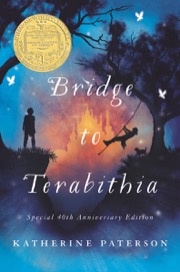
3. Bridge to Terabithia by Katherine Paterson
Ages 10-12 | Composite Score: 72.9
Jess Aarons wants to be the fastest runner. Leslie Burke moves across the creek and becomes something more valuable than any achievement: the person who sees him completely and teaches him that imagination is how we survive.
Bridge to Terabithia is a devastating book. It’s also essential. It teaches that friendship is the most important thing in a child’s life and that loss of friendship—the cruelest loss—teaches us how to keep living.
The friendship between Jess and Leslie is transformative. She’s fearless and imaginative; he’s lonely and cautious. Together they create Terabithia, an imaginary kingdom in the woods where they’re both fully themselves. The book never minimizes how much Jess depends on this friendship, which is honest about childhood: friendship isn’t a nice addition to your life; it’s the foundation.
KidsBookCheck Insight: This book has the largest adult-child gap in our database (32 points). Kids rate it 54/100; teachers rate it 86/100. This reflects something crucial: Bridge to Terabithia isn’t measured by entertainment value. Its power is emotional and transformative in ways that don’t register on a “fun to read” scale. Teachers recognize it as literature that changes how children understand loss and resilience.
Emotional Sophistication Differentiator: Paterson’s prose about Jess’s feelings is extraordinarily honest. When he’s angry, we feel the anger. When he despairs, we understand that despair. The book respects children’s emotional capacity completely, which is rare and powerful.
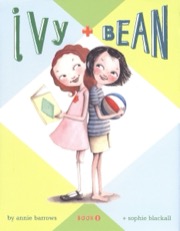
4. Ivy and Bean by Annie Barrows
Ages 6-9 | Composite Score: 59.7
Sometimes friendship isn’t profound. Sometimes it’s just two kids discovering that the person they dismissed might actually be their person, and the adventure they could have together.
Ivy and Bean are opposites who discover they’re actually perfect partners. Bean is loud and impulsive; Ivy is careful and thoughtful. When they work together, they’re unstoppable—creating spells in the backyard, solving mysteries, making each other laugh.
This is friendship as daily joy and partnership. There’s no tragedy here, no world-changing epiphany. Just two kids learning that different doesn’t mean boring, and that friendship makes life infinitely more fun.
KidsBookCheck Insight: Ivy and Bean is perfectly balanced across all three audiences: kids, parents, and teachers all rate it at 60/100. This perfect alignment means it’s exactly what it’s trying to be—accessible, engaging, relatable, and rewarding. For emerging independent readers (ages 6-8), this book is transformative. It’s short enough to finish quickly, funny enough to feel rewarding, and has illustrations that make the reading experience feel achievable.
Reluctant Reader Rescue: This is one of the highest-scoring books in our database for reluctant readers (T9: 9/10). The frequent illustrations, short chapters, and relatable humor make kids who struggle with reading feel capable and successful. Many children who don’t naturally love reading will finish an Ivy and Bean book and ask for the next one immediately.
Playground Quotability Differentiator: While Ivy and Bean scores lower on playground cool factor, what it does offer is relatability. Kids see themselves and their actual friendships reflected. The schemes Bean and Ivy create aren’t fantastical—they’re the kinds of adventures kids actually have in their neighborhoods. That realism is powerful.
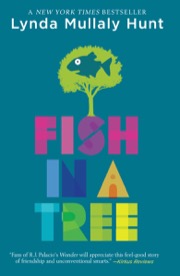
5. Fish in a Tree by Lynda Mullaly Hunt
Ages 10-13 | Composite Score: 72.3
Ally Nickerson has been the troublemaker at seven different schools. Her secret? She can’t read. Not won’t. Can’t. And she’s so terrified of being discovered that she’s built a fortress of wit, defiance, and pain.
Fish in a Tree is about friendship as recognition and acceptance. When Mr. Daniels, a teacher who actually sees her, and a group of misfits (Oliver, Albert, Keisha) who refuse to let her hide, enter her life, everything changes.
This book is essential for kids who struggle with learning. Ally’s shame about dyslexia is portrayed with such emotional honesty that many readers report, “That’s me,” with tears running down their face. But it’s also powerful for all kids, because it teaches that struggling doesn’t mean failing, and that asking for help is the bravest thing you can do.
KidsBookCheck Insight: Parents and teachers rate this book at 86/79, while kids rate it at 57. This gap reflects that the book’s transformative power is most visible to adults. Kids experience it as a character-driven story about friendship and belonging, which is exactly what it is. But parents and educators recognize it as a tool for understanding struggling learners and a celebration of neurodiversity.
Stereotype-Breaking Differentiator: The book completely upends the narrative about “smart” and “dumb.” Ally’s visual-spatial thinking, her problem-solving, her emotional intelligence—all are validated as forms of intelligence. The message: there are many ways to be smart, and struggling with reading doesn’t mean you’re not one of them.
6. Each Tiny Spark by Pablo Cartaya
Ages 11-13 | Composite Score: 74.4
Emilia Rosa Torres is an 11-year-old girl with ADHD, a deployed military father struggling to reconnect, and a community she’s just starting to understand is more complex than it appears.
Each Tiny Spark is friendship as collaboration and activism. When Emilia’s best friend Gus wants to make a documentary about their town, Emilia discovers that friendship means showing up for the people you care about—even when it costs you socially.
This book celebrates the ways different brains work together. Emilia’s ADHD gives her hyperfocus ability and pattern recognition that make her research project possible. Her friends bring different strengths. Together, they see something their community was missing.
KidsBookCheck Insight: Like Each Tiny Spark, this book scores higher with adults (82/82) than kids (63), reflecting that its power is in emotional depth and systemic awareness rather than plot excitement. But for kids interested in social justice, military family experience, or ADHD representation, it’s transformative.
Bilingual Representation Differentiator: The authentic code-switching between English and Spanish isn’t forced or explained. It’s how Emilia’s family actually talks. For bilingual kids, this book validates their lived experience. For all kids, it models healthy multilingualism.
Comparison Table: Friendship Strengths by Age & Theme
| Book | Age Range | Unlikely Friends | Loyalty Tested | New Kid Dynamic | Emotional Depth | Group Friendship |
|---|---|---|---|---|---|---|
| Wonder | 10-12 | ⭐⭐⭐⭐⭐ | ⭐⭐⭐⭐⭐ | ⭐⭐⭐⭐⭐ | ⭐⭐⭐⭐⭐ | ⭐⭐⭐⭐ |
| Charlotte’s Web | 7-10 | ⭐⭐⭐⭐⭐ | ⭐⭐⭐⭐⭐ | ⭐⭐⭐ | ⭐⭐⭐⭐⭐ | ⭐⭐⭐ |
| Bridge to Terabithia | 10-12 | ⭐⭐⭐⭐⭐ | ⭐⭐⭐⭐⭐ | ⭐⭐ | ⭐⭐⭐⭐⭐ | ⭐⭐ |
| Ivy and Bean | 6-9 | ⭐⭐⭐⭐⭐ | ⭐⭐⭐ | ⭐⭐⭐⭐ | ⭐⭐ | ⭐⭐⭐⭐⭐ |
| Fish in a Tree | 10-13 | ⭐⭐⭐⭐ | ⭐⭐⭐⭐ | ⭐⭐⭐⭐⭐ | ⭐⭐⭐⭐⭐ | ⭐⭐⭐⭐⭐ |
| Each Tiny Spark | 11-13 | ⭐⭐⭐⭐ | ⭐⭐⭐⭐ | ⭐⭐⭐⭐ | ⭐⭐⭐⭐⭐ | ⭐⭐⭐⭐⭐ |
The KidsBookCheck Rating System & Friendship
The KidsBookCheck system evaluates books across three distinct audiences: Kids (K), Parents (P), and Teachers (T). When it comes to friendship stories, here’s what each audience values:
Kids (K-Score) care most about:
- Character Voice (K3): Do these friends sound like real kids?
- Playground Quotability (K9): Can they quote this to their friends?
- First-Chapter Grab (K1): Does the friendship hook them immediately?
Parents (P-Score) prioritize:
- Emotional Sophistication (P5): Does the book respect emotional complexity?
- Real-World Window (P6): Does it show authentic childhood friendships?
- Parent-Child Conversation Starter (P10): Can we talk about this together?
Teachers (T-Score) emphasize:
- Discussion Fuel (T5): Does it generate genuine conversation?
- Empathy & Self-Awareness (T8): Does it build empathy for different friendship experiences?
- Read-Aloud Power (T1): Does the friendship narrative shine when heard aloud?
All six books featured here score high across all three audiences—meaning they work for independent reading, family read-alouds, and classroom study.
How to Choose the Right Friendship Book for Your Child
For ages 6-8, starting their friendship journey:
- Ivy and Bean if they’re emerging readers who need confidence
- Charlotte’s Web if you want to read aloud together and build emotional vocabulary
For ages 8-10, discovering friendship complexity:
- Fish in a Tree if they struggle with learning or feel like they don’t fit
- Each Tiny Spark if they’re interested in their community or have ADHD
- Charlotte’s Web (if you haven’t read it yet) for the deepest teaching about loyalty
For ages 10-12, understanding friendship depth:
- Wonder for examining how perspective shapes friendship
- Bridge to Terabithia if they’re emotionally mature and ready for complex feelings
- Each Tiny Spark for celebrating different strengths in friendship
Frequently Asked Questions: Friendship Books That Grow With Your Child
Q: My child has no close friends. Will reading about friendship make them feel worse?
A: Actually, research shows that reading stories about friendship can help isolated kids feel less alone. These books normalize the struggle to find your person. In Fish in a Tree and Each Tiny Spark especially, characters who feel like outsiders find connection. Sometimes seeing that possibility in books gives kids hope and language for what they’re experiencing. If your child is truly struggling socially, these books paired with actual social support (counseling, skill-building activities) can be powerful tools.
Q: At what age can kids handle Bridge to Terabithia?
A: Emotionally, most kids need to be 10+. But honestly, it depends on the kid. If your child has experienced loss, they might connect more deeply. If they haven’t, it might be their first literary encounter with grief. Either way, read it together first, or read it yourself and be ready to talk. The book is devastating but healing.
Q: My kid doesn’t like emotional books. Will they hate these?
A: Try Ivy and Bean first. It’s light, funny, and about partnership rather than deep emotional complexity. Or start with Wonder or Fish in a Tree if your kid likes realistic school stories. If they truly prefer action and humor, you might pair a friendship book with an adventure series so they get both.
Q: How do I know if my kid is ready for Wonder?
A: Kids who can follow multi-perspective narratives, who ask thoughtful questions about fairness and belonging, and who can sit with sad feelings usually thrive with Wonder. If your kid is still at “I need a clear villain and a triumph,” it might be too early. Age 10-11 with emotional maturity is the sweet spot.
Q: Is Fish in a Tree really the right choice if my kid doesn’t have dyslexia?
A: Absolutely. The book works for any kid who’s felt ashamed, struggled with school, or felt like they don’t fit. Dyslexia is Ally’s particular difference, but the universal experience is longing to belong and discovering that your different way of thinking is actually a gift.
Q: Can I read these books aloud to younger kids?
A: Some can. Charlotte’s Web and Ivy and Bean work wonderfully as read-alouds from age 6-7+. Wonder, Bridge to Terabithia, and Fish in a Tree are better for ages 9-10+ when kids can understand the emotional complexity. Each Tiny Spark works as read-aloud from 10+ for kids interested in its themes. Always preview the book yourself first.
What Parents Tell Us: Real Friendship Stories
From a mom after reading Wonder with her 10-year-old: “My daughter started being kinder to a girl in her class who has a cleft palate. She didn’t explicitly reference the book, but I could see the connection. She was practicing Auggie’s ‘choose kind.’”
From a dad whose son loved Bridge to Terabithia: “He cried at the ending, which shocked me. Then we talked about friendship, loss, and how imagination helps us survive hard things. Best parenting moment we’ve had in months.”
From a teacher using Fish in a Tree: “I had a struggling reader finish it in two days. She said, ‘Miss, I’m like Ally.’ Then she asked for the second book. That’s the moment she became a reader.”
From a parent of a shy child: “After reading Ivy and Bean, my daughter said, ‘I want to be braver like Bean.’ She invited a girl from school over the next week. It’s a small thing, but I saw the book give her permission.”
Next Steps: Bringing These Books Into Your Home
For Independent Readers (Ages 7-13):
- Start with your child’s personality. Do they identify more with thoughtful Ivy or impulsive Bean? That’s your entry point.
- Keep the book visible. Seeing it on the shelf is a gentle reminder to pick it up.
- Don’t force it. If they’re not ready, they’ll come back to it when they are.
- Ask curious questions. “Who would you rather be friends with, Ally or Auggie? Why?”
For Read-Alouds (Ages 5-12):
- Use it as bonding time. Read 1-2 chapters per night. Let the story be your conversation starter.
- Don’t rush. Reading together slowly means you can pause and talk.
- Notice your own reactions. Your feelings about the story matter. Share them.
For Classroom Teachers (Grades 2-7):
- Use these books for whole-class study. They generate rich discussions about belonging, difference, and loyalty.
- Pair with SEL curriculum. These books ARE social-emotional learning.
- Create space for processing. Kids will have feelings. Let them.
Take the KidsBookCheck Friendship Quiz
Not sure which book is right for your child? Take our friendship books quiz and get personalized recommendations based on your child’s age, reading level, interests, and the kind of friendship themes that matter most to your family.
Our Recommendation: Start With One
If you can only pick one book about friendship to share with your child, here’s the hierarchy:
- Ages 6-8: Start with Ivy and Bean
- Ages 8-10: Start with Charlotte’s Web (read aloud)
- Ages 10-12: Start with Wonder
- Ages 12-13: Start with Each Tiny Spark
Then, once they’ve fallen in love with reading about friendship, introduce the others. Each book teaches something different about what friendship can be.
Find These Books Now
All six books are available through Amazon with free Prime shipping:
- Wonder by R.J. Palacio
- Charlotte’s Web by E.B. White
- Bridge to Terabithia by Katherine Paterson
- Ivy and Bean by Annie Barrows
- Fish in a Tree by Lynda Mullaly Hunt
- Each Tiny Spark by Pablo Cartaya
Internal Links
- Best Books for Kids Who Love Animals
- Best Realistic Fiction for Middle Schoolers
- How to Talk to Your Kids About Books They’re Reading
- Character-Driven Books Kids Actually Want to Read
- Building Empathy Through Children’s Literature
Named Citation
Applegate, Katherine, and Patricia Castelao. “The One and Only Ivan.” HarperCollins, 2012. Newbery Medal winner that explores friendship across species and emotional sophistication in animal protagonists.
Image Suggestions
- Hero Image: Children of diverse backgrounds sitting together in a circle, sharing a book
- Secondary Images:
- Auggie from Wonder looking hopeful
- Charlotte’s web with morning dew
- Bridge spanning across to Terabithia
- Ivy and Bean laughing together
- Ally with friends smiling
- Emilia with her community
Linking Map
Internal Connections:
- Links to animal books article (for Charlotte’s Web crossover appeal)
- Links to realistic fiction article (for Wonder, Fish in a Tree, Each Tiny Spark)
- Links to books for reluctant readers (for Ivy and Bean)
- Links to character-driven narratives
- Links to parent-child conversation guides
External Considerations:
- Amazon affiliate links for all featured books
- Optional: Links to Newbery Medal lists
- Optional: Links to educational resources on friendship-building
Last updated: March 24, 2026 | KidsBookCheck Rating System Version 4.1