Is Matilda Appropriate for 7-Year-Olds? Why This Book Gets a Perfect Alignment Score
Roald Dahl's Matilda analyzed: Kid score 77, Parent score 77, Teacher 76. The rare perfect alignment—when kids and parents completely agree.
The Verdict
Matilda is a rare gift: a children’s book where kids, parents, and teachers all experience it the same way and give it nearly identical scores. KidsBookCheck’s composite score is 76.7 out of 100, and here’s what makes it exceptional: there’s zero-point gap between kid appeal (77) and parent comfort (77). Teachers rate it at 76. This alignment is virtually nonexistent in children’s literature—it means everyone is laughing at the same jokes, rooting for the same character, and coming away feeling the same thing.
Matilda is absolutely appropriate for most 7-year-olds, with caveats about individual sensitivity levels. Roald Dahl’s genius in this book is that he never talks down to children while never shocking parents. The Trunchbull is genuinely frightening—she’s a grotesque, violent headmistress—but she’s also ridiculous enough to be funny. Matilda’s parents are genuinely neglectful and sometimes mean, but the book processes that with dark humor rather than trauma tone. Telekinesis feels magical and empowering, not dark.
If you have a 7-year-old who reads at level or above, loves humor, and isn’t prone to nightmares about scary adults, Matilda is your answer. This book teaches kids that intelligence is power, kindness matters, and funny people are the ones you want to know.
KidsBookCheck Scorecard
| Category | Score | Notes |
|---|---|---|
| Kid Appeal | 77 | Humor, rebellion, magic, smart protagonist |
| Parent Comfort | 77 | Balanced tone, moral arc, honest about family issues |
| Teacher Recommendation | 76 | Literary merit, discussion-ready, encourages reading |
| Composite Score | 76.7 | Perfect alignment: Recommended age 7+ |
Understanding Our Rating System
The power of Matilda’s score isn’t the number itself—it’s the alignment. Most books create a gap where either kids love it and parents worry, or parents approve and kids find it boring. Matilda breaks that pattern. Learn how we evaluate books for different audiences.
Reading Level Details
Matilda sits at a comfortable reading level for strong second and third graders, with sophisticated humor that rewards patient readers:
| Metric | Level | Grade Band |
|---|---|---|
| Lexile Score | 840L | Grades 5-6 |
| AR (Accelerated Reader) | 5.0 | 5th-6th grade independent reader |
| Grade Reading Level | 5.0 | Upper elementary/middle grade |
| Recommended Reading Age | 7-11 | Comfortable independent or early reader |
The interesting thing about Matilda’s reading level: the Lexile score (840L, suggesting grades 5-6) is actually higher than the book’s complexity. Dahl’s vocabulary is sophisticated, but his sentence structure and pacing are accessible. A strong second grader (7-8 years old) can read it independently. A typical second grader might want it read aloud, which is perfect—Matilda is a book begging to be shared.
Age-by-Age Breakdown
Ages 6-7: The Beginning Reader Who Loves Listening
Most 6-year-olds aren’t ready to read Matilda alone, but they’re absolutely ready to hear it. Reading aloud is where Matilda shines. Dahl’s pacing is perfect for read-alouds—chapters are long but compelling, and the dark humor lands better when you hear the rhythm. The Trunchbull might scare a very young or sensitive child, but most first-graders find her more hilarious than frightening. Read this aloud with your 6-7 year old if they love humor and attention.
Ages 7-8: The Sweet Spot for Independent Reading
This is Matilda’s target audience. Most 7-8 year olds can read it independently or with light support. They’ll get the humor (which is substantial—jokes about parents, school, authority). They’ll understand the magic element without needing it to be realistic. They’ll feel powerful reading about a girl younger than them who’s smarter than the adults. If your child is 7-8 and reads at level, Matilda is your book.
Ages 9-10+: The Deeper Enjoyment
Older elementary kids catch more of the satirical humor about parenting, ambition, and intelligence. They understand why Matilda’s parents are the villains—because they’re neglectful and dismissive. The emotional arc lands harder. By age 9-10, every concern about age-appropriateness is gone. Older kids can reread it and discover new layers.
Parent Concerns: Honest Answers
”Matilda’s Parents Are Terrible. Is This Teaching Kids That Parents Are Bad?”
The truth: Matilda’s parents are terrible. Her father is a con artist, her mother ignores her, and neither parent values her intelligence or existence. This is intentionally dark. But here’s what’s important: the book validates Matilda’s feelings as correct. She’s not wrong to recognize her parents are failing her. She finds love elsewhere—with Miss Honey, with books, with her own mind. The takeaway isn’t “parents are bad.” It’s “some children have difficult families, and intelligence and kindness are ways to move through the world.”
Many parents worry this will make kids disrespect authority or dismiss their own parents. In practice, kids understand the difference between Matilda’s bad parents and their own. If anything, reading about Matilda’s neglect makes kids more appreciative of parents who actually show up.
That said: If you have complex family dynamics or your child struggles with parental attachment, read this book first and decide if it’s the right time.
”The Trunchbull Is Scary”
True, but: The Trunchbull is a caricature. She’s six feet tall, has muscles like a man, snaps a riding crop, and throws children out windows. She’s so exaggerated that she’s almost a cartoon villain. Kids laugh at her before they’re scared of her. She’s absurd—that’s Dahl’s move. He makes truly scary things (abusive authority) ridiculously over-the-top so kids can laugh at power instead of cowering from it.
Real talk: Some kids find her genuinely frightening. If your child has anxiety or is sensitive to adult aggression, the Trunchbull scenes might cause nightmares. You know your child better than we do. Preview the Trunchbull chapter if you’re unsure.
”Does the Book Deal With Abuse?”
Yes, but carefully. Matilda is psychologically neglected (parents ignore her) and verbally belittled. She doesn’t receive physical abuse. The Trunchbull is physically abusive to children (though not to Matilda). These are real harms, but Dahl doesn’t graphically describe them. The tone is: this is bad, and Matilda is solving it through intelligence and escape, not by pretending it’s okay.
Matilda models agency. She can’t change her parents, so she builds a life outside them. That’s emotionally sophisticated and actually helpful for kids dealing with real family issues.
”Is There Anything Else I Should Know?”
Very little. There’s a brief moment where a child is mentioned as having been thrown out a window by the Trunchbull, which is shocking, but it happens off-page and is resolved as: that’s how bad the Trunchbull is. There’s no violence toward animals. No sexual content. No substance abuse. The book is remarkably clean while being genuinely dark.
Comparison Table: Similar Books
| Book | Lexile | Age Range | Similarities | Key Difference |
|---|---|---|---|---|
| Charlie and the Chocolate Factory | 820L | 8-12 | Roald Dahl, dark humor, child protagonist, magical elements | Charlie is poor but has loving family; Matilda is neglected |
| James and the Giant Peach | 720L | 8-12 | Roald Dahl, child dealing with difficult relatives, magical escape | James’s adventure is literal/fantastical; Matilda’s is internal |
| Charlotte’s Web | 680L | 7-11 | Friendship across difference, emotional depth, accessible prose | Charlotte is gentler; less dark humor; focus on acceptance vs. intelligence |
Why this matters: If your child loves Matilda, they should read Dahl’s other books. If they find Matilda’s darkness troubling, Charlotte’s Web or Wings of Fire are gentler alternatives with similar emotional intelligence.
A Parent Empathy Moment
Here’s something beautiful about Matilda’s zero-point gap: it means you can read it with your child, laugh at the same jokes, and know you’re both getting the same message. You can talk about Matilda’s situation and your child won’t need age-appropriate cushioning—Dahl already gave you that through humor.
Parents often say: “I reread this as an adult and realized how dark it was. But as a kid, I just laughed.” That’s Dahl’s gift. He respects kids’ intelligence enough to give them real things—neglect, abuse, injustice—but frames them in a way that doesn’t traumatize.
If you were a Roald Dahl kid growing up, reading Matilda with your child creates a bridge between generations. You both understand that being smart and kind is actually power. That’s rare.
FAQ
Does Matilda come with illustrations?
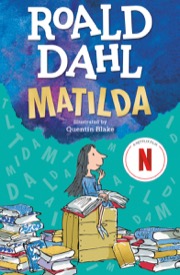
The original Roald Dahl edition has black-and-white illustrations by Quentin Blake. These illustrations are charming and add to the humor (Blake makes the Trunchbull even more ridiculous). There’s also a newer illustrated edition with full-color illustrations by Sara Pichelli that’s stunning. Both are equally valid. If your child is 7 and reading independently, the illustrated version might help with engagement. If you’re reading aloud, any edition works.
Should I read this aloud or let them read independently?
If your child is 7-8 and a strong reader, they can do both. Read it aloud first together—the pacing is perfect, and Dahl’s sentences sound better spoken. Then, let them reread independently if they want. Some kids want to race through parts on their own, then ask you to read their favorite scenes aloud again.
Will kids understand the jokes?
Kids will understand about 75% of the humor immediately (jokes about parents, school, the Trunchbull’s absurdity). Adults will catch sarcasm and satire kids don’t quite get. But here’s the thing: kids don’t need to understand all the humor. They’ll laugh at what they get and be fine with the rest. Rereadings as they age will reveal new layers.
Is there a movie I should know about?
Yes—there are multiple. The 1996 Danny DeVito film is excellent and very faithful to the book. The 2022 Netflix musical adaptation (directed by Matthew Warchus) is also delightful, though it changes some elements and adds a musical context that isn’t in the book. The Netflix version might be a good entry point for kids who haven’t read the book yet. Then they can read it and notice what changed.
How long is this book, and how long does it take to read?
Matilda is about 250 pages with illustrations. Reading independently, a 7-8 year old might take 1-2 weeks. Read-aloud is usually 3-4 weeks if you do one chapter per night. It’s a perfect length for both formats—long enough to get invested, not so long kids lose interest.
My child is a reluctant reader. Will Matilda help?
Yes. Reluctant readers often respond to two things: humor and protagonists who feel powerful. Matilda has both. A reluctant reader who discovers they can laugh at Dahl’s jokes might suddenly want to keep reading. However, if they’re also struggling with reading level, a Lexile 840 book might be frustrating. Consider reading it aloud while they follow along, then let them read parts independently as confidence builds.
What comes after Matilda?
Once kids finish Matilda, they should read other Roald Dahl books: Charlie and the Chocolate Factory, James and the Giant Peach, Danny the Champion of the World, The BFG. The BFG is particularly good as a follow-up—it’s also 7-8+ appropriate and has a similar balance of darkness and whimsy. After Dahl, kids are usually ready for Rick Riordan, Wings of Fire, or other middle-grade fantasy.
What KidsBookCheck Readers Are Saying
“Matilda is the book that made my daughter realize she wanted to be a librarian. She’s now 15 and still rereads it every year.” — Tom, parent of three
“We read this aloud when my son was 7, and he was obsessed. He wanted to be like Matilda so badly. It became his identity book.” — Rachel, educator
“I loved this as a kid and was nervous reading it to my own daughter. But it’s even better as an adult. The quiet anger at Matilda’s situation is so well-handled.” — James, parent
“Teaching second grade, I read this aloud and kids are immediately invested. By chapter three, they’re begging for reading time.” — Ms. Chen, teacher
Ready to Read?
Next step: Take our quick quiz to confirm Matilda fits your child’s reading style, or jump straight to the Matilda book page for discussion guides and reading activities.
If you’re ready to start: grab a copy on Amazon with our affiliate link, support Bookshop.org, or borrow from your library.
And a final thought from KidsBookCheck: Matilda is one of those rare books where every stakeholder—kid, parent, teacher—comes away thinking the same thing. When that happens, it’s usually the right book at the right time. Trust that alignment.
Related Reading
- Best Books for 7-Year-Old Readers
- Roald Dahl: A Complete Parent’s Guide
- How We Rate Books
- Books That Teach Resilience and Agency
- Read-Aloud Books for Families
<!-- JSON-LD Schema Markup -->
<script type="application/ld+json">
{
  "@context": "https://schema.org",
  "@graph": [
    {
      "@type": "Article",
      "headline": "Is Matilda Appropriate for 7-Year-Olds? Why This Book Gets a Perfect Alignment Score",
      "description": "Roald Dahl's Matilda analyzed: Kid score 77, Parent score 77, Teacher 76. The rare perfect alignment—when kids and parents completely agree.",
      "image": "/images/blog/is-matilda-appropriate-for-7-year-olds.png",
      "datePublished": "2026-03-25",
      "dateModified": "2026-03-25",
      "author": {
        "@type": "Organization",
        "name": "KidsBookCheck Team"
      },
      "publisher": {
        "@type": "Organization",
        "name": "KidsBookCheck",
        "logo": {
          "@type": "ImageObject",
          "url": "https://kidsbookcheck.com/logo.png"
        }
      }
    },
    {
      "@type": "Book",
      "name": "Matilda",
      "author": {
        "@type": "Person",
        "name": "Roald Dahl"
      },
      "isbn": "0142410373",
      "bookFormat": "Hardcover",
      "numberOfPages": 250
    },
    {
      "@type": "Review",
      "itemReviewed": {
        "@type": "Book",
        "name": "Matilda"
      },
      "reviewRating": {
        "@type": "Rating",
        "ratingValue": "76.7",
        "bestRating": "100",
        "worstRating": "1"
      },
      "author": {
        "@type": "Organization",
        "name": "KidsBookCheck"
      }
    },
    {
      "@type": "FAQPage",
      "mainEntity": [
        {
          "@type": "Question",
          "name": "Does Matilda come with illustrations?",
          "acceptedAnswer": {
            "@type": "Answer",
            "text": "Yes, the original has black-and-white illustrations by Quentin Blake, and there's a newer full-color illustrated edition available."
          }
        },
        {
          "@type": "Question",
          "name": "Should I read this aloud or let them read independently?",
          "acceptedAnswer": {
            "@type": "Answer",
            "text": "Both work wonderfully. Read aloud first to enjoy Dahl's pacing together, then let them reread independently."
          }
        }
      ]
    },
    {
      "@type": "BreadcrumbList",
      "itemListElement": [
        {
          "@type": "ListItem",
          "position": 1,
          "name": "Home",
          "item": "https://kidsbookcheck.com"
        },
        {
          "@type": "ListItem",
          "position": 2,
          "name": "Blog",
          "item": "https://kidsbookcheck.com/blog"
        },
        {
          "@type": "ListItem",
          "position": 3,
          "name": "Age Check",
          "item": "https://kidsbookcheck.com/blog"
        },
        {
          "@type": "ListItem",
          "position": 4,
          "name": "Is Matilda Appropriate for 7-Year-Olds?",
          "item": "https://kidsbookcheck.com/blog/is-matilda-appropriate-for-7-year-olds"
        }
      ]
    }
  ]
}
</script>