Books Like Diary of a Wimpy Kid: 8 Series for Kids Who Love Illustrated Humor
Discover 8 illustrated humor series for kids who devoured Diary of a Wimpy Kid. KidsBookCheck scores show which alternatives actually deliver.
Your Kid Is Obsessed With Greg Hefley. What’s Next?
If your child has read every single page of Diary of a Wimpy Kid—probably multiple times—they’ve discovered something magical: illustrated humor that speaks directly to how their brain works. The stick-figure drawings, the awkward protagonist, the hilarious margin notes, the brutal honesty about middle school survival. It’s a perfect storm of relatability and laugh-out-loud moments.
The good news? The world of illustrated chapter books is full of series that capture that same magic, each with its own unique flavor. Whether your child wants a female lead, a sillier tone, or an action-packed adventure wrapped in humor, KidsBookCheck has found the perfect alternatives.
Let’s explore eight fantastic series that kids who love Diary of a Wimpy Kid genuinely adore.
1. Dork Diaries: The Female Perspective on Middle School Chaos
KidsBookCheck Score: 64.5/100 (Kid: 75, Parent: 54)
If your daughter read Wimpy Kid and thought “this is great, but where’s MY story?” then Dork Diaries is the answer. Created by Rachel Renée Russell, this series follows Nikki Maxwell, a girl navigating the exact same middle school minefield as Greg—but from a completely different angle.
Why fans of Wimpy Kid love it: The illustrated format is nearly identical, with sketches, doodles, and Nikki’s personal art sprinkled throughout. The diary structure lets you get inside her head the same way Greg’s journal does. And the core experience—trying not to be social roadkill—is genuinely universal.
How it’s different: Nikki actually wants to be liked, which creates a different kind of humor. While Greg accepts his loser status with grim resignation, Nikki is earnestly trying (and failing) to fit in. The tone is slightly sweeter, with more emphasis on friendship and loyalty. Plus, the art is more colorful and elaborate—some kids find Nikki’s doodles even more engaging than Greg’s minimalist approach.
Best age: 8-13, particularly for kids who want representation in their humor.
Read more about Dork Diaries on Amazon
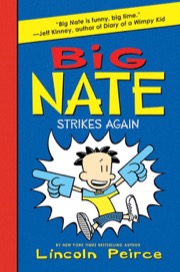
2. Big Nate: The Confident Troublemaker
KidsBookCheck Score: 70.4/100 (Kid: 76, Parent: 64)
Big Nate Wright is Greg Hefley’s spiritual cousin—mischievous, convinced he’s amazing despite evidence to the contrary, and completely unaware of his own social awkwardness. But where Greg is resigned to his fate, Nate is obliviously confident.
Why fans of Wimpy Kid love it: The format is virtually identical: illustrated chapter books with sketches and humor on every page. The school setting, the group of quirky friends, the teachers who drive you crazy—it’s all there. And the humor lands the same way: you’re laughing at situations you recognize from your own life.
How it’s different: Nate is louder and more chaotic than Greg. Where Wimpy Kid uses deadpan observation, Big Nate uses physical comedy and wild schemes. Nate drags you into his adventures; Greg narrates his survival. Some kids who want more energy from their humor books prefer this series.
Best age: 7-12, especially confident kids who relate to Nate’s delusional optimism.
Read more about Big Nate on Amazon
3. Dog Man: When You’re Ready for SILLY
KidsBookCheck Score: 66.0/100 (Kid: 82, Parent: 48)
Fair warning: Dog Man is significantly sillier than Wimpy Kid. Created by Dav Pilkey, this series features a crime-fighting canine who’s part dog, part man, and completely ridiculous. If your child finds Wimpy Kid hilarious, they might think Dog Man is laugh-out-loud hilarious—or they might find it too absurd. (Parent scores tend to be lower for this reason.)
Why fans of Wimpy Kid love it: Both use illustrated formats with visual humor that works even for developing readers. Both feature stories about friendship and belonging. Both have that “kids get it” sensibility.
How it’s different: Dog Man is weirder, sillier, and less grounded in reality. There are word-play jokes that feel chaotic, elaborate drawings that look almost like doodles, and a sense of humor that’s less about social observation and more about pure absurdity. The protagonist is also fundamentally likable in a way Greg isn’t—Dog Man wants to help, even though he’s hapless.
Best age: 6-11, especially visual learners and kids who love silly humor.
Read more about Dog Man on Amazon
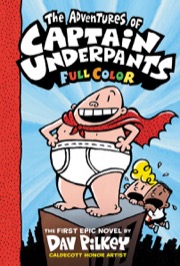
4. Captain Underpants: The Gross-Out Escalation
KidsBookCheck Score: 61.2/100 (Kid: 78, Parent: 49)
Also by Dav Pilkey, Captain Underpants takes the humor in Wimpy Kid and turns up the gross-out factor significantly. The protagonist is a superhero who wears underwear on the outside, which tells you everything about the tone.
Why fans of Wimpy Kid love it: The illustrated, sketch-heavy format is familiar. The school setting and relatable characters ground the story. The series captures that specific middle-grade sense of humor.
How it’s different: This series embraces bodily humor in a way Wimpy Kid doesn’t. There are extended jokes about toilets, farts, and potty humor that are hilarious to kids but might make parents roll their eyes. The adventure elements are bigger—it’s not just surviving school, it’s fighting supervillains.
Best age: 7-11, especially kids who love toilet humor and absurdist action.
Read more about Captain Underpants on Amazon
5. Bad Guys: The Villain Redemption Arc
KidsBookCheck Score: 58.6/100 (Kid: 70, Parent: 49)
What if the story you cared most about wasn’t the hero’s tale, but the redemption arc of the villain? Bad Guys, also by Pilkey, follows a group of morally questionable creatures trying—and repeatedly failing—to be good.
Why fans of Wimpy Kid love it: The illustrated format with simple, expressive drawings works beautifully. The humor comes from situations and character interactions, not just jokes. And there’s genuine heart beneath the silliness.
How it’s different: The protagonist isn’t trying to fit in; he’s trying to stop being, well, bad. It’s a different kind of relatable. Plus, the series has a genuinely touching message about redemption, growth, and friendship that’s less present in Wimpy Kid.
Best age: 6-11, especially kids who love animals and second chances.
Read more about Bad Guys on Amazon
6. Cat Kid Comic Club: Pilkey’s Creative Evolution
KidsBookCheck Score: 79.8/100 (Kid: 81, Parent: 77)
This is Dav Pilkey’s newest series, and it shows his growth as a creator. Cat Kid Comic Club has higher parent approval than most illustrated humor—probably because it’s genuinely clever about how it explores creativity, collaboration, and storytelling itself.
Why fans of Wimpy Kid love it: The format is different—it’s a graphic novel rather than a chapter book with illustrations—but the humor, heart, and accessibility are kindred spirits. Kids who are reading Wimpy Kid are exactly the right age to appreciate this.
How it’s different: This series is meta in the best way. The story is about creating stories, which means the book itself becomes a celebration of imagination. The art is sophisticated but accessible. And the emotional core is stronger than most illustrated humor.
Best age: 8-12, especially kids who like thinking about how stories work.
Read more about Cat Kid Comic Club on Amazon
7. The Last Kids on Earth: Adventure Wrapped in Humor
KidsBookCheck Score: Research-based
When your kid has exhausted the gentler humor of Wimpy Kid and is ready for action-adventure, The Last Kids on Earth by Max Brallier is the bridge. It has the illustrated chapter book format, the group-of-friends dynamic, and the school-adjacent setting—but with genuinely imaginative monsters and real stakes.
Why fans of Wimpy Kid love it: Same illustrated format, same accessible tone, same emphasis on friendships. The humor is there, but it’s in service of an actual story.
How it’s different: This is adventure with humor, not humor with light adventure. The imagination required is bigger. The scope is wider. If your child is ready to grow into more complex stories while keeping the visual support of illustrations, this is the ladder up.
Best age: 8-13, especially kids ready for their first chapter books with genuine plot tension.
Read more about The Last Kids on Earth on Amazon
8. Tom Gates: The British Equivalent
KidsBookCheck Score: Research-based
Tom Gates, by Liz Pichon, is essentially what you’d get if you put Diary of a Wimpy Kid through a British translator. A kid journaling through school, doodles in the margins, illustrated humor, the whole experience. But with distinctly different sensibilities.
Why fans of Wimpy Kid love it: The format is virtually identical. The diary structure, the margin doodles, the school setting—it’s comfortable territory. The humor translates beautifully across the Atlantic.
How it’s different: The tone is slightly more optimistic and slightly less cynical. Tom loves art in a way that’s more central to his character. The supporting cast feels a bit more genuinely kind. If your child wants Wimpy Kid but with a lighter touch, this is worth trying.
Best age: 7-12, especially kids who appreciate international perspectives.
Read more about Tom Gates on Amazon
Quick Comparison: Which Series Is Right?
| Series | Best For | Humor Style | Tone | Reading Level |
|---|---|---|---|---|
| Dork Diaries | Girls, wanting representation | Social embarrassment | Sweet, aspirational | 7-9 |
| Big Nate | Confident kids, want more energy | Physical comedy & schemes | Chaotic & optimistic | 7-10 |
| Dog Man | Early readers, visual learners | Absurdist & wordplay | Silly & upbeat | 6-9 |
| Captain Underpants | Toilet humor enthusiasts | Gross-out jokes | Wild & action-packed | 7-10 |
| Bad Guys | Want redemption arcs | Situational humor | Heartfelt beneath silliness | 6-10 |
| Cat Kid Comic Club | Creators & meta-thinkers | Clever & creative | Sophisticated & warm | 8-12 |
| The Last Kids on Earth | Want adventure | Action-driven humor | Epic & imaginative | 8-13 |
| Tom Gates | Prefer British perspective | Observational & artistic | Light & optimistic | 7-11 |
Parent Empathy Moment
Here’s the truth: you’re probably relieved that your kid found Diary of a Wimpy Kid. It got them reading. They chose to read it. They laughed at jokes. And now, you’re watching them develop genuine enthusiasm for chapter books.
The anxiety, though? “What if nothing else works? What if they only want Wimpy Kid forever?”
This feeling is so real, and it’s totally normal. But it’s also unnecessary. Kids who love Diary of a Wimpy Kid have discovered something about themselves: they like humor that acknowledges what they’re actually experiencing. That’s not specific to one series. That hunger for truthful, relatable, funny stories? That’s going to serve them through every book format.
The alternatives above aren’t replacements for Wimpy Kid. They’re invitations to discover that the humor your child loves exists in many forms.
FAQ: Books Like Diary of a Wimpy Kid
What’s the best Wimpy Kid alternative for a reluctant reader?
Dog Man and Big Nate have the highest kid appeal for early and reluctant readers. The illustrations are dense and engaging, and you can finish a book in 30-45 minutes, which feels like a genuine accomplishment.
Is Dork Diaries really as good as the boys say Wimpy Kid is?
Yes, but differently. If you ask kids who’ve read both, they’ll say Dork Diaries is the girl version—not a copy, but a parallel experience. The humor has different sources, the protagonist has different struggles, and the art style is slightly different. But the core appeal is equally strong.
My kid is reading Dog Man instead of Wimpy Kid. Should I be concerned?
Not at all. Dog Man is actually more densely illustrated and often easier for visual learners. The humor is different (more absurdist), but both series are age-appropriate and encourage reading. Different kids gravitate toward different humor styles.
Are these books appropriate for different genders?
Absolutely. While Dork Diaries has a female protagonist and tends to resonate more with girls, plenty of boys love it. Conversely, girls read Big Nate and Dog Man enthusiastically. Don’t let the lead character’s gender limit your recommendations.
How do I know when my child is ready to move beyond illustrated humor?
Look for these signs: they’re finishing books faster than new ones arrive, they’re asking for longer chapters, they’re re-reading less. These suggest they’re ready to graduate, but there’s no shame in staying with illustrated humor longer—some kids do until age 13+.
Should my kid read Wimpy Kid books in order?
While each Wimpy Kid book stands alone, there’s character development across the series. If your child loves the first book, the reading order doesn’t matter much. But they’ll enjoy recurring jokes and character evolution more if they read books 1-2-3 in sequence.
How KidsBookCheck Scores Work
When we rate these books, we’re looking at two distinct experiences: what kids think and what parents think. A book might score 82 with kids (they love it!) but 48 with parents (they’re concerned about content). The gap tells us something important.
Learn more about how we evaluate books at How It Works.
Still Trying to Find the Perfect Fit?
Every child has different preferences, and that’s what makes reading wonderful. The book your neighbor’s kid is obsessed with might not click for yours—and vice versa.
Take our quick quiz to get personalized recommendations based on your child’s actual reading preferences, not just their favorite book. We’ll match them with series they didn’t know existed.
Discover More About Diary of a Wimpy Kid
Want to understand whether Diary of a Wimpy Kid is actually appropriate for your child’s age? We’ve written a detailed analysis: Is Diary of a Wimpy Kid Appropriate for 8-Year-Olds?
Your Next Reading Adventure
The beautiful thing about illustrated humor is that it unlocks reading for kids who might otherwise resist books. Whether your child moves to Dork Diaries, Dog Man, or Tom Gates, they’re building the same skills: comprehension, visual literacy, the ability to find humor in relatable situations.
KidsBookCheck is here to help you navigate every choice. Try our quiz for personalized recommendations, and explore our detailed book reviews to make confident decisions about what your kids are reading.
Happy reading!