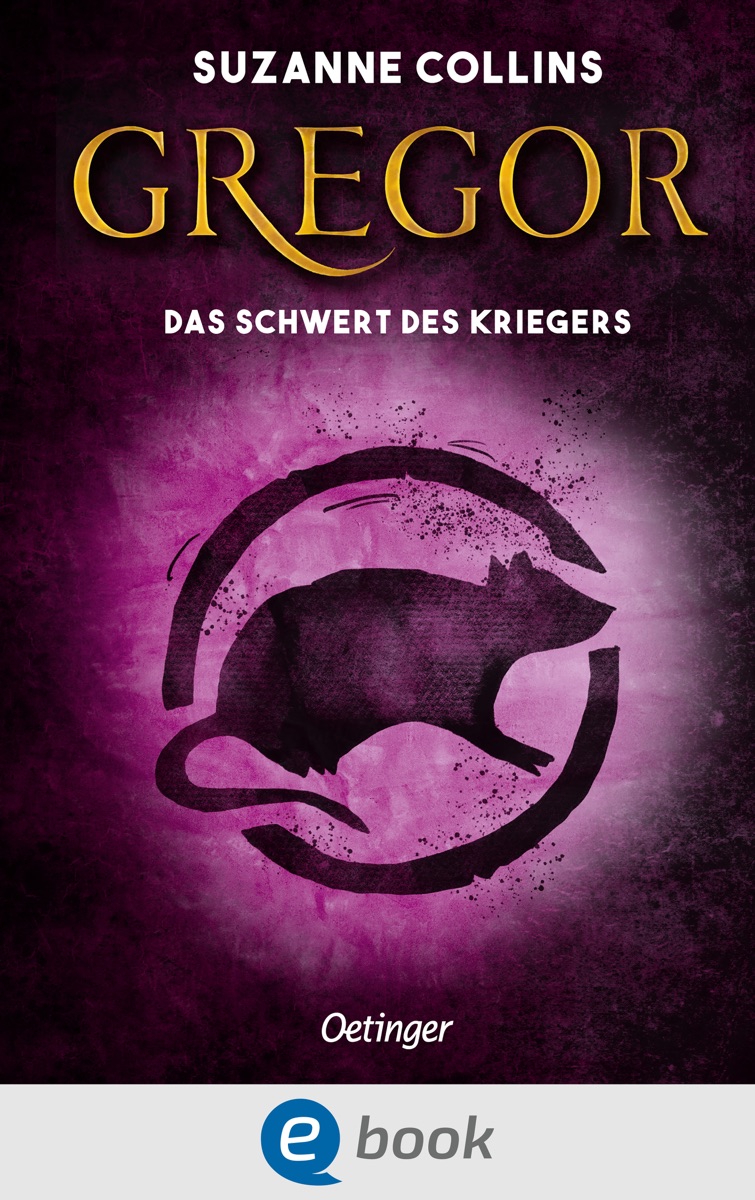
Gregor and the Code of Claw
by Suzanne Collins · The Underland Chronicles #5
A powerful series finale that trades laughs for hard-earned wisdom about war, peace, and choosing your own identity
The story
In the final installment of the Underland Chronicles, twelve-year-old Gregor must face a prophecy predicting his death while his brilliant younger sister races to break an enemy code that could turn the tide of war. As the conflict between humans and rats reaches its devastating climax, Gregor discovers that the greatest battle isn't against a monster — it's against the idea that his fate was ever written in stone.
Age verdict
Best for ages 10-12. The emotional weight (character deaths, panic attacks, war trauma) is significant but handled with restraint and respect. Readers under 10 may need parental support for the heavier moments.
Our take
A series-culminating epic that teaches and moves more powerfully than it entertains; the war-and-peace themes and sophisticated moral reasoning give teachers rich material while the sparse humor and heavy emotional weight modestly dampen pure kid entertainment.
What stands out
Each audience's top 3 dimensions. Out of 30 scored per book.
Kids love
- Heart-punch Exceptional
Comparable to A Court of Mist and Fury , triangulated with Tristan Strong Punches a Hole in the Sky — emotional devastation earned across five-book series investment. Gregor's panic attack when holding a care package (realizing he may never use its contents) and inability to release Ares' physical remains deliver earned grief peaks that accumulate. Sits at 9 (not 10) because grief is concentrated in specific moments rather than omnipresent on every page. [Tier 3: K5=9]
- First-chapter grab Strong
Comparable to Lunch Lady and the Cyborg Substitute — opens directly into existential crisis through prophecy prediction. The psychological weight of staring at a death prophecy establishes immediate, auditory tension without exposition. Sits at 8 because the immediacy and crisis-opening match Lunch Lady's engagement model, lacking the post-trauma devastation of ACOMAF's 9-tier entry. [Tier 3 anchor: Lunch Lady]
Parents love
- Writing quality Strong
Comparable to Interrupting Chicken , triangulated with Illuminae — demonstrates mastery of register at sentence level. Opening grounds physically ("back pressed into cold stone floor"), action sequences use staccato rhythm to mirror combat heartbeats, devastating emotional moments conveyed through silence and physical gesture rather than exposition. Sits at 8 (shifted 7→8) because Collins's stylistic choices (restraint, economy, register modulation) mark genuine prose mastery, though not multimedia-experimental like Illuminae. [Tier 3: P2=8 confirmed]
- Moral reasoning Strong
Comparable to The Maze Runner — creates genuine moral tension without providing simple answers. Central question (prophecy as control vs inevitable fate) and climactic choice (warfare vs uncertain peace) require readers to weigh pragmatic survival against principled reconciliation. Sits at 8 (not 9/Artemis Fowl) because while philosophically rich, Gregor's choice to break the sword and choose peace does lean toward one resolution, whereas Artemis Fowl leaves moral calculus more open. [Tier 2 anchor: The Maze Runner]
Teachers love
- Discussion fuel Strong
Is rejecting a prophecy brave or reckless? Can former enemies truly become allies? Is the mentor right about prophecies as manipulation tools? When is compromise strength versus surrender? Questions have no obvious correct answers and sustain authentic classroom debate. Sits at 8 (not 10/Breakout) because while strong, there are fewer debate threads than Breakout's comprehensive thematic scope. [Tier 2 anchor: Earthquake]
- Critical thinking development Strong
Comparable to All Our Yesterdays — the book requires students to evaluate propaganda (Solovet grooms young leader), question systems of authority (prophecy framework that controlled five books), and distinguish correlation from causation (prophecy self-fulfilling vs genuinely predictive). Sophisticated reasoning embedded in accessible narrative. Sits at 8 (not 9/Mockingjay or 10/Gathering Blue) because while critical thinking is genuine, students aren't required to evaluate competing claims with same intensity. [Tier 2 anchor: All Our Yesterdays]
✓ Perfect for
- • Readers who loved the prior Underland books and are ready for the emotional payoff
- • Kids who appreciate action with philosophical depth
- • Fans of Suzanne Collins who want to see where her storytelling roots began
- • Mature 10-12 year olds ready for themes of war, sacrifice, and peace
Not ideal for
Readers seeking lighthearted adventure or humor-driven fantasy; this is the darkest and most emotionally intense book in the series, with minimal comedy and sustained grief.
⚠ Heads up
At a glance
- Pages
- 412
- Chapters
- 27
- Words
- 135k
- Lexile
- 730L
- Difficulty
- Moderate
- POV
- Third Person Limited
- Illustration
- None
- Published
- 2007
- Publisher
- Oetinger Friedrich GmbH
- ISBN
- 9783789132148
Mood & style
You'll know it worked when…
The prophecy's resolution and the final peace ceremony provide clear closure, though the open-ended goodbye between the protagonist and the Underland leaves room for imagination.
If your kid loved "Gregor and the Code of Claw"
Matched across 30 dimensions — interest hooks, character appeal, tone, pacing, emotional core. Not by what other people bought. By what fits the same reader profile.
Neverseen
by Shannon Messenger
Same genre (fantasy). Both intense in tone
A Reaper at the Gates
by Sabaa Tahir
Same genre (fantasy). Both intense in tone
Hollowpox: The Hunt for Morrigan Crow
by Jessica Townsend
Same genre (fantasy). Same pacing (slow burn to explosive)
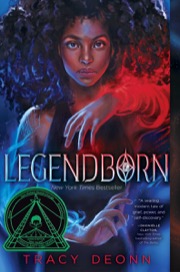
Legendborn
by Tracy Deonn
Same genre (fantasy). Both intense in tone
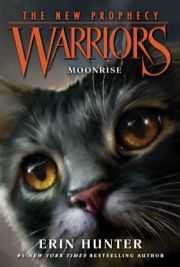
Moonrise
by Erin Hunter
fantasy as secondary genre. Both intense in tone
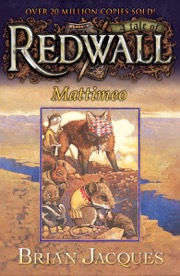
Mattimeo
by Brian Jacques
Same genre (fantasy). Same emotional weight (heavy)
Want more picks like this?
Get 5 hand-picked book reviews for your child's age — one email a month.