
The People of Sparks
by Jeanne DuPrau · Book of Ember #2
A quiet dystopian allegory about how neighbors become enemies — and how a single provocateur can engineer a war.
The story
Picking up hours after The City of Ember ended, 417 refugees from the underground city of Ember arrive at the small village of Sparks, which grudgingly agrees to shelter them for six months. As resources strain, tempers fray, and a charismatic ex-cart-hauler named Tick begins organizing the Emberites into a grievance movement, Lina sets out on a dreamer's quest to find a legendary shining city while Doon stays behind and watches his community drift toward violence. When a machine-gun Weapon is aimed at the arriving Emberites, a ten-year-old boy's confession cracks open a false-flag conspiracy.
Age verdict
Publisher and CSM say 9+, but we think 10-12 is the sweet spot. 9-year-olds can follow the plot but benefit from adult discussion of the firefight and betrayal.
Our take
adult_approved
What stands out
Each audience's top 3 dimensions. Out of 30 scored per book.
Kids love
- Ending satisfaction Strong
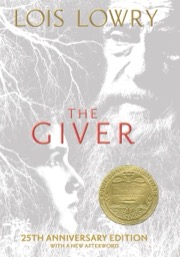
The Ch29 coda is deeply satisfying: Ben stiffly apologizes, Torren hugs Caspar goodbye, Doon lights the first electric bulb in two hundred years. Ties every thread and the generator-glow is a memorable closing image. Comparable to The Giver for earned quiet finale, below Holes for air-tight resolution. [book]
- Mental movie Strong
Visually distinctive: 417 refugees walking up from an underground cave, oxen pulling trucks, a pink one-legged bird statue, a boy clinging to a burning pine tree, a single electric bulb coming on in a dark room. Comparable to The Giver for restrained but iconic imagery, below Wildwood for worldbuilding visuals. [book]
Parents love
- Moral reasoning Exceptional
The book's pole star. An entire 338-page sustained investigation of how decent people become enemies, how grievance is manufactured, how a false flag can engineer a war. Maddy's 'reverse the direction' (Ch20) is the explicit moral thesis. Comparable to Wonder for moral framework durability and Number the Stars for moral-courage pedagogy. [book]
- Parent-child conversation starter Strong
Packed with discussable material: 'Why did the council decide no eating with refugees?', 'Was Tick evil or just angry?', 'What does reverse the direction mean?'. Rich dinner-table fuel. Comparable to Wonder and Number the Stars for conversation density. [book]
Teachers love
- Discussion fuel Exceptional
Discussion gold. Every chapter opens moral questions with no easy answers: eating-rule fairness, Tick's motives, Sparks' original decision, Ben's punishment. Ch28 turn retroactively makes every prior scene a discussion prompt. Comparable to Number the Stars and The Giver for moral-dilemma density. [book]
- Critical thinking development Exceptional
Excellent critical-thinking text. Readers track multiple POVs, weigh competing claims, notice Tick's rhetorical moves, hold epistemic uncertainty. Ch28 turn is a masterclass in false-flag logic. Comparable to The Giver for ideology-recognition pedagogy and Animal Farm for propaganda analysis. [book]
✓ Perfect for
- • Kids 10-12 who loved The City of Ember and want to know what happens next
- • Families interested in age-appropriate books about refugee crises and political manipulation
- • Classrooms studying dystopian fiction, conflict resolution, or historical allegory
- • Readers who prefer thoughtful, measured pacing over action-heavy adventure
Not ideal for
Reluctant readers, kids who want laugh-out-loud humor, fans of fast-paced action-adventure, or 8-year-olds not yet ready to process a community at war.
⚠ Heads up
At a glance
- Pages
- 338
- Chapters
- 29
- Words
- 78k
- Lexile
- 760L
- Difficulty
- Moderate
- POV
- Third Person Limited
- Illustration
- None
- Published
- 2004
Mood & style
You'll know it worked when…
Moderate — readers who finished Book 1 generally finish Book 2, but the slower pace loses some casual readers in Act 2.
More like this
Same genre, similar age range. Ranked by kid score.
Want more picks like this?
Get 5 hand-picked book reviews for your child's age — one email a month.