
King and the Dragonflies
by Kacen Callender
A lyrical, deeply felt novel about grief, identity, and the courage to accept yourself and others
The story
Twelve-year-old Kingston James believes his recently deceased brother Khalid has transformed into a dragonfly. When his former best friend Sandy appears in his backyard, hiding from a difficult home situation, King is drawn into a friendship that forces him to confront questions about loyalty, identity, and what it means to truly love the people in your life — even when understanding them feels impossible.
Age verdict
Best for ages 10-13. The emotional weight of grief, abuse, and identity themes works best with mature readers. Younger readers in the publisher's 8-12 range may find the content heavy without adult conversation support.
Our take
Literary award winner with strong parent and teacher value but lower kid entertainment appeal — deep emotional and thematic richness at the cost of humor and cool factor
What stands out
Each audience's top 3 dimensions. Out of 30 scored per book.
Kids love
- Heart-punch Exceptional
The emotional architecture is devastating and earned across the full novel — King's realization that Khalid is truly gone, expressed through physical collapse rather than stated grief, builds to a family healing scene with home videos that will make readers cry. The simultaneous threads of grief, shame, and longing for acceptance create emotional complexity comparable to A Court of Mist and Fury (9) in its sustained, layered emotional devastation.
- First-chapter grab Strong
The opening chapter drops readers into King's emotional world immediately — searching for dragonflies at the bayou, grieving his brother, then discovering Sandy hiding in his backyard tent. The dual hook of emotional mystery and friendship crisis pulls readers forward with urgency comparable to All the Broken Pieces (7), establishing both the protagonist's voice and the central questions within pages.
Parents love
- Stereotype-breaker Exceptional
A Black queer boy protagonist navigates grief, identity, and family in a narrative that systematically dismantles multiple stereotypes — the homophobic father who is also loving and afraid, the mother whose silence is complicity rather than acceptance, and King himself who moves from internalized prejudice to self-acceptance. The book refuses simple hero-villain dynamics around homophobia, showing how people can simultaneously love someone and fail them, approaching Gathering Blue (9) in its layered deconstruction.
- Emotional sophistication Exceptional
Characters hold contradictory emotions simultaneously — King grieves Khalid while resenting the secret Khalid carried, loves his father while recognizing his homophobia, wants Sandy's friendship while fearing what it reveals about himself. The book models that shame and love can coexist, that grief transforms but never fully resolves. This layered emotional architecture matches Children of Blood and Bone (9) in its sustained portrayal of complex, unresolved emotional states.
Teachers love
- Discussion fuel Exceptional
Nearly every chapter generates genuine student disagreement — Was King right to reject Sandy? Should King have told an adult about Sandy hiding? Is running away ever the right choice? How should parents respond when their child comes out? The dynamics of King's rejection of Sandy and Jasmine's defense create multiple perspectives for classroom debate, stronger than Earthquake in the Early Morning (8), approaching Sunny Rolls the Dice (9) in generating authentic student engagement.
- Empathy & self-awareness Exceptional
The novel functions as an empathy machine — students must understand King's fear, Sandy's desperation, the parents' struggle between love and prejudice, and Jasmine's clarity. The first-person narration invites readers to inhabit a perspective they may not share while recognizing universal emotional truths about shame and belonging, comparable to Breakout (9) in forcing genuine perspective-taking across multiple positions.
✓ Perfect for
- • Readers who love emotionally rich, character-driven stories
- • Kids processing grief or loss who want to see their feelings reflected authentically
- • Families looking for books that open conversations about identity, acceptance, and difficult family dynamics
- • Teachers seeking award-winning texts for social-emotional learning units
Not ideal for
Readers seeking action-driven plots, humor-heavy stories, or light entertainment — this is a quiet, emotionally intense novel that requires patience and emotional readiness
⚠ Heads up
At a glance
- Pages
- 272
- Chapters
- 29
- Words
- 70k
- Lexile
- 830L
- Difficulty
- Moderate
- POV
- First Person
- Illustration
- None
- Published
- 2020
Mood & style
You'll know it worked when…
Most readers who connect with King's voice in the first three chapters will finish the book — the emotional pull is strong enough to sustain attention through the quieter middle sections.
More like this
Same genre, similar age range. Ranked by kid score.
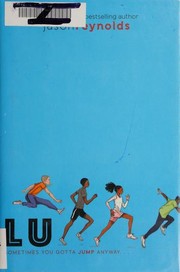
Lu
by Jason Reynolds

The Absolutely True Diary of a Part-Time Indian
by Sherman Alexie
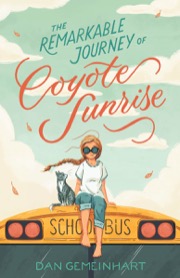
The Remarkable Journey of Coyote Sunrise
by Dan Gemeinhart
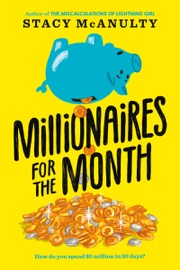
Millionaires for the Month
by Stacy McAnulty
Want more picks like this?
Get 5 hand-picked book reviews for your child's age — one email a month.