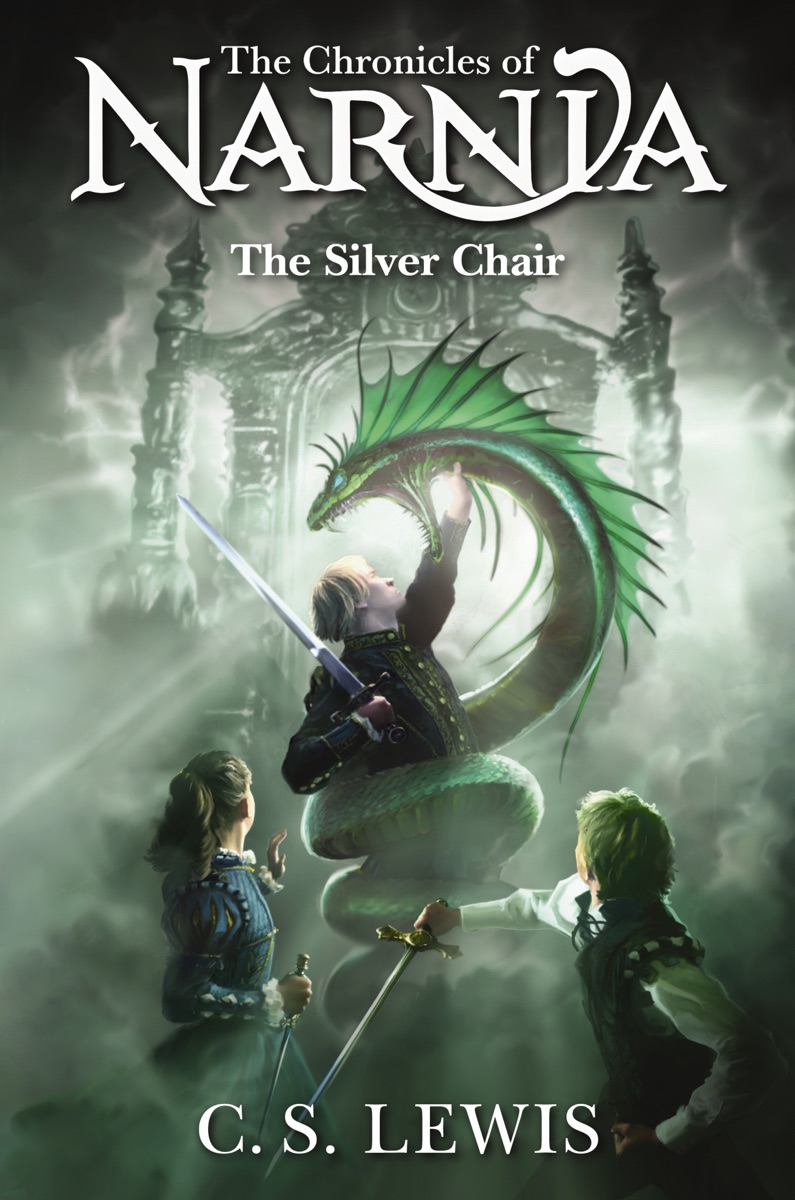
The Silver Chair
by C.S. Lewis · The Chronicles of Narnia #6
A philosophical quest through darkness where faith is tested by an enemy who fights with arguments, not swords.
The story
Two schoolchildren escape bullying at their progressive school when they are called into the magical world of Narnia by the great lion Aslan. Tasked with finding a long-lost prince, they journey with Puddleglum — a wonderfully gloomy marsh-dwelling creature — through giant territory and deep underground, where they face an enchantress whose most dangerous weapon is her ability to make them doubt everything they believe.
Age verdict
Best suited for ages 9-11; strong readers as young as 7 will enjoy the adventure, while the philosophical content rewards readers up to 13.
Our take
A classic fantasy that teaches and provokes thought more powerfully than it entertains — strong across all three perspectives but strongest in moral reasoning and discussion potential, with humor as its most notable limitation.
What stands out
Each audience's top 3 dimensions. Out of 30 scored per book.
Kids love
- First-chapter grab Strong
Tier 2: Comparable to All the Broken Pieces . Both open with emotional vulnerability (bullying/relational trauma) immediately transitioning to wonder-world entry. Jill's crying-behind-gym → Aslan's door opener mirrors the verse-poem-to-stakes pattern. Sits at 7 because both deliver emotional hook + magical world-opening without extended world-building setup.
- Middle momentum Strong
Tier 2: Comparable to Breakout . The middle moves through escalating danger zones (marshes→hostile giants→dark underworld) with a ticking meta-puzzle (four signs). Each zone reset maintains momentum; puzzle framework forces continual reader engagement with the question 'which sign is which?'. Sits at 7 because momentum is sustained and stakes compound.
Parents love
- Moral reasoning Exceptional
Tier 3: Comparable to The Giver , triangulated with attainment level . The spell scene presents a genuinely sophisticated philosophical challenge: the Witch methodically argues that Narnia/Aslan/reality are childish constructions, making readers grapple with epistemology (how do we know what's real?). Puddleglum's response—affirming Narnia even if false because belief matters morally—teaches that conviction can eclipse logic. The Knight-freeing scene compounds this: the children must choose obedience (follow the sign) over rational safety. Sits at 9 because the moral complexity is rare in children's literature and the resolution teaches emotional/philosophical maturity, not simple right-answer morality.
- Writing quality Strong
Tier 2: Comparable to The Book Thief . Lewis demonstrates literary craft through multiple techniques: the spell scene's rhythmic, hypnotic prose mirrors its content (seductive enchantment); editorial asides establish an intimate narrative voice; dialogue-without-tags reveals character through speech cadence and word choice. The musicality of language is weaponized for thematic effect. Sits at 8 because craft execution is deliberate and skilled.
Teachers love
- Discussion fuel Strong
Tier 2: Comparable to top-tier discussion . The Witch's philosophical argument generates genuine classroom debate about epistemology and belief; students analyze her persuasion techniques and identify emotional/logical appeals; Puddleglum's response shows conviction beating logic—a discussion point about values and faith. The Knight-freeing dilemma and sign-ignoring instances create multi-perspective discussion opportunities. Sits at 8 because discussion fuel is sustained and ideologically complex.
- Critical thinking development Strong
Tier 2: Comparable to top-tier critical thinking . The spell scene is a masterclass in analyzing persuasion: identify the Witch's techniques (emotional appeal, logical argument, repetition), evaluate their seductive power, understand why Puddleglum's emotional response defeats her logical argument. The cookbook discovery teaches assumption-questioning: students identify what they assumed wrong and why the giants' hospitality seemed genuine. Sits at 8 because critical thinking development is deep and intentional.
✓ Perfect for
- • children who love fantasy quests with philosophical depth
- • readers who enjoy unlikely heroes and memorable companions
- • families looking for books that spark meaningful conversations about belief and courage
- • Narnia fans ready for the series' most thought-provoking installment
Not ideal for
Children who need fast-paced action and humor as the primary engine — this installment is more philosophical and emotionally intense than the earlier, lighter Narnia books, and the underground passages create sustained tension without comic relief.
⚠ Heads up
At a glance
- Pages
- 243
- Chapters
- 16
- Words
- 63k
- Lexile
- 840L
- Difficulty
- Moderate
- POV
- Third Person Omniscient
- Illustration
- Sparse
- Published
- 1953
- Publisher
- HarperCollins
- Illustrator
- Pauline Baynes
- ISBN
- 9780064405041
Mood & style
You'll know it worked when…
Most children will finish in 3-5 reading sessions once they reach the giants' castle.
If your kid loved "The Silver Chair"
Matched across 30 dimensions — interest hooks, character appeal, tone, pacing, emotional core. Not by what other people bought. By what fits the same reader profile.
Rise of the Evening Star
by Brandon Mull
Same genre (fantasy). Both adventurous in tone
Hollow City
by Ransom Riggs
Same genre (fantasy). Same pacing (rollercoaster)
Harry Potter and the Goblet of Fire
by J.K. Rowling
Same genre (fantasy). Both adventurous in tone
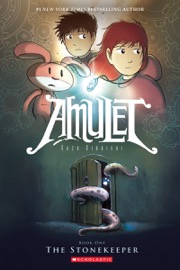
The Stonekeeper
by Kazu Kibuishi
Same genre (fantasy). Both adventurous in tone
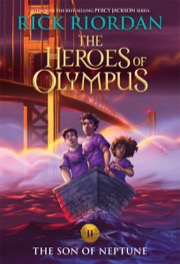
The Son of Neptune
by Rick Riordan
Same genre (fantasy). Both adventurous in tone
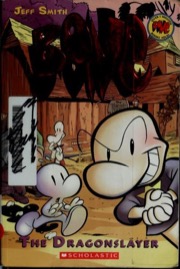
Bone #4: The Dragonslayer
by Jeff Smith
Same genre (fantasy). Both adventurous in tone
Want more picks like this?
Get 5 hand-picked book reviews for your child's age — one email a month.