
Chalk
by Bill Thomson
A wordless picture book where three kids discover chalk that brings their drawings to life.
The story
On a rainy afternoon, three children find a small drawstring bag tied to a playground dinosaur. Inside is colored chalk — and whatever they draw on the pavement becomes real. A sun chases away the rain; butterflies lift into the air. When one child draws something bigger and more dangerous for fun, the group has to think fast to undo what their own imagination has unleashed. Told entirely through Bill Thomson's photorealistic acrylic-and-colored-pencil paintings, with no words at all.
Age verdict
Best fit 4-7 with an adult co-reading the first time; still rewarding as a writing-and-art-class catalyst up through age 9.
Our take
Teacher-favored classroom staple: a wordless picture book whose chief strengths are imaginative writing-prompt power, reluctant-reader accessibility, and cross-curricular versatility.
What stands out
Each audience's top 3 dimensions. Out of 30 scored per book.
Kids love
- Mental movie Exceptional
Every spread is a photorealistic acrylic-and-colored-pencil painting — the mental movie is literally on the page. Thomson's paint is so detailed (T. Rex scales, damp pavement, rain droplets on raincoats) that the images lodge in memory with zero extra cognitive work, comparable to Don't Let the Pigeon Drive the Bus! (9) where the illustrations ARE the story.
- First-chapter grab Strong
The opening spread hooks without a single word — three hooded children trudging through rain toward a photorealistic playground dinosaur with a mysterious bag hanging from its snout. The visual question is impossible to ignore for any young reader, similar in wordless pull to All the Broken Pieces (7) and stronger than most picture-book cold opens that rely on text.
Parents love
- Reading gateway Strong
Wordless format means zero decoding barrier, which makes this a premier onboarding book for pre-readers, emergent readers, and ELL learners. Book fair and reading-list presence confirmed. Stronger than A Bear Called Paddington (8) as a pure gateway because no reading skill is required at all, though slightly below Frog and Toad Together (9) which bridges to actual decoding.
- Creative spark Strong
The premise is an explicit invitation to imagine — what would YOU draw if the chalk were magic? — and the ending leaves the chalk available for the next child, making the invitation inclusive. similar to The Boy at the Back of the Class (8), which similarly hands the reader an imaginative follow-on.
Teachers love
- Writing prompt potential Exceptional
Premier wordless-picture-book writing prompt — students commonly write the 'text' that would accompany the pages, or draft their own magic-chalk adventure, or add dialogue bubbles. similar to Interrupting Chicken (9), which similarly hands students a structured invitation to generate their own narrative.
- Reluctant reader rescue Exceptional
Perfect for reluctant readers, struggling readers, and ELL students — there is no decoding barrier at all, and the cinematic realism hooks visual learners immediately. Often used as an entry point to reading engagement, similar to Diary of a Wimpy Kid: Hard Luck (9) for older reluctant readers, and arguably more accessible because no text skill is required.
✓ Perfect for
- • Pre-readers and emergent readers who want a real story without a decoding barrier
- • Visual learners who light up at detailed, realistic illustrations
- • ELL students at any level
- • Classrooms using wordless picture books for inferencing, sequencing, and creative writing
- • Dinosaur-obsessed kids who also love a little thrill
Not ideal for
Very young children (ages 3 and under) who may find the middle chase sequence genuinely frightening, or readers who strongly prefer text-driven stories.
⚠ Heads up
At a glance
- Pages
- 40
- Chapters
- 6
- Words
- 0k
- Difficulty
- Easy
- POV
- Third Person Omniscient
- Illustration
- Fully Illustrated
- Published
- 2010
- Publisher
- Marshall Cavendish Children's Books
- Illustrator
- Bill Thomson
Mood & style
You'll know it worked when…
Kids want to reread it on their own and are eager to describe it — often with hand gestures — to a friend or sibling.
More like this
Same genre, similar age range. Ranked by kid score.
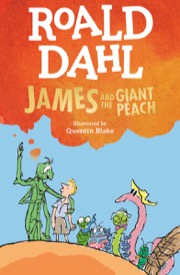
James and the Giant Peach
by Roald Dahl
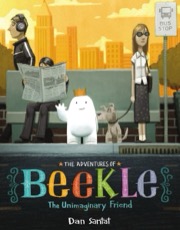
The Adventures of Beekle: The Unimaginary Friend
by Dan Santat
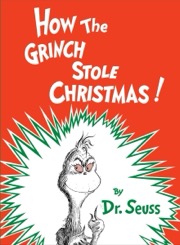
How the Grinch Stole Christmas!
by Dr. Seuss
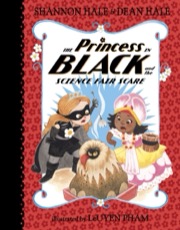
The Princess in Black and the Science Fair Scare
by Shannon Hale and Dean Hale
Want more picks like this?
Get 5 hand-picked book reviews for your child's age — one email a month.