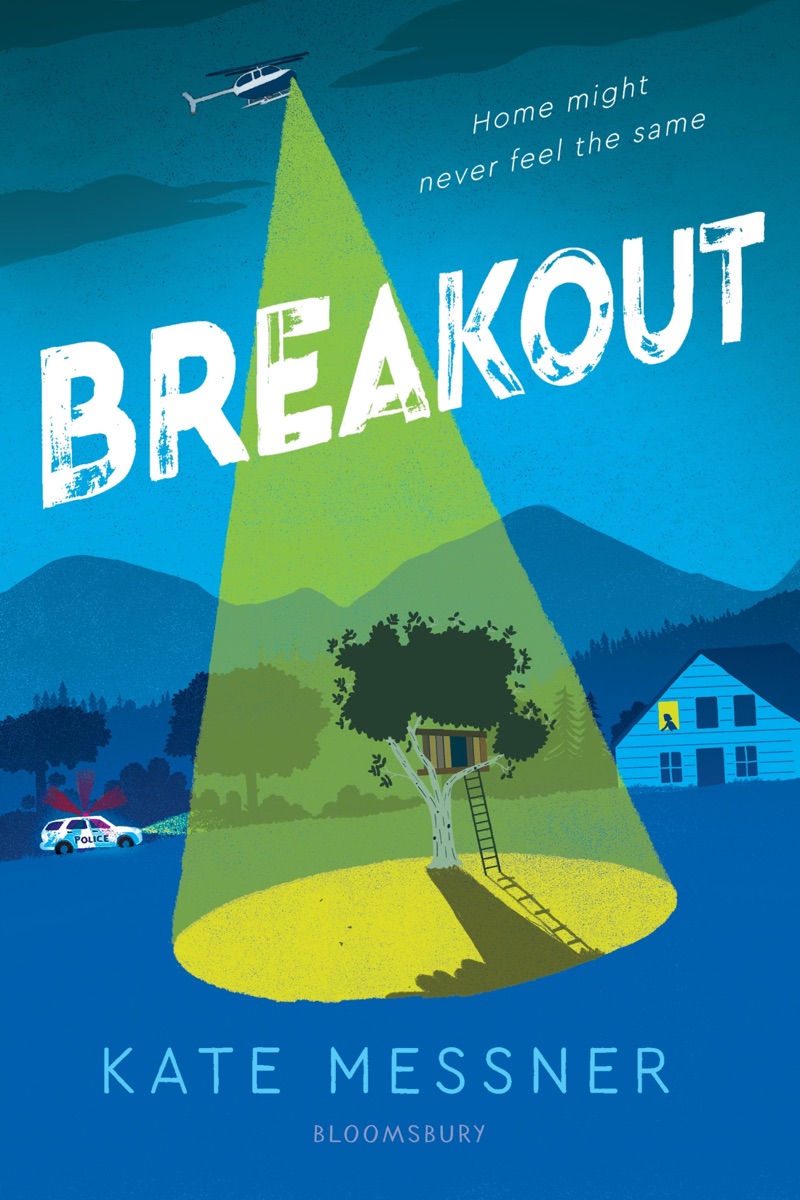
Breakout
by Kate Messner
A prison break in a small town reveals who really belongs — and who gets to decide.
The story
When two inmates escape from the maximum security prison in Wolf Creek, seventh-grader Nora Tucker starts collecting documents for a community time capsule project. Through letters, poems, text messages, parody news articles, and comics from Nora and her friends Lizzie and Elidee, the reader pieces together a summer where fear and suspicion expose the town's fault lines — especially around race, belonging, and whose voices get heard.
Age verdict
Best for ages 10-13. Strong 9-year-old readers can handle the format, but the themes of racial profiling and incarceration resonate most with readers who have some awareness of social structures.
Our take
Classroom powerhouse with strong parent value that outpaces kid entertainment — a teacher's dream text that parents will appreciate for growth value, though kids find it more meaningful than thrilling.
What stands out
Each audience's top 3 dimensions. Out of 30 scored per book.
Kids love
- Character voice Strong
K3 high-stakes; voice distinction is structural not just performative]
- Middle momentum Strong
Comparable to Breakout — 22-day manhunt ticking clock + 196 chapters + Elidee emotional arc sustains momentum perfectly. Sits at anchor.
Parents love
- Emotional sophistication Exceptional
Comparable to Breakout decision-card tier — Nora's observer-to-ally journey develops sophisticated privilege understanding; Elidee processes grief through poetry; contradictory emotions held simultaneously. Sits at/above anchor.
- Real-world window Exceptional
Comparable to Breakout benchmark — Criminal justice, mass incarceration, racial profiling, prison economics, community surveillance woven into page-turning mystery; child understands systems not lectured. This book IS the exemplar.
Teachers love
- Mentor text quality Exceptional
epistolary (Nora), poetry (Elidee line-breaks), parody (Lizzie), journalism, text messages, formal letters. One teacher can teach six craft lessons from six chapters. IS the reference point.
- Discussion fuel Exceptional
Should Nora speak? Was grandmother right? Trust police? Multi-perspective models productive disagreement. Sits at anchor.
✓ Perfect for
- • Readers who love multi-format storytelling and piecing together different perspectives
- • Kids interested in social justice, community, and understanding how systems affect real people
- • Students who enjoy epistolary novels and creative nonfiction-inspired formats
- • Reluctant readers who find traditional chapter books intimidating but engage with texts and letters
Not ideal for
Very young or sensitive readers who may find sustained themes of racism, incarceration, and community fear overwhelming without adult support for processing.
⚠ Heads up
At a glance
- Pages
- 433
- Chapters
- 196
- Words
- 60k
- Lexile
- 840L
- Difficulty
- Moderate
- POV
- Alternating
- Illustration
- Sparse
- Published
- 2018
- Publisher
- Bloomsbury Publishing Plc
- ISBN
- 9781681195360
Mood & style
You'll know it worked when…
The story resolves with the girls using historical research to help solve the escape, and the community beginning to reckon with its divisions. Emotionally honest ending without false optimism.
More like this
Same genre, similar age range. Ranked by kid score.
Lu
by Jason Reynolds

The Absolutely True Diary of a Part-Time Indian
by Sherman Alexie
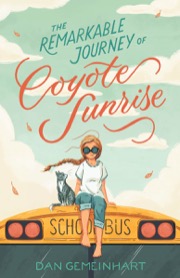
The Remarkable Journey of Coyote Sunrise
by Dan Gemeinhart
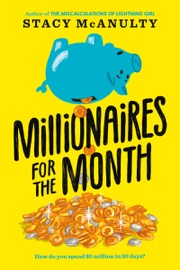
Millionaires for the Month
by Stacy McAnulty
Want more picks like this?
Get 5 hand-picked book reviews for your child's age — one email a month.