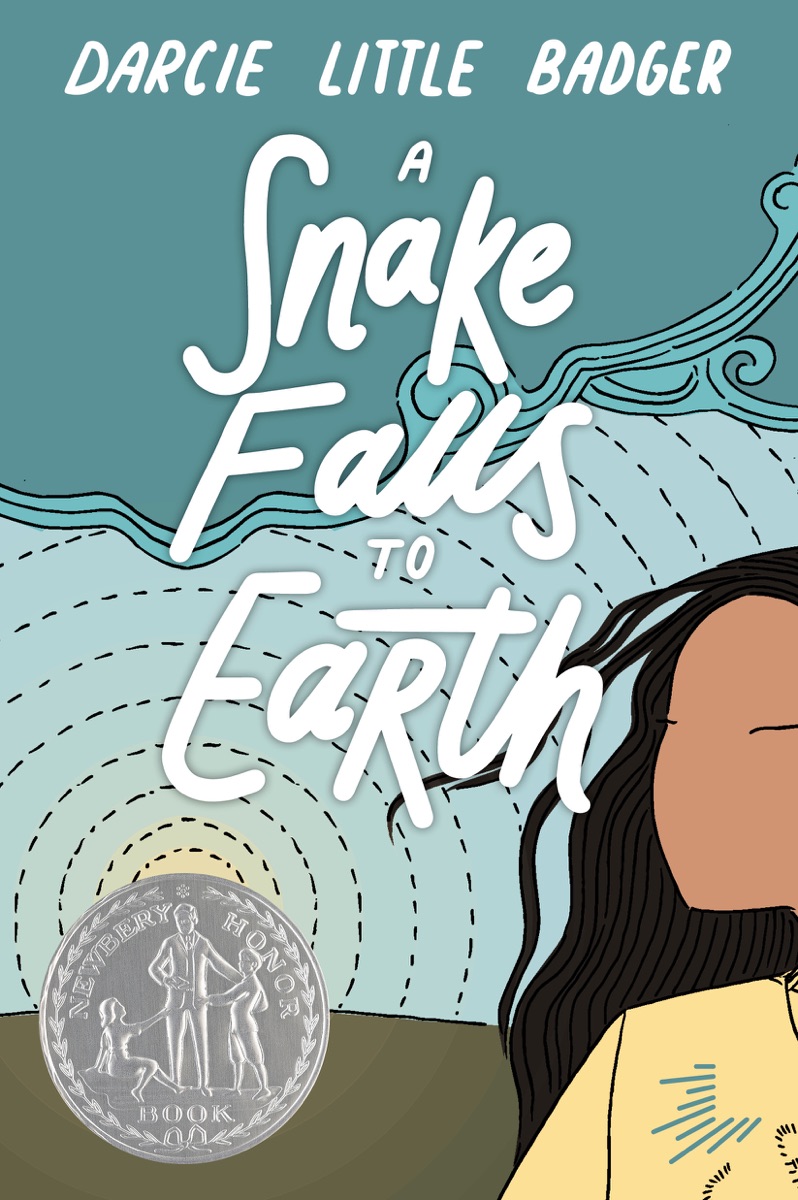
A Snake Falls to Earth
by Darcie Little Badger
A Newbery Honor tale of two worlds connecting through courage, climate science, and Indigenous storytelling
The story
When a Lipan Apache teen researching her family's mysterious ancestral stories discovers they connect to a hidden world of animal people, and a young cottonmouth snake in that spirit realm faces a crisis requiring human help, their paths converge during a climate-driven catastrophe that tests whether two worlds can cooperate before it is too late.
Age verdict
Best for ages 11-14. The emotional complexity, climate themes, and sophisticated dual-narrative structure land most powerfully with middle schoolers, though mature 9-10 year olds and older teens will also find value.
Our take
literary
What stands out
Each audience's top 3 dimensions. Out of 30 scored per book.
Kids love
- Character voice Strong
Comparable to City Spies — Oli's anxious, technical first-person voice contrasts sharply with Nina's practical, emotionally-invested third-person perspective. Each main character immediately identifiable without tags. Sits slightly below anchor: fewer characters but equal distinctiveness.
- Heart-punch Strong
'I could feel her tears'). Emotional sophistication high but loss-as-engine is weaker than Wander; hope and belonging drive forward motion.
Parents love
- Stereotype-breaker Exceptional
Comparable to Legendborn but sits slightly below — Indigenous author with PhD writes Indigenous characters as complex, modern, science-literate people, not stereotypes. Elderly Rosita is fierce knowledge-keeper with agency; Nina and Risk/Reign are active problem-solvers driving plot. Sits below anchor: fewer characters from underrepresented groups but representation is equally authentic.
- Writing quality Strong
sentence rhythm mirrors meaning (short staccato during monster chase, long flowing during contemplation), sensory details chosen for emotional impact, dual-narrative structure shows sophisticated storytelling. Sits at anchor: literary quality is evident and award-recognized.
Teachers love
- Cross-curricular value Exceptional
Comparable to A Wolf Called Wander — Indigenous Lipan Apache culture, environmental science, oceanography, South Texas geography, and climate ethics create natural bridges to social studies, science, cultural studies curricula. Sits slightly below anchor: cross-curricular hub is exceptional but Wander's biology connections are slightly broader.
- Discussion fuel Strong
Should powerful beings intervene in natural disasters? How do communities preserve untranslatable knowledge? When is cooperation across difference worth personal risk? Sits below anchor: rich questioning but Breakout covers more terrain.
✓ Perfect for
- • Readers who love worlds-within-worlds mysteries
- • Kids interested in Indigenous cultures and environmental science
- • Young readers ready for emotionally rich storytelling with genuine stakes
Not ideal for
Readers seeking fast-paced action or humor-driven stories may find the contemplative pacing and literary style challenging; the book rewards patience rather than delivering instant gratification.
⚠ Heads up
At a glance
- Pages
- 377
- Chapters
- 45
- Words
- 95k
- Lexile
- 710L
- Difficulty
- Moderate
- POV
- Alternating
- Illustration
- None
- Published
- 2021
- Publisher
- Levine Querido
- ISBN
- 9781646141142
Mood & style
You'll know it worked when…
A reader who enjoyed this will actively seek out other Indigenous futurism titles and ask questions about climate change, spirit worlds, and family heritage.
More like this
Same genre, similar age range. Ranked by kid score.


Want more picks like this?
Get 5 hand-picked book reviews for your child's age — one email a month.