Summer Reading List 2026: 15 Books Kids Will Actually Want to Read
Our curated summer reading list 2026 for kids ages 5-13. KidsBookCheck's top 15 book picks ranked by kid appeal, parent confidence, and educational value.
Summer is almost here, and if you’re dreading the “what should they read?” conversation, take a breath. Summer reading doesn’t have to be a battle. The right book at the right age makes all the difference—and that’s exactly what we’ve done for you.
At KidsBookCheck, we’ve been rating books through three lenses: what kids actually want to read, what parents appreciate, and what teachers recognize as quality. This summer, we’re sharing our favorite picks across every age group, with real KidsBookCheck scores to show you exactly why each book deserves a spot on your nightstand.
The trick? Mix books that kids can’t put down with ones that have staying power. A summer of reading isn’t about hitting some literary benchmark—it’s about building a habit, having fun, and keeping that reading muscle strong. Let’s dive in.
Ages 5–7: Early Chapter Books
This is where the magic of “real reading” begins. Kids in this range are moving beyond picture books but still need stories that feel accessible and fast-moving. These picks balance humor, short chapters, and genuine page-turning appeal.
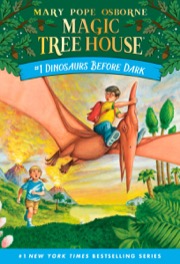
Magic Tree House Series by Mary Pope Osborne
The evergreen entry point for chapter readers. Each book whisks Jack and Annie to a new time period, keeping the premise fresh across dozens of volumes.
KidsBookCheck Composite Score: 62.9 | Kid: 65 | Parent: 55 | Teacher: 67
Why it works: Teachers love the nonfiction-infused narratives and historical accuracy. Parents appreciate the bite-sized chapters and fast pacing. Kids? They race through them. At 120 pages per book, the Magic Tree House series builds reading stamina without overwhelm. Perfect for reading aloud or independent early readers.
Best for: Building confidence in newly independent readers; history enthusiasts.
→ Read the full Magic Tree House review on KidsBookCheck
Captain Underpants by Dav Pilkey (The Adventures of Captain Underpants in the Perilous Plot of Professor Poopypants)
Yes, it’s silly. Yes, that’s exactly the point.
KidsBookCheck Composite Score: 74.2 | Kid: 91 | Parent: 48 | Teacher: 78
Why it works: This is a masterclass in what happens when you meet kids where they are. Captain Underpants carries a remarkable 91 kid score—kids genuinely want to read these books. Teachers recognize Pilkey’s structural innovation (dialogue, comics, repetition) as reading instruction disguised as fun. If your kid is a reluctant reader, this is your summer opener. Pair it with something more literary later in the summer for balance.
Best for: Reluctant readers; kids who love humor and silliness; building reading momentum.
Narwhal and Jelly: A Friendship by Ben Clanton
Bite-sized picture-chapter hybrid for the 5-7 crowd who want stories with more structure.
*Why it works: Gentle humor, lovable characters, and the reassurance of friendship. Perfect for read-alouds or early independent readers.
Best for: Sweet, character-driven stories; early readers.
Ages 7–9: The Breakout Year
This is where independent reading really takes off. Kids can handle chapter books with plot twists, humor that’s a bit more complex, and protagonists they can root for over 200+ pages.
Wings of Fire Series by Tui T. Sutherland (Book 1: The Dragonet Prophecy)
Dragons, prophecy, and a richly built world. This series has become a staple of middle-grade reading, and for good reason.
KidsBookCheck Composite Score: 64.9 | Kid: 76 | Parent: 50 | Teacher: 65
Why it works: Kids adore this series—the 76 kid score reflects genuine enthusiasm. The world-building is intricate enough to keep even strong readers engaged, and the narrative structure (rotating POV between dragonets) teaches sophisticated storytelling. Parents sometimes worry about the battle scenes, but teachers recognize the books’ strong themes about prejudice, identity, and loyalty.
Best for: Fantasy fans; kids who love ensemble casts and world-building.
→ Read KidsBookCheck’s full Wings of Fire review
Dork Diaries by Rachel Renée Russell (Book 1)
Part diary, part comic strip, entirely relatable. Nikki Maxwell captures the exact awkwardness of middle school.
KidsBookCheck Composite Score: 64.5 | Kid: 75 | Parent: 54 | Teacher: 61
Why it works: The format (text + drawings) appeals to visual learners and reluctant readers alike. Kids see themselves in Nikki’s social mishaps and diary-style confessions. The series has devoted fans, and for good reason—it makes reading feel like sharing secrets with a friend.
Best for: Fans of diary-style narratives; kids navigating social drama; visual learners.
Amulet Series by Kazu Kibuishi (Book 1: The Stonekeeper)
A gorgeous gateway into graphic novels and fantasy. Stunning illustrations paired with genuine stakes and world-building.
KidsBookCheck Composite Score: 72.3 | Kid: 75 | Parent: 69 | Teacher: 72
Why it works: The hybrid format (text + full-color illustrations on nearly every page) feels like a premium experience. Kibuishi’s world has depth: the Stonekeeper’s Curse, the sentient creatures, the family mystery. Teachers appreciate the craftsmanship. Parents love that it’s genuinely beautiful to look at. Kids get completely absorbed.
Best for: Visual storytellers; fantasy fans; kids building a graphic novel habit.
Diary of a Wimpy Kid by Jeff Kinney (Book 5: The Last Straw)
The series that made middle-grade funny accessible to millions.
KidsBookCheck Composite Score: 74.1 | Kid: 75 | Parent: 73 | Teacher: 74
Why it works: The Wimpy Kid books are a summer staple for good reason. Greg Heffley’s voice is authentic, the humor lands for kids and adults alike, and the illustrations break up the text in a way that keeps pages turning. The Last Straw tackles Greg’s growing pains and his dad’s attempts to toughen him up — honest without being preachy.
Best for: Series completionists; kids who love social comedy; fans of visual humor.
Ages 9–11: Deep Dives
Readers at this level are ready for books with real emotional weight, complex protagonists, and narratives that linger after the final page.
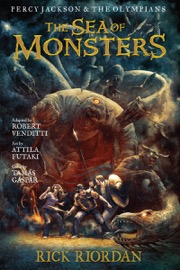
Percy Jackson & The Olympians by Rick Riordan (Book 2: The Sea of Monsters)
Mythology for the YouTube generation. Fast, funny, and built on genuine world-building.
KidsBookCheck Composite Score: 66.8 | Kid: 74 | Parent: 56 | Teacher: 68
Why it works: Riordan nailed the formula: action-driven plot, contemporary voice, mythological scaffolding that sneaks education into entertainment. Kids score this high because they care about Percy, Annabeth, and Grover. Teachers appreciate the mythology integration and the representation. Parents may find the plot breakneck, but that’s the feature, not the bug.
Best for: Mythology lovers; action-adventure readers; kids who love ensemble casts.
Wonder by R.J. Palacio
The book that taught kindness lessons without preaching.
KidsBookCheck Composite Score: 72.1 | Kid: 64 | Parent: 77 | Teacher: 78
Why it works: Wonder is a rare book that resonates equally with kids (who love Auggie) and adults (who are often moved to tears by the multi-perspective narrative). The kid score of 64 is lower than some on this list, but don’t let that fool you—this book has real emotional heft. Teachers adore it for its lessons about perspective and empathy. Parents often pick this one for the deeper conversations it starts.
Best for: Empathy-building; kids tackling difference and belonging; family discussions.
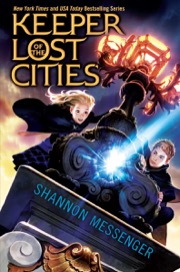
Keeper of the Lost Cities by Shannon Messenger (Book 1)
A gorgeous high-fantasy adventure with a brilliant heroine and a world that expands with each installment.
KidsBookCheck Composite Score: 70.6 | Kid: 79 | Parent: 63 | Teacher: 67
Why it works: Sophie’s discovery that she’s not human and has been hidden away sets up a premise that keeps the pages flying. Messenger builds a richly detailed world—the Lost Cities, the different types of elves, the magic system. Kids give this a 79 because Sophie is genuinely interesting and the pacing is relentless. This is a series that demands continuation, making it perfect for summer deep-dives.
Best for: High-fantasy fans; kids who love detailed world-building; series completionists.
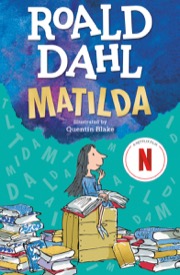
Matilda by Roald Dahl
The gold standard of empowering heroines. A girl, a library, and the power of reading.
KidsBookCheck Composite Score: 76.7 | Kid: 77 | Parent: 77 | Teacher: 76
Why it works: This is one of those rare books that scores almost identically across all three scorecards. Kids connect with Matilda’s love of reading and her power over adversity. Parents appreciate Dahl’s wit and the underlying message about the transformative power of books. Teachers recognize it as literature. It’s funny, it’s empowering, and it’s perfect for summer.
Best for: Book lovers; kids finding their power; fans of Roald Dahl’s wit.
Ages 11–13: Challenge Reads
These readers are ready for deeper themes, more complex narratives, and books that ask them to think. They’re on the cusp of YA but not quite there—these picks honor that in-between stage.
The Hobbit by J.R.R. Tolkien
The gateway to epic fantasy.
KidsBookCheck Composite Score: 71.0 | Kid: 71 | Parent: 70 | Teacher: 72
Why it works: Bilbo Baggins’ journey from reluctant homebody to unlikely hero is a masterpiece of character arc. The prose is rich without being impenetrable for this age group. Teachers love the linguistic depth and the mythic structure. Kids connect with Bilbo’s vulnerability and growth. This is a book that rewards re-reading and lingers in the imagination.
Best for: Fantasy purists; kids ready for “real” fantasy; readers who enjoy worldbuilding and adventure.
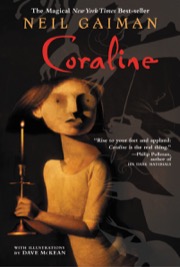
Coraline by Neil Gaiman
A ghost story with staying power. Dark, imaginative, genuinely unsettling in the best way.
KidsBookCheck Composite Score: 76.5 | Kid: 72 | Parent: 78 | Teacher: 81
Why it works: Coraline is the book that introduces many kids to the idea that children’s literature doesn’t have to be safe to be powerful. Gaiman’s prose is immaculate. Teachers give this the second-highest teacher score on our entire list (81) because of its craft and its honest reckoning with childhood isolation and bravery. Parents appreciate that it’s genuinely creepy but not gratuitously so. Kids find it thrilling.
Best for: Readers ready for darker themes; kids who love atmospheric storytelling; Gaiman fans.
A Wrinkle in Time by Madeleine L’Engle
A classic that still hits. Time, dimension, and the power of love as a cosmic force.
KidsBookCheck Composite Score: 71.5 | Kid: 70 | Parent: 72 | Teacher: 73
Why it works: This book asks big questions and trusts readers to sit with complexity. The science-fiction framework feels fresh even in 2026. Teachers recognize it as foundational literature. Parents love its message about being yourself. Kids who connect with it—who understand that being different is actually a superpower—feel seen.
Best for: Sci-fi curious readers; kids who love philosophical depth; fans of classic literature.
Tuck Everlasting by Natalie Babbitt
A meditation on mortality, love, and what it means to be alive. Smaller in page count but enormous in heart.
KidsBookCheck Composite Score: 75.9 | Kid: 63 | Parent: 84 | Teacher: 85
Why it works: Here’s another book with a significant disparity between kid and parent/teacher scores—but that disparity tells a beautiful story. Kids (63) may find the pacing slower than action-driven picks, but parents and teachers recognize it as nearly perfect literature. The message—that life has value because it’s finite—is profound. This is a book that changes perspective. Read it if you’re ready for serious, important conversations.
Best for: Kids ready for philosophical depth; family read-alouds; discussions about mortality and meaning.
Filling Your Summer Reading List: The Full 15
Here’s where all our picks live together:
| Book | Author | Age Range | Kid Score | Composite | Best For |
|---|---|---|---|---|---|
| Magic Tree House | Mary Pope Osborne | 5-7 | 65 | 62.9 | New chapter readers |
| Captain Underpants | Dav Pilkey | 5-7 | 91 | 74.2 | Reluctant readers |
| Wings of Fire | Tui T. Sutherland | 7-9 | 76 | 64.9 | Fantasy fans |
| Dork Diaries | Rachel Renée Russell | 7-9 | 75 | 64.5 | Social comedy lovers |
| Amulet: The Stonekeeper | Kazu Kibuishi | 7-9 | 75 | 72.3 | Graphic novel fans |
| Diary of a Wimpy Kid: The Last Straw | Jeff Kinney | 7-9 | 75 | 74.1 | Humor lovers |
| Percy Jackson & The Sea of Monsters | Rick Riordan | 9-11 | 74 | 66.8 | Mythology lovers |
| Wonder | R.J. Palacio | 9-11 | 64 | 72.1 | Empathy builders |
| Keeper of the Lost Cities | Shannon Messenger | 9-11 | 79 | 70.6 | High-fantasy fans |
| Matilda | Roald Dahl | 9-11 | 77 | 76.7 | Book lovers |
| The Hobbit | J.R.R. Tolkien | 11-13 | 71 | 71.0 | Epic fantasy fans |
| Coraline | Neil Gaiman | 11-13 | 72 | 76.5 | Dark fantasy lovers |
| A Wrinkle in Time | Madeleine L’Engle | 11-13 | 70 | 71.5 | Sci-fi curious |
| Charlotte’s Web | E.B. White | 6-10 | 64 | 74.8 | All ages |
| Tuck Everlasting | Natalie Babbitt | 11-13 | 63 | 75.9 | Philosophical readers |
The Summer Reading Survival Guide
You don’t need to read all 15 books this summer. You need the right books for your kid, read at a sustainable pace. Here’s how KidsBookCheck recommends you approach it:
The One-Book-Per-Two-Weeks Framework
Most kids can comfortably finish one book every two weeks during summer. That’s 12 weeks, three books. For a 10-week summer break, aim for 5 books. Quality over quantity, always.
Mix Easy with Stretch
Don’t stack your summer with challenge reads. Alternate: a fast, high-kid-score book (Captain Underpants, Dork Diaries) with something meatier (Coraline, Matilda). This keeps momentum alive while building reading muscle.
Understand the Score Spreads
Our books show you something interesting: some have huge gaps between kid and parent scores. Captain Underpants (91 kid, 48 parent) is hilariously imbalanced—kids love it, but parents may find it silly. That’s not a flaw; that’s information. Use it. If your kid is a reluctant reader, start with high-kid-score books. If you want literary substance, lean toward the high-teacher scores (Coraline at 81, Charlotte’s Web at 81, Tuck Everlasting at 85).
The sweet spot? Books like Matilda, Amulet, and Diary of a Wimpy Kid that score high across all three—kid appeal AND parent/teacher approval.
Audiobooks Count
Summer is for road trips, gardening, and yard work. Audiobooks are reading too. Audible, library apps, podcasts—if your kid is engaged with the story, it counts. Some kids find audiobooks more accessible, and that’s a feature, not a workaround.
Join Your Library’s Summer Program
Most libraries run summer reading challenges with incentives. It’s not about gamification for guilt—it’s about community and free books. Check with your local library about challenges, author events, or reading clubs.
The Social Aspect Matters
Book clubs, buddy reading, talking about what they’re reading—these are features of summer reading, not bugs. If your child reads Diary of a Wimpy Kid and shares it with a friend, that’s building a reading community.
Finding Your Perfect Summer Read
Not sure where to start? Take KidsBookCheck’s quiz to get personalized recommendations based on your child’s age, reading level, and interests. Our algorithm takes all three scorecard perspectives into account to find books your kid will actually want to read—while still getting educational substance.
Learn more about how KidsBookCheck’s three-scorecard system works
Frequently Asked Questions
Q: My 8-year-old loved Captain Underpants but won’t touch anything else. What now?
A: Captain Underpants is a gateway drug to reading—use it. Build on the humor with Diary of a Wimpy Kid (slightly more sophisticated humor), then Dork Diaries (visual + diary format). Captain Underpants’ 91 kid score shows your child has the reading ability; now it’s about expanding their comfort zone gradually. Many reluctant readers find success in this progression.
Q: Is Coraline too scary for my 11-year-old?
A: It depends on your kid’s tolerance for atmospheric creepiness. Coraline is unsettling but not gratuitously violent or gory. The stakes matter, but it’s not a horror book. If your child enjoys mystery or enjoyed The Hobbit, they’re probably ready. If they had nightmares from Harry Potter’s Prisoner of Azkaban, maybe wait a year. Trust your instinct.
Q: Can 10-year-olds read The Hobbit?
A: Absolutely—some will thrive on it, others may find it slow. The Hobbit is rich with detail and adventure, but Tolkien’s prose moves at its own pace. If your child loves detailed world-building and doesn’t mind slower pacing, they’re ready. Pair it with something faster-paced to alternate.
Q: My kid is a “one series” reader—they read the entire Percy Jackson series and won’t read anything else. Is that okay?
A: Yes. Building a reading habit is the goal. Series readers are reading a lot—page-wise, they may read more than kids jumping between standalone books. Support the series obsession while gently introducing adjacent reads: if they love Percy Jackson, they might enjoy Wings of Fire or Keeper of the Lost Cities next.
Q: How do I balance summer fun with reading goals?
A: Summer slide is real, but so is summer burnout. One book every two weeks is sustainable. Some weeks they’ll finish in five days; other weeks it’ll take three. Flexibility is key. The goal is keeping the reading habit alive so September doesn’t feel like starting from zero.
Q: Should I make reading a summer requirement?
A: Required reading is a conversation ender. Instead, make books available and interesting. Talk about what you’re reading. Go to the library together. Create a cozy reading nook. Let them choose the next book (with your input). Summer reading should feel like a choice, not a chore.
Your Summer Reading Starts Now
You have 15 brilliant books waiting. You have a framework that works. You have scores that take the guesswork out of recommendations.
The last piece? Permission to be imperfect. Your kid won’t read 15 books this summer. They’ll read three, maybe five. They’ll abandon one halfway through. They’ll read one book three times because they love it so much. That’s summer reading done right.
Start with your child’s age band. Pick one or two high-kid-score books and one with substance. Head to the library or order from Amazon. Take our quiz for personalized recommendations.
And if you get stuck—if you’re unsure whether a book is right for your 9-year-old or you want more details on any pick—KidsBookCheck has detailed reviews with parent, kid, and teacher perspectives for every book on this list.
Happy reading this summer. You’ve got this.
JSON-LD Schema (Article + FAQPage + BreadcrumbList)
<!--
<script type="application/ld+json">
{
  "@context": "https://schema.org",
  "@graph": [
    {
      "@type": "Article",
      "headline": "Summer Reading List 2026: 15 Books Kids Will Actually Want to Read",
      "description": "Curated summer reading list 2026 for kids ages 5-13. KidsBookCheck's top book picks ranked by kid appeal and educational value.",
      "image": "https://kidsbookcheck.com/images/blog/summer-reading-list-2026.png",
      "datePublished": "2026-03-25",
      "dateModified": "2026-03-25",
      "author": {
        "@type": "Organization",
        "name": "KidsBookCheck Team",
        "url": "https://kidsbookcheck.com"
      },
      "publisher": {
        "@type": "Organization",
        "name": "KidsBookCheck",
        "url": "https://kidsbookcheck.com",
        "logo": {
          "@type": "ImageObject",
          "url": "https://kidsbookcheck.com/logo.png"
        }
      },
      "mainEntity": {
        "@type": "Article",
        "name": "Summer Reading List 2026: 15 Books Kids Will Actually Want to Read"
      }
    },
    {
      "@type": "FAQPage",
      "mainEntity": [
        {
          "@type": "Question",
          "name": "My 8-year-old loved Captain Underpants but won't touch anything else. What now?",
          "acceptedAnswer": {
            "@type": "Answer",
            "text": "Captain Underpants is a gateway drug to reading—use it. Build on the humor with Diary of a Wimpy Kid (slightly more sophisticated humor), then Dork Diaries (visual + diary format)."
          }
        },
        {
          "@type": "Question",
          "name": "Is Coraline too scary for my 11-year-old?",
          "acceptedAnswer": {
            "@type": "Answer",
            "text": "It depends on your kid's tolerance for atmospheric creepiness. Coraline is unsettling but not gratuitously violent or gory. Trust your instinct on your child's readiness."
          }
        },
        {
          "@type": "Question",
          "name": "Can 10-year-olds read The Hobbit?",
          "acceptedAnswer": {
            "@type": "Answer",
            "text": "Absolutely—some will thrive on it, others may find it slow. If your child loves detailed world-building and doesn't mind slower pacing, they're ready."
          }
        },
        {
          "@type": "Question",
          "name": "My kid is a 'one series' reader. Is that okay?",
          "acceptedAnswer": {
            "@type": "Answer",
            "text": "Yes. Building a reading habit is the goal. Series readers often read more pages overall than kids jumping between standalones. Support the obsession while gently introducing adjacent reads."
          }
        },
        {
          "@type": "Question",
          "name": "How do I balance summer fun with reading goals?",
          "acceptedAnswer": {
            "@type": "Answer",
            "text": "One book every two weeks is sustainable. Flexibility is key. The goal is keeping the reading habit alive so September doesn't feel like starting from zero."
          }
        }
      ]
    },
    {
      "@type": "BreadcrumbList",
      "itemListElement": [
        {
          "@type": "ListItem",
          "position": 1,
          "name": "Home",
          "item": "https://kidsbookcheck.com"
        },
        {
          "@type": "ListItem",
          "position": 2,
          "name": "Blog",
          "item": "https://kidsbookcheck.com/blog"
        },
        {
          "@type": "ListItem",
          "position": 3,
          "name": "Summer Reading List 2026",
          "item": "https://kidsbookcheck.com/blog/summer-reading-list-2026"
        }
      ]
    }
  ]
}
</script>
-->