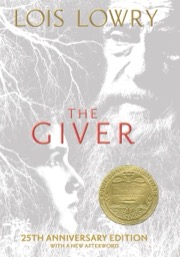
Is The Giver Appropriate for 10-Year-Olds? What Parents S...
Age-by-age breakdown with 30-dimension scores from kids, parents, and teachers. Find out if this book is right for your child. Trusted picks. Trusted picks.
The Short Answer: Yes, But With Important Caveats
The Giver is technically appropriate for 10-year-olds—it’s written at a 6th-grade reading level with accessible prose, and the publisher markets it for ages 10-14. But here’s what parents need to know: the book’s real challenge isn’t vocabulary, it’s the emotional and philosophical weight of its themes. A 10-year-old who loves reading might handle the text easily while struggling with its exploration of euthanasia, emotional suppression, and what it means to be human. Conversely, a mature 10-year-old who processes abstract ideas well could find it absolutely transformative.
Our KidsBookCheck Verdict: 10+ for strong, independent readers; 11+ for typical readers; best at 12+ for maximum understanding. Works beautifully as a read-aloud for ages 9+ with parent discussion.
Why Parents Get Concerned: Two Moments That Change Everything
If you’re wondering why The Giver generates such passionate debate among parents, two specific revelations explain it:
Moment 1: What “Release” Really Means
By chapter 18, Jonas learns something that reframes the entire story. The community’s euphemism “Release”—used for aging-out citizens, newborns deemed imperfect, and people who break rules—doesn’t mean relocation to “Elsewhere.” It means euthanasia. The book doesn’t linger on graphic details, but it’s direct: Jonas’s caretaker literally injects an infant with a lethal substance, places the body in a trash chute, and moves on with her evening.
This moment will hit your 10-year-old differently depending on their age, temperament, and how they process death and ethics. Some kids recognize it as a cautionary tale about how good people can normalize atrocity. Others find it deeply disturbing. Neither response is wrong—but you’ll want to be prepared to discuss it.
Moment 2: The Loss of Emotion and Color
Throughout the novel, Jonas awakens to a harsh truth: his community has systematically suppressed human emotion and sensory experience. Citizens take pills to control “stirrings” (sexual and emotional awakening). They cannot see color. They experience no anger, no passion, no grief. What feels like peaceful order is actually profound loss.
For some 10-year-olds, this concept provokes philosophical wonder: “Wait, is that really better?” For others, the idea that an authority figure could make you unable to feel things triggers anxiety about control and autonomy.
Again, neither response is wrong—but this is a conversation starter you should expect.
The KidsBookCheck Score Breakdown
Before we go deeper, here’s how The Giver scores across our parent and teaching metrics:
KBC Parent Score: 79/100
- Exceptional writing quality (P2: 10/10)
- Profound moral reasoning development (P4: 9/10)
- Powerful parent-child conversation starter (P10: 9/10)
KBC Kid Score: 55/100 This gap tells the story: kids find the book thoughtful but slow. The first half is deliberately paced—lots of careful observation and daily routines. The action picks up in the final chapters, but this isn’t a page-turner for most young readers.
What This Means: The Giver rewards readers who can sit with philosophical questions and delayed gratification. It punishes readers who need immediate hooks and constant action.
Content Profile: What Your 10-Year-Old Will Actually Encounter
Themes Your Child Will Process:
- Individual choice vs. collective safety
- What makes life meaningful
- How good intentions can cause harm
- The relationship between emotion and humanity
- Why memories matter
The Reading Experience: The book unfolds in three distinct phases. Chapters 1-8 establish the community’s rules and Jonas’s acceptance of them. Nothing seems wrong; it all seems orderly and safe. A child reading this phase might think, “This is kind of boring.”
Chapters 9-15 are where The Giver transmits memories to Jonas, and the narrative deepens emotionally. Jonas receives memories of color, music, pain, and love. A child in this phase usually begins staying up past bedtime, unable to put the book down.
Chapters 16-23 accelerate toward crisis as Jonas recognizes that the system he’s accepted is fundamentally broken, and he must choose: stay safe or act on his new knowledge. This phase is emotionally intense.
Language & Complexity: The Lexile score is 730L, putting it squarely in accessible middle-grade territory—sentence structures are clear, vocabulary isn’t archaic, and there’s no purple prose. But the conceptual difficulty is high. Lois Lowry uses simple language to explore complex ideas: What is consciousness? Can safety exist without choice? Is suffering necessary for meaning? These are not questions your 10-year-old can dodge.
Age-by-Age Breakdown: Where Your Child Fits
| Age | Readiness | Notes |
|---|---|---|
| 9 years | Read-aloud only | Strong readers interested in dystopian ideas; needs substantial parent processing of Release and emotion themes. Brief chapters support read-aloud format. |
| 10 years | Independent (selective) or read-aloud | Accessible reading level for strong readers; typical readers may find pacing slow. Content is manageable for emotionally mature kids; others may need support. 50/50 on whether they’ll finish independently. |
| 11 years | Independent (most kids) | Sweet spot for independent reading. Reading ability is strong enough; emotional maturity usually supports understanding. Philosophical questions feel age-appropriate rather than disturbing. |
| 12-13 years | Independent (strong engagement) | Optimal age. Kids can engage with ambiguous ending, recognize systems thinking, and discuss themes with sophistication. Often becomes favorite book. |
| 14+ years | Independent (continued depth) | High school readers find additional layers—historical parallels, ethical philosophy, craft analysis. Remains engaging as reread. |
Reading Level Table
| Metric | Score | What It Means |
|---|---|---|
| Lexile Level | 730L | 5th-6th grade reading level; sentence structure and vocabulary are accessible |
| Guided Reading Level | W | Grades 5-6; appropriate for strong readers at those grades |
| ATOS Score | 5.7 | Advanced 5th grader (month 7) through 7th grade |
| Interest Level | Ages 10+ | Content pitched at middle-grade readers; depth extends to adult readers |
| Emotional Maturity Required | Ages 11+ | Understanding themes fully requires maturity beyond reading ability |
| Best Independent Reading | Ages 11-13 | Peak age range for reading + comprehension + emotional processing |
Translation: Your 9-year-old can read it if they’re a strong reader, but may need your support. Your 10-year-old might finish it independently but may want to discuss chapters as they go. Your 11-13-year-old is in the optimal window. Your 14+ reader will find unexpected depth.
How The Giver Compares to Other Thought-Provoking Middle-Grade Books
If you’re trying to decide whether The Giver is right for your child, it helps to see how it stacks up:
| Book | Reading Level | Dystopian? | Emotional Weight | Best Age | Why Compare |
|---|---|---|---|---|---|
| The Giver | 730L (5-6) | Yes (subtle) | High | 11-13 | Philosophical, slow-burn, thoughtful |
| A Wrinkle in Time | 700L (5-6) | No | Medium | 10-12 | Similar reading level; more fantastical; less dark |
| The Hunger Games | 750L (5-6) | Yes (explicit) | Very High | 12-14 | Same dystopian category; much more action/violence |
| Hatchet | 650L (4-5) | No | Medium | 9-12 | Survival story; action-driven; less philosophical |
| Chains (Anderson) | 740L (5-6) | Historical | High | 11-13 | Historical dystopia; explicit inequality; strong voice |
| The Wild Robot | 710L (5-6) | Post-apocalyptic | Medium | 9-12 | Gentler tone; nature-focused; less emotionally heavy |
The Key Difference: The Giver is the most philosophically challenging of this group. It asks the biggest “why” questions and offers ambiguous answers. If your child prefers plot-driven stories, they might appreciate The Hunger Games more. If they love character development and meaning-making, The Giver is the better choice.
The 2014 Film: Should Your 10-Year-Old Watch It?
The 2014 film adaptation—starring Jeff Bridges as The Giver and Brenton Thwaites as Jonas—is rated PG-13, which means parental guidance is suggested for children under 13. Here’s why:
More Explicit Than the Book:
- The film shows the lethal injection scene more vividly; an infant is euthanized on screen
- A man is shot and killed during a war memory (blood is visible)
- Jonas punches his friend in the face
- An attacker jumps out of a tree and Jonas shoots him
- The visual suppression of color is less subtle than the book’s literary approach
What Parents Should Know: The film amplifies the book’s darker elements through cinematography and explicit scenes. If your 10-year-old hasn’t read the book, the film will likely be too intense; if they’ve read the book, they’ll understand the context, but the visuals may still be disturbing.
Our Recommendation:
- Ages 9-11: Read the book first, then watch the film together with discussion ready
- Ages 12+: Film is appropriate after reading the book
- Never show the film first without the book’s context; it’s too visually explicit
Common Sense Media rates the film as appropriate for ages 13+ due to thematic content.
Parent Empathy Moments: What You Should Prepare For
Here are the moments where your child might need you most:
“Why would anyone want to live in a world without emotions?” Jonas’s struggle—realizing his safe, ordered community achieved peace by suppressing everything that makes life meaningful—might hit your child unexpectedly. A thoughtful 10-year-old might spiral into “What if that happens to me?” anxiety. Your role: help them see this as a cautionary tale, not a prophecy. Discuss why feeling things—joy, sadness, anger, love—are what make us human.
“Is it wrong that they release people?” Your child might defend the community’s logic: “Well, there are too many old people, and imperfect babies would suffer…” This isn’t heartlessness; it’s philosophical reasoning. Your role: help them think through the implications. “If we can kill people to make society better, where does it stop?” This conversation teaches ethical complexity, not just “euthanasia = always bad.”
The Ambiguous Ending Jonas runs away with Gabe toward lights and music at the bottom of a snowy hill. Did he escape to Elsewhere? Did he freeze to death imagining his dying thoughts? Is it both? Many 10-year-olds will want a clear answer. Your role: validate that wanting closure is normal, then explore what the ambiguity reveals. “Why might Lowry have written it this way? What does it mean for the reader?”
Bottom Line: Is The Giver Right for Your 10-Year-Old?
Yes, if your child:
- Loves reading and finishes chapter books in a week or two
- Asks philosophical questions naturally (“Why do people need to feel sad?”)
- Handles ambiguous endings without distress
- Has processed loss or difficult concepts before (death, fairness, authority)
- Enjoys talking about what they read
- Isn’t easily disturbed by themes of control or emotional suppression
Maybe, if your child:
- Is a solid reader but prefers plot-driven stories
- Gets bored easily with slower pacing
- Tends to worry about scary concepts
- Hasn’t read much science fiction or dystopian literature yet
Not yet, if your child:
- Is still reading chapter books like Cam Jansen or Junie B. Jones
- Becomes anxious about control or authority
- Needs stories with clear, happy endings
- Prefers humor and action to philosophy and emotion
The Real Question: Not “Is The Giver appropriate for 10-year-olds?” but rather “Is The Giver appropriate for your 10-year-old?” If you’re asking this question, you probably know your child well enough to answer it. The book’s genius is that it works for readers at vastly different developmental levels—but it works differently for each. A 10-year-old might find it disturbing; an 11-year-old might find it transformative. Both responses are valid.
Explore our complete 30-dimension analysis for detailed kid, parent, and teacher scores with specific reasoning.
Frequently Asked Questions
How long does it take to read?
The book is 208 pages with short chapters. A strong reader can finish in 3-4 days. A typical reader takes 1-2 weeks. Some readers return to the final chapters repeatedly, trying to interpret them. Budget time for discussion—this book doesn’t let go quietly.
Does my child need to read the sequels?
No. The Giver stands alone beautifully. The sequels (Gathering Blue, Messenger, Son) explore the world from different perspectives and timelines, but they’re not required. Many readers are satisfied with the first book’s ambiguous ending. If your child wants more, the sequels are appropriate for ages 11+.
What if my child doesn’t finish it?
That’s okay. Some kids put it down because they’re not ready for it yet—and that’s fine. The book will still be there at 11 or 12. Forcing a child to finish a book that’s emotionally challenging can sour them on reading. If they abandon it, ask gently: “What wasn’t working?” The answer tells you whether to revisit later or try a different book.
How do I discuss the euthanasia themes without being preachy?
Let the book do the work. Ask: “What did you notice about what Release really means? How did Jonas feel when he found out?” Listen more than you talk. Your child’s questions will guide the conversation. You’re not trying to teach a lesson; you’re helping them process what they’ve read.
Is the writing quality worth the heavy themes?
Yes. The Giver won the Newbery Medal for a reason. Lois Lowry’s prose is precise, controlled, and thematically perfect—the style mirrors the content (simple language to explore complex ideas; emotional restraint that breaks at exactly the right moments). It’s a mentor text in most writing classrooms. If your child has a teacher recommending it, the writing quality is absolutely part of why.
What comes after The Giver?
After finishing, readers often want to discuss the ending endlessly, explore the themes through conversation or writing, and sometimes read companion books that offer other perspectives on the world. Some readers dive into other dystopian literature (The Hunger Games, Divergent, The 5th Wave). Others need time to process before moving on. Follow your child’s lead.
Take Our Age Recommendation Quiz
Still unsure? Take our quick quiz to get a personalized age recommendation based on your child’s reading level, emotional maturity, and book preferences. We’ll match The Giver against other options and help you decide if now is the right time.
Learn More About How We Rate Books
Our KidsBookCheck methodology considers reading level, emotional content, thematic sophistication, and kid engagement. Here’s how our scoring works and why The Giver scores higher for parents and teachers than for kids.
Find The Giver at Your Library or Bookstore
Search for The Giver on Amazon (affiliate link helps support KidsBookCheck)
Check your library’s catalog for free access
More Age-Check Articles You Might Find Helpful
- Is A Wrinkle in Time Appropriate for Your Kids?
- Is The Hunger Games Too Violent for Middle Schoolers?
- Best Dystopian Books for Young Readers
- How to Know When Your Child Is Ready for YA
The Final Word
The Giver is appropriate for 10-year-olds in the technical sense—they can read it and often will understand the plot. But appropriateness is about more than reading level. It’s about emotional readiness, philosophical maturity, and your individual child’s needs. A 10-year-old who loves philosophy and processing big ideas might be transformed by this book. A 12-year-old who isn’t ready for moral ambiguity might find it unsettling. Age is a starting point, not a destination.
The magic of The Giver is that it meets readers where they are—and asks them to move beyond where they started. That’s why it’s remained a cornerstone of middle-grade literature for over 30 years, and why parents and teachers keep asking the same question: “Is it right for my child?”
The answer: only you know. But we hope this guide gives you the information to decide with confidence.
Citation: Lowry, Lois. The Giver. Houghton Mifflin, 1993.