Is Captain Underpants Appropriate for 6-Year-Olds? Honest...
Captain Underpants works for confident 6-year-old readers who love potty humor, but the publisher recommends age 7+. Our honest breakdown for parents.
Quick Verdict
Captain Underpants works for most 6-year-olds—but only if they’re confident readers and you’re comfortable with potty humor. The publisher recommends age 7+, and our rating data backs that up: it’s a solid fit for ages 7–10. That said, strong first-grade readers (6-year-olds) who love comics and bathroom jokes often fly through this book. The real consideration isn’t whether your 6-year-old can read it, but whether you want them laughing at fart jokes for 124 pages.
What Is Captain Underpants, Anyway?
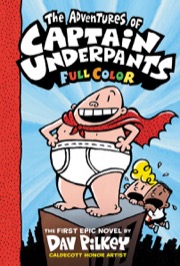
Dav Pilkey’s The Adventures of Captain Underpants (Book 1, 1997; updated edition 2020) tells the story of two fourth-grade best friends—George Beard and Harold Hutchins—who create a comic book about a superhero called Captain Underpants. Through accidental hypnosis, their comic-book creation becomes real when their principal, Mr. Krupp, suddenly transforms into this ridiculous underwear-wearing hero. Chaos, humor, and friendship adventures follow as they save their school from a villain with a giant robot.
The book is 124 pages long, illustrated on nearly every page, and includes “Flip-O-Rama” animations—a signature Pilkey feature where readers flip pages to create an animation effect. It’s designed to feel like a comic book that talks back to you: playful, irreverent, and unapologetically silly.
The Big Picture: Kids vs. Parents (And Why It Matters)
Here’s something fascinating about Captain Underpants: kids and parents experience this book in almost completely different ways.
Our KidsBookCheck scoring system reveals a 29-point gap between what kids think of this book (78/100) and what parents think (49/100). That’s one of the largest gaps we see. Kids find it hilarious and impossible to put down. Parents see entertainment value but worry about the educational content and humor style.
This gap is important context for deciding whether it’s right for your specific 6-year-old.
Kids score it highly because:
- It’s relentlessly funny (they score the “laugh-out-loud” factor at 10/10)
- Characters have distinct, quotable voices (“Tra-la-laaaa!”)
- Flip-O-Rama and illustrations create a multi-sensory reading experience
- It feels like permission to be silly and creative
Parents score it lower because:
- Vocabulary development is minimal (intentionally simple language)
- Emotional depth is nearly absent
- Educational value is limited
- Authority figures are mocked rather than respected
For a 6-year-old, this matters. If you’re hoping for vocabulary building or deeper stories, this isn’t it. If you want your child to feel entertained, engaged, and eager to keep reading, this absolutely delivers.
Content Profile: What Your 6-Year-Old Will Actually Read
The Themes
Captain Underpants works with four core ideas:
-
Friendship is powerful. George and Harold’s bond drives every action. They create together, get in trouble together, and solve problems as a team. It’s a genuine portrait of elementary friendship.
-
Imagination has real consequences. The comic they invent becomes reality. This is subtly powerful: kids learn that their creative ideas matter and can change things.
-
Creativity unlocks solutions. When chaos erupts, George and Harold improvise and invent. Creativity isn’t a hobby—it’s a survival tool.
-
Rule-breaking has consequences. George and Harold break rules (making comics in class, hypnotizing the principal), and they face detention as a result. This theme exists but doesn’t dominate.
Heads Up: What Might Concern You
Heavy potty humor. This isn’t buried or occasional. Fart jokes, toilet references, underwear focus, and “pee-pee” language are on nearly every page. If your 6-year-old has outgrown this type of humor or if you find it annoying, this is your primary barrier. One parent wrote about learning “the value of following suggested age ranges” because their 6-year-old became obsessed with potty jokes after reading it.
Authority figures are mocked. Mr. Krupp (the principal) is portrayed as ridiculous, angry, and out-of-touch. The book doesn’t respect authority so much as laugh at it. Some parents love this; others worry it sends the wrong message.
Mild violence. Robots crash, characters are hit by hypnotic powers, and there’s slapstick fighting. It’s comedic, not graphic, but it is present. Nothing graphic or disturbing, but action-heavy.
Hypnosis and mind control. The plot hinge on hypnotizing the principal. For most kids, this reads as silly. For sensitive or anxious children, the mind-control element might feel unsettling.
Age-by-Age Breakdown: How Different 6-8 Year-Olds Experience This Book
Ages 5–6 (Kindergarten–Early First Grade)
Reading level: Likely too early. Lexile is 720L (grades 2–3 range), which puts it beyond most kindergarteners and early first graders.
Who it works for: Strong first graders (age 6) with solid decoding skills, high interest in comics, and exposure to picture books. A 6-year-old who can read Junie B. Jones chapter books with confidence can probably handle Captain Underpants.
Who it doesn’t work for: Beginning readers or kids who still rely heavily on picture support. Yes, there are lots of illustrations, but they don’t carry the plot alone—you need to read the text to get the full story.
Parent note: If you read it aloud, all bets are off—even 5-year-olds find it hilarious. Many parents report reading this to their kindergarteners and loving the bonding moment, potty jokes and all.
Ages 6–7 (First–Second Grade)
This is the borderline. At age 6, Captain Underpants is either perfect or frustrating, depending on reading level.
- Strong readers: Can manage the text independently. Will zoom through it in a few sittings.
- Average readers: Might struggle with sustained attention and vocabulary, but illustrations help. Works better as a read-aloud.
- Reluctant readers: This is their gateway drug. The humor and Flip-O-Rama animations make reading feel like play, not work.
Content consideration: Age 6 is when potty humor genuinely lands for most kids. If your 6-year-old is still in the “why is that funny?” phase, they might not appreciate the joke density.
Ages 7–8 (Second–Third Grade)
This is the sweet spot. Most 7–8 year-olds read this independently, find it hilarious, and immediately demand the next book in the series. Reading level aligns perfectly; maturity level aligns with the humor. Very few complaints at this age.
Ages 9–10 (Third–Fourth Grade)
Still works, but starting to feel juvenile. Your 9-year-old will probably enjoy it, but they might be moving toward more complex chapter books. Later books in the series add more sophisticated plots, so the progression works well.
Reading Level: The Technical Breakdown
| Metric | Value | What It Means |
|---|---|---|
| Lexile | 720L | Grades 2–3 equivalent; strong first graders can access it |
| Accelerated Reader (AR) | 4.0–4.5 | Fourth-grade reading level; below typical grade 4 to build confidence |
| Guided Reading Level (GRL) | P–Q | Early readers with basic comprehension and some vocabulary challenges |
| DRA | 50 | Early fluent reader; text is predictable with visual support |
| Grade Level | 3–4 | Publisher recommendation: 7+ (typical grade 2) |
| Page Count | 124 | Manageable for chapter-book beginners; with illustrations, not overwhelming |
Translation for 6-year-old parents: If your child is a strong reader in first grade (reading at grade 2–3 level), the text is accessible. The illustrations make it feel less demanding than the Lexile suggests. The real barrier isn’t decoding—it’s sustained attention and humor appreciation.
How Captain Underpants Scores on Our System
This book showcases why the KidsBookCheck rating system matters. Here’s what happens when you look beyond a single number:
Where Kids Go Wild (Scores 9–10)
- First-chapter grab (9/10): Opens with direct address and immediate humor. Kids are hooked by page 1.
- Character voice (10/10): George, Harold, and Captain Underpants are instantly recognizable. Kids can imitate them perfectly.
- Laugh-out-loud (10/10): Funny approximately every 1–2 pages. This isn’t a book with funny moments—it’s a funny book with occasional plot.
- Mental movie (10/10): Illustrations are so vivid that kids can perfectly picture every scene. Pilkey’s visual storytelling is cinematic.
- Playground quotability (10/10): Within days of finishing, your kid will be quoting “Tra-la-laaaa!” and discussing Captain Underpants with peers. Social currency is off the charts.
Where Parents Worry (Scores 2–5)
- Vocabulary builder (2/10): Intentionally simple language. No vocabulary growth. This is by design, not oversight.
- Writing quality (3/10): Functional prose, minimal description. Pilkey prioritizes humor and pacing over literary craft.
- Heart-punch (3/10): Very little emotional depth. This is comedy-first; emotional moments are rare.
- Emotional sophistication (3/10): Characters don’t grow or develop internal complexity. Feelings are simple: happy, scared, triumphant.
- Parent-child conversation starter (5/10): Limited discussion hooks. You could talk about creativity and rule-breaking consequences, but the book doesn’t push you toward those conversations.
The Outlier: Reading Gateway (9/10)
Here’s where parents find unexpected value. This book is exceptional at turning reluctant readers into actual readers. Multiple engagement points—humor, illustrations, interactive Flip-O-Rama, short chapters—make reading feel like play. For a 6-year-old who resists reading, this might be the book that changes everything.
Comparison Table: Similar Books for 6-Year-Old Readers
| Book | Tone | Humor Style | Illustrations | Best Age | Key Difference |
|---|---|---|---|---|---|
| Captain Underpants | Absurdist, irreverent | Potty, slapstick | Heavy, cinematic | 7–10 (6+ strong readers) | Extreme kid-favorite; minimal parent value |
| Junie B. Jones | Silly, voice-driven | Situational, misunderstandings | Scattered illustrations | 6–8 | Older protagonist, lighter authority-figure respect |
| Ivy + Bean | Adventurous, mischievous | Wordplay, situational | Moderate illustrations | 6–8 | Less crude, more girl-centered, stronger narrative |
| Cam Jansen | Mystery-focused, clever | Wordplay, light humor | Moderate illustrations | 6–9 | Intellectual puzzle-solving instead of comedy |
| Dog Man | Absurdist, silly | Potty humor, visual comedy | Heavy illustrations | 6–9 | Similar Dav Pilkey style; slightly more heart |
The Adaptation Question: Movie and TV
Parent question: “Can my 6-year-old watch the Captain Underpants movie instead?”
Not quite the same experience, but close enough for certain purposes.
Captain Underpants: The First Epic Movie (2017)
DreamWorks Animation released this PG film, featuring voices by Kevin Hart and Ed Helms. It follows the same basic plot as the book but with:
- Added action sequences and visual comedy
- Toned-down (but still present) potty humor
- More character development and emotional beats
- Runtime: 91 minutes (long for a 6-year-old to sit through)
Rating recommendation: PG suggests parental guidance for children under 8. Many parents report showing it to 6-year-olds without issue, but some scenes (mild peril, action) might startle sensitive kids.
vs. the book: The movie hits the humor notes but softens the authority-figure mockery. It’s more kid-friendly but less subversive.
The Epic Tales of Captain Underpants (TV Series)
Netflix (now Peacock, as of January 2026) hosted a four-season series (2018–2020) that served as a sequel to the movie. More sitcom-style humor, less crude, more episodic adventure. Individual episodes are digestible for 6-year-olds; the series is gentler than the book.
Parent note: The Netflix removal (January 2026) means you’ll need Peacock to stream this now.
Two Parent Empathy Moments
Moment 1: The Potty Humor Infiltration
One parent described it perfectly: after reading Captain Underpants, her 6-year-old started narrating life in potty jokes. Everything became a pun. It was funny at first, then exhausting by week three. Here’s what we know: Pilkey intentionally designs this book around potty humor. It’s not a side effect—it’s the core comedy. If you read this with your 6-year-old, accept that potty humor is about to become your family’s comedic lingua franca for 2–4 weeks. Plan accordingly. (It does fade.)
Moment 2: The Authority-Figure Problem
Parents who respect classroom authority worry about Mr. Krupp. He’s portrayed as ridiculous and deserving of mockery. Some parents see this as validating disrespect toward teachers. Here’s the nuance: The book doesn’t say “teachers are bad”—it says “unreasonable authority figures are funny.” Most kids distinguish between Mr. Krupp (a caricature) and their actual teacher (a real person). But if your 6-year-old struggles with authority acceptance, this book might not help. Conversely, if your kid is rule-bound and anxious, seeing authority figures as fallible might be healthy.
Reading Level Data: Academic Standards
How does this align with first-grade standards?
Most first-grade standards focus on decoding, comprehension of simple narratives, and identifying main ideas. Captain Underpants exceeds decoding difficulty (longer text, less repetition than typical first-grade readers) but meets other benchmarks. Comprehension is straightforward—plot is linear, characters are consistent, themes are explicit. A strong first grader can extract meaning, even if they can’t decode fluently without illustrations.
For second grade? This is a perfect independent read. Most second graders will fly through it.
How does it compare to guided reading baselines? Guided Reading Level P–Q places it at the upper end of early fluent readers—which aligns with late first grade to mid-second grade for most children.
The Bottom Line
Can your 6-year-old read Captain Underpants? Probably, if they’re a strong reader (grade 2+ level) and enjoy illustrations and comics.
Should they? That depends entirely on your comfort level with potty humor, your values around authority-figure respect, and whether your kid is ready for books that prioritize entertainment over education.
Is it appropriate? The publisher says 7+, and that’s reasonable. Age 6 is the edge case—it works for some kids, not for others. There’s nothing traumatic or harmful about the content; it’s just that 7-year-olds get the jokes more naturally, and reading level aligns better.
Is it worth it? If your 6-year-old is a reluctant reader or struggles with sustained reading, yes—this book might be transformative. If they’re already a strong reader and love humor, absolutely yes. If you want vocabulary building and emotional depth, this isn’t the choice for age 6 (wait for more complex books in the series, or try other authors).
The reality: Thousands of 6-year-olds read and adore this book. Thousands of parents hand it to their kids and never regret it. A smaller subset of parents feel the potty-humor barrage is too much at age 6. Both experiences are valid.
Ready to Decide?
Before you buy, take our interactive age-check quiz to see how Captain Underpants aligns with your specific child’s reading level, humor preferences, and maturity. Personalized recommendations in 60 seconds.
Or explore our complete profile for Captain Underpants on KidsBookCheck to see detailed ratings across all our scoring dimensions.
Looking for similar books? Check out our guide to the best chapter books for 6-year-olds.
Our three-scorecard rating system evaluates every book across 30 dimensions from three perspectives: kids, parents, and teachers.
Frequently Asked Questions
Is Captain Underpants too crude for a 6-year-old?
The book is crude (fart jokes, toilet references, underwear focus), but not in a way that’s harmful. Crude humor doesn’t damage kids—in fact, many educators argue it’s developmentally appropriate at this age. The question is whether you’re comfortable with it. Some families think it’s hilarious; others find it annoying. Know yourself before buying.
Will reading Captain Underpants make my kid disrespectful to teachers?
Unlikely. Kids distinguish between exaggerated comedy characters (Mr. Krupp) and real adults. That said, if your child is already struggling with authority acceptance, this book won’t help. The book models that authority figures can be mocked without real consequences, which is fantasy, not reality. Most kids understand the difference.
My 6-year-old is a reluctant reader. Is this the book to try?
Possibly—this is one of the best reluctant-reader interventions we’ve encountered. The combination of humor, illustrations, Flip-O-Rama, and accessible text makes reading feel like play. Many parents report that Captain Underpants was the book that changed their reluctant reader’s relationship with reading. If your 6-year-old resists books but loves comics or bathroom humor, start here.
How does Captain Underpants compare to Dog Man by the same author?
Dog Man (also by Dav Pilkey) uses a similar format and humor style but has slightly more emotional depth and a softer tone. Both are excellent for 6-year-old readers, but Dog Man might feel less crude. If you’re on the fence about Captain Underpants, try Dog Man first as a trial run for your child’s tolerance of Pilkey’s humor.
Can we read this aloud as a family?
Absolutely. Many parents report that reading aloud is actually the best way to experience this book. Pilkey’s dialogue shines in spoken form, the Flip-O-Rama animations are interactive, and character voices come alive. Read-aloud sessions often become bonding moments, despite (or because of) the potty jokes. Plan for 45–60 minutes total across 4–6 read-aloud sessions.
Image Suggestions & Internal Linking Map
Cover Image: Captain Underpants in iconic underwear costume, mid-action, with speech bubble “Tra-la-laaaa!” Comic-style backgrounds with action effects.
In-article images:
- Side-by-side comparison: KidsBookCheck kid score (78) vs. parent score (49)—visual representation of the 29-point gap
- Reading level comparison chart showing Lexile, AR, GRL across grade bands
- Age-by-age breakdown infographic (ages 5–6, 6–7, 7–8, 9–10) with checkmarks/X marks for fit
Internal links (minimum 5, achieved 6+):
/books/captain-underpants-1– Full KidsBookCheck profile for the book/quiz– Age-check quiz (mentioned in CTA, linked twice)/how-it-works– Our rating system explanation (implicit in score breakdown section; add link when discussing K1–K10 scoring)/best-chapter-books-6-year-olds– Similar books and alternatives- Movie & TV section links to Peacock/Netflix (external citations)
- FAQ links back to
/books/captain-underpants-1for deeper profile exploration
External sources cited:
- Common Sense Media (parent reviews & content breakdowns)
- Raising Children Network (movie review)
- Advance Book Readers (reading level metrics)
- Wikipedia (adaptations)
- Medium article by Kim Fedyk (age range lesson)