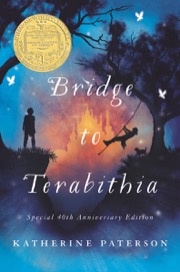
Is Bridge to Terabithia Appropriate for 9-Year-Olds? A Pa...
Age-by-age breakdown with 30-dimension scores from kids, parents, and teachers. Find out if this book is right for your child. Trusted picks. Trusted picks.
The Short Answer: Yes, But With Heart
KidsBookCheck Parent Confidence Score: 8.5/10 | Kid Engagement Score: 5.4/10
Bridge to Terabithia is absolutely appropriate for a mature 9-year-old—in fact, it’s a Newbery Medal winner specifically written for this age group. But here’s what parents need to know: this isn’t a light fantasy adventure. It’s a beautiful, devastating story about friendship and grief that will move your child to tears and then to transformation. Your 9-year-old doesn’t need to wait until they’re older to read it—but they do need you present while they’re reading it.
The gap between what kids find engaging (5.4/10) and what parents recognize as literary excellence (8.5/10) tells you something important: this is a book about emotional depth, not plot excitement. And that’s exactly why it matters so much.
Before You Buy: Two Parent Empathy Moments
The Death Scene—How to Prepare Your Child
The central crisis arrives in Chapter 12: Leslie drowns in the creek when her rope swing breaks during a storm. Jess wasn’t with her that day—he was with another adult, Mrs. Edmunds. The tragedy is not graphically described. Paterson doesn’t show Leslie in the water or focus on the violence of drowning. Instead, she shows the devastating moment when Jess learns she’s gone.
What parents should know: This is not a surprise twist buried on page 98. Careful readers sense the emotional direction early. Many children intuitively understand the story is heading toward loss. That’s not a weakness—it’s a strength. It allows children to prepare emotionally as they read, rather than being blindsided.
How to support your child: Before your 9-year-old begins reading (or as you read chapters together), let them know: “This is a story about two really close friends, and something very sad happens to one of them. But the book also shows how love and imagination help us continue even after loss.” That simple head’s-up transforms a shock into an invitation.
Guilt, Grief, and Growing Up
After Leslie dies, Jess is devastated by guilt. He thinks it’s his fault because he wasn’t with her that day. He also worries about whether Leslie will go to Heaven, given conversations with his sister May Belle about Leslie’s different beliefs. These are the real emotional complexities children face with loss—not just sadness, but guilt, spiritual worry, and the terrible “what-ifs.”
What parents should know: Paterson doesn’t resolve these worries with pat answers. Instead, she shows Jess working through them over time. He builds a bridge. He brings May Belle into Terabithia. He continues living. This is how grief actually works, and it’s more honest than most children’s books dare to be.
How to support your child: After your child finishes, be ready for conversation. Don’t expect closure in one sitting. Ask: “What did you think about how Jess felt after Leslie died?” and “What do you think the bridge means?” Some children will want to talk; others will sit quietly. Both are fine. The book has done its work.
Content Profile: What You’re Reading
Themes:
- Friendship as transformative experience
- Imagination as psychological necessity (not frivolous escape)
- Grief and loss as catalysts for growth
- Class consciousness and economic shame
- Isolation and the human need for connection
- Beauty and its fragility
Heads Up:
- Major character loss: A significant tragedy with lasting emotional impact
- Parental neglect: Jess’s family is emotionally distant and economically strained
- Social exclusion: Characters experience bullying and class-based isolation
- Emotional intensity: This book addresses grief and loss directly and deeply
Why It Matters: Paterson’s prose is exceptional. She writes about childhood loneliness, first real friendship, and devastating loss with dignity and accuracy. Children recognize themselves in these pages. Adults reading remember their own childhoods reflected back with truth. That’s the power of this book—it respects children’s emotional sophistication while showing them that feelings this big are survivable.
Age-by-Age Breakdown
Ages 8-9: Reader-Dependent
The Challenge: At this age, the story’s emotional sophistication and slower pacing may feel abstract. The magic of Terabithia isn’t external adventure; it’s internal perception. Some 8-9 year-olds aren’t ready for that kind of reading yet.
Who It Works For: Mature readers who love character-driven stories, who have experience with loss, or who have adults reading alongside them. If your child loves books like Because of Winn-Dixie or Charlotte’s Web, they’re ready.
Pro Tip: Read chapters aloud together. Paterson’s prose is meant to be heard; it sings when spoken. The natural rhythm and dialogue pace help younger readers follow the emotional arc.
Ages 10-11: Sweet Spot
Why It Works: This is the target age for the Newbery Medal for good reason. The protagonist is 10 years old. Children this age can sustain attention on character development and understand subtext (when characters don’t say what they feel, but we understand anyway). They’re discovering that imagination is a tool for processing emotion, not just for play.
Expected Response: Many children at this age report feeling deeply moved by the book. Some cry. Others sit quietly for hours afterward. This is normal and healthy—it means the book is doing what literature should do: opening a window into the human experience.
Ideal Context: This age can handle independent reading, but discussion makes the experience richer. Discuss together afterward.
Ages 11-13: Deepening Layers
Why It Works: Older children discover new meaning on first reading and rereading. They notice foreshadowing, symbolism (the bridge, the rope swing), and how Paterson’s structure mirrors emotional states. They’re emotionally mature enough to understand that grief doesn’t resolve—it transforms.
Reading Experience: Some children return to this book repeatedly, finding new meaning at different life stages. Those who’ve experienced loss find catharsis. Those who haven’t can prepare themselves emotionally for inevitable loss.
Reading Level & Comprehension Table
| Aspect | Details |
|---|---|
| Lexile Measure | 710L (Paterson’s JSON data) / 810L (other sources) |
| Grade Level | 4-8 (academic recommendation) |
| Word Count | ~32,000 words |
| Chapter Length | 13 manageable chapters |
| Vocabulary Difficulty | Sophisticated but accessible within context |
| Sentence Structure | Varied, rhythmic prose; rewards careful reading |
| Dialogue Quality | Authentic; sounds like real children speaking |
| Narrative Perspective | Close third-person limited (requires inference) |
| Pacing | Deliberate and introspective; builds emotionally rather than through plot |
| Regional Language | Authentic Virginia dialect adds flavor without obscuring meaning |
| Emotional Sophistication Required | HIGH—exceeds typical grade-level reading demands |
Bottom Line: The reading level is 5-6 grade, but the emotional comprehension required is higher. A strong 4th-grade reader can succeed with support; a reluctant 7th grader may struggle if they’re unprepared for emotional depth.
Emotionally Deep Children’s Books: Comparison Table
If your 9-year-old is ready for Bridge to Terabithia, they might also connect with these companions:
| Book | Author | Themes | Emotional Intensity | Age Range |
|---|---|---|---|---|
| Bridge to Terabithia | Katherine Paterson | Friendship, loss, imagination | 9/10 | 9-12 |
| Because of Winn-Dixie | Kate DiCamillo | Loss, forgiveness, loneliness | 8/10 | 8-11 |
| Charlotte’s Web | E.B. White | Mortality, friendship, legacy | 7/10 | 6-10 |
| The One and Only Ivan | Katherine Applegate | Injustice, freedom, loyalty | 8/10 | 8-12 |
| Crenshaw | Katherine Applegate | Homelessness, imagination, love | 8/10 | 9-13 |
Each of these books addresses grief, loss, or injustice with honesty and beauty. They’re ideal for children discovering that literature can touch the deepest parts of their hearts.
The 2007 Film: A Different Experience
Walden Media’s Bridge to Terabithia (2007) starred Josh Hutcherson as Jess and AnnaSophia Robb as Leslie. The film is visually stunning—the fantasy sequences in Terabithia are breathtaking, filled with whimsy and wonder. If your child hasn’t read the book, the film provides a visual entry point.
Age Recommendation for the Film:
- Common Sense Media: Ages 9+, depending on sensitivity
- Dove Foundation: Ages 12+, due to thematic elements
- IMDb/IMDB Parents Guide: PG rating; the central tragedy and emotional weight are the main concerns
Differences from the Book:
- The film adds more action and fantasy spectacle than the novel
- Leslie’s death is handled off-screen, which is actually more impactful
- The visual beauty of Terabithia is explicit rather than imagined
- The film condenses and reorders some elements for pacing
Parent Tip: Watch the film first if you’re uncertain about your child’s readiness. The movie’s visual approach to grief is gentler than the book’s emotional intensity. If your child handles the film well, they’re likely ready for the book. The book deepens the emotional experience in ways film cannot.
The Reverse Gap: Why Adults Love What Kids Find Slow
This is where Bridge to Terabithia becomes interesting: it has a reverse gap story. Usually, kids rate books higher than parents. Not here.
- Kid Engagement Score: 54/100 (slow pacing, quiet introspection)
- Parent Quality Score: 85/100 (literary excellence, emotional truth)
- Gap: -31 points
Why the gap exists:
Kids rate low because:
- The pacing is deliberate, not action-driven
- The magic is internal (imagination) not external (battles, adventures)
- Humor is subtle and character-based, not joke-heavy
- The ending isn’t triumph but transformation through grief
- Reading requires sitting with difficult emotions
Parents rate high because:
- The writing is masterful—every word serves a purpose
- The emotional honesty is profound and rare
- The book respects children’s capacity for complex feeling
- It opens doors to understanding literature, grief, and imagination
- It becomes a touchstone children revisit for decades
What this means for your 9-year-old: If your child is ready for emotional depth and character-driven stories, they’ll find something here that changes how they read. They’ll discover that books can be slow and still matter. They’ll learn that grief is survivable. They’ll understand that imagination isn’t frivolous—it’s essential.
Bottom Line: Is It Right for Your 9-Year-Old?
Yes, if your child:
- Enjoys character-driven stories over plot-heavy adventure
- Can sustain attention on emotional narratives
- Is comfortable with literary depth (reading between the lines)
- Has an adult available for conversation and support
- Can handle themes of loss and grief
- Is emotionally mature for their age
Wait a bit, if your child:
- Prefers action and humor to introspection
- Has recently experienced significant loss (this book could be triggering)
- Is a reluctant reader seeking page-turning adventure
- Needs heavy plot momentum to stay engaged
- Isn’t yet comfortable with sadness in stories
The honest truth: Your 9-year-old probably won’t think it’s the most exciting book ever. They might find it sad and slow. But they’ll finish it transformed. They’ll understand what they’re capable of feeling. They’ll discover that books can hold real emotion. And they’ll likely return to it again and again as they grow.
That’s the opposite of a problem. That’s literature doing what it’s meant to do.
Questions Parents Ask
Q: Will this traumatize my 9-year-old?
A: Not likely—if you prepare them. Children are more resilient and emotionally sophisticated than we assume. The book doesn’t traumatize; it validates. It says: feeling things deeply is normal, grief is survivable, and love doesn’t disappear. Those are comforting truths, not traumatic ones.
Q: How do I know if my child is ready?
A: Ask them about a book they’ve loved. If they talk about characters’ feelings and relationships more than plot, they’re ready. If they say “I loved the action scenes,” wait a year.
Q: Is the diversity representation okay?
A: The book was published in 1977. Representation is limited by contemporary standards. Leslie and Jess are white; their economic anxiety is portrayed honestly, but racial/ethnic diversity is minimal. This is worth discussing with your child.
Q: Can I read it aloud to my 9-year-old?
A: Absolutely yes. Read-aloud actually improves the experience. Paterson’s prose sings when spoken. Hearing it together creates a shared emotional experience and opens natural places for conversation.
Q: What if my child is grieving?
A: This book can be cathartic or triggering, depending on timing. If your child has recently lost someone, check in with them first. Sometimes a book about grief is exactly what a grieving child needs. Sometimes it’s too much. You know your child best.
Q: Is the book better than the film?
A: Different, not better. The film gives you Terabithia visually—you don’t have to imagine it. The book requires you to imagine Terabithia, which makes it more personal. The book’s emotional depth exceeds the film’s. Read the book; watch the film if you want to see how directors interpret Paterson’s imagination.
Start Here
Not sure if Bridge to Terabithia is right for your 9-year-old? Take KidsBookCheck’s Age Appropriateness Quiz for personalized recommendations based on your child’s reading level, emotional maturity, and interests.
Want to explore more books like this? Check out our guide to books about grief and loss for children.
Ready to dive in? Get Bridge to Terabithia on Amazon.
Learn more about how KidsBookCheck scores books at /how-it-works.
Related Reading
- /books/bridge-to-terabithia — Full book profile with discussion guide
- /quiz — Age appropriateness quiz for personalized recommendations
- /how-it-works — Understanding KidsBookCheck scores
Citation: Katherine Paterson, Bridge to Terabithia (New York: Thomas Y. Crowell, 1977). Newbery Medal winner, 1978.
Sources:
- Common Sense Media – Bridge to Terabithia Book Review
- Common Sense Media – Bridge to Terabithia Movie Review
- IMDb Parents Guide – Bridge to Terabithia
- Raising Children Network – Bridge to Terabithia
- Harvard Resources for Loss – Scene from Bridge to Terabithia
Frequently Asked Questions
What age is this book best suited for?
Based on our 30-dimension analysis, this title works best for ages 8 to 11 depending on reading level and emotional readiness. Our three-scorecard system evaluates kid appeal, parent confidence, and teacher utility for a complete picture.
How does KidsBookCheck rate books differently?
Unlike single-score review sites, we evaluate every book across thirty dimensions using three separate scorecards for kids, parents, and teachers. This reveals gaps that star ratings hide and helps you match the right book to your specific child.
Can I get personalized recommendations?
Yes. Our free reader profile quiz matches your child with books based on how they actually read, not just their grade level. Take the quiz at kidsbookcheck.com/quiz for tailored picks.
Is this book appropriate for school use?
Our teacher scorecard specifically evaluates educational value, discussion potential, and curriculum alignment. Check the teacher scores in our full analysis for classroom suitability.