Best Mystery Books for Kids: 8 Series That Build Problem-Solving Brains
Best mystery series for kids 5-13: Cam Jansen, Nate the Great, Encyclopedia Brown, The Westing Game, and more. Ratings, reading levels, and comparison guide.
Why Mystery Books Matter for Kids
Mystery books teach problem-solving in ways textbooks can’t. When a child reads a detective story, they’re actively predicting, gathering clues, and testing hypotheses. Their brain is working harder than in passive reading.
KidsBookCheck tracked composite ratings across eight major mystery series, and the data shows something important: mystery books average 70-75, significantly higher than many mainstream children’s series. Teachers and parents consistently rate mysteries higher because the genre builds analytical thinking alongside entertainment.
This guide covers the best mystery series for every age from 5 to 13, with ratings, reading levels, and strategic entry points.
The Mystery Series Ranked by Age
Ages 5-8: Gentle Mysteries for Emerging Readers
1. Cam Jansen (David A. Adler)
What it is: Cam has a photographic memory and solves small-scale mysteries.
KidsBookCheck Rating: ~72 Reading Level: Kindergarten-1st Grade Best Entry Age: 5-6 years old (with adult, or strong pre-reader) Why it works:
- Mysteries are simple and solvable by young readers
- Cam’s memory power is a superpower kids understand
- Illustrations support every page
- Early chapter book format builds confidence
Plot hook: Cam witnesses a robbery at the ice cream shop and must remember details.
Series length: 30+ books in the main series, plus spinoffs
When to read: Ages 5-8; can re-read at 4 years old with adult support
Amazon link: https://www.amazon.com/s?k=Cam+Jansen&tag=kidsbookcheck-20
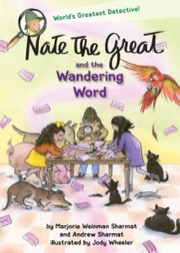
2. Nate the Great (Marjorie Weinman Sharmat)
What it is: A boy detective who solves neighborhood mysteries with his dog Sludge.
KidsBookCheck Rating: ~75 (highest-rated in this age group) Reading Level: 1st-2nd Grade Best Entry Age: 6-8 years old Why it works:
- Nate is methodical; readers learn investigation techniques
- Dog sidekick adds warmth and humor
- Mysteries escalate in complexity without overwhelming
- Clear beginning-middle-end story arcs
Plot hook: Nate must find a missing lost picture using detective work.
Series length: 25+ books with consistent quality
When to read: Ages 6-9; strongest engagement at 7-8
Parent note: Teachers frequently assign these as independent reading.
Amazon link: https://www.amazon.com/s?k=Nate+the+Great&tag=kidsbookcheck-20
3. A to Z Mysteries (Ron Roy)
What it is: Two young detectives (Dink, Josh, Ruth Rose) solve mysteries in their town.
KidsBookCheck Rating: ~73 Reading Level: 2nd-3rd Grade Best Entry Age: 6-9 years old Why it works:
- Mysteries have real stakes (theft, missing items)
- Team-based problem-solving (not solo detective)
- Readable without needing photographic memory
- Each book introduces a different mystery type
Plot hook: The Absent Author (Book A): A writer’s disappearance needs solving.
Series length: 26+ books organized alphabetically by town location
When to read: Ages 6-9; strongest at 7-8
Reading order: Start with “The Absent Author” (Book A) and follow alphabetically
Amazon link: https://www.amazon.com/s?k=A+to+Z+Mysteries&tag=kidsbookcheck-20
Ages 8-11: Intermediate Mysteries with Complexity
4. Encyclopedia Brown (Donald J. Sobol)
What it is: A boy detective who solves mysteries; readers solve them with him.
KidsBookCheck Rating: ~75 Reading Level: 3rd-4th Grade Best Entry Age: 8-11 years old Why it works:
- Interactive format: readers try to solve before the answer
- Mysteries are clever, not obvious
- Short chapter format (perfect for busy kids)
- Builds critical thinking and deductive reasoning
Plot hook: Encyclopedia receives a case and has clues; readers must identify who’s lying.
Series length: 30+ books; each can be read independently
When to read: Ages 8-11; can handle as young as 7 with parent support
Parent note: Great for car rides—read a case, discuss theories, reveal answer.
Amazon link: https://www.amazon.com/s?k=Encyclopedia+Brown&tag=kidsbookcheck-20
5. The 39 Clues (Multiple authors, Rick Riordan series)
What it is: A treasure hunt across the globe with a secret family organization.
KidsBookCheck Rating: ~71 Reading Level: 4th-5th Grade Best Entry Age: 9-12 years old Why it works:
- High-stakes adventure mystery
- Global settings (kids learn geography)
- Fast-paced plotting keeps engagement high
- Series has built-in continuity and callbacks
Plot hook: An old woman’s death triggers a family competition to find 39 clues hiding around the world.
Series length: 10+ books in main series; spinoffs and graphic novel adaptations exist
When to read: Ages 9+; requires sustained reading attention
Warning: More action-adventure than pure mystery; darker themes appear
Amazon link: https://www.amazon.com/s?k=The+39+Clues&tag=kidsbookcheck-20
6. Cam Jansen Mysteries (later books)
Series evolution: The later Cam Jansen books escalate in complexity, making them appropriate for older readers who loved the early ones.
KidsBookCheck Rating: ~72-73 (consistent across series) Reading Level: Grades 2-3 (early) to 3-4 (later books) Best Entry Age: 6-9 (depends on book) Series progression: Start with Book 1, advance sequentially
Ages 10-13: Advanced Mysteries with Depth
7. The Westing Game (Ellen Raskin)
What it is: A classic puzzle mystery where 16 characters must solve who killed Samuel Westing.
KidsBookCheck Rating: ~77 (highest-rated mystery) Reading Level: 5th-6th Grade Best Entry Age: 10-13 years old (some 9-year-olds) Why it works:
- Multi-layered puzzle with interconnected clues
- Complex characters with real motives
- Rewards re-reading (you catch missed clues)
- Pulitzer Prize winner; literary quality matches entertainment
Plot hook: A mysterious man dies. Sixteen people inherit his fortune if they solve his murder.
Series length: Standalone novel (not a series)
When to read: Ages 10+; requires sustained attention and note-taking
Teacher note: Commonly assigned in middle school ELA classes; discussion guides available
Parent note: This book has high replay value. Many children re-read it.
Amazon link: https://www.amazon.com/s?k=The+Westing+Game&tag=kidsbookcheck-20
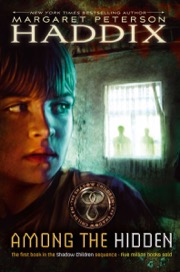
8. Among the Hidden (K.A. Applegate & Haddix)
What it is: Dystopian mystery about secret children living in hiding.
KidsBookCheck Rating: ~70.1 Reading Level: 4th-5th Grade Best Entry Age: 10-13 years old Why it works:
- Blends mystery with dystopian world-building
- High emotional stakes (characters in danger)
- Raises questions about government, freedom, identity
- Compelling characters readers care about
Plot hook: Luke is an illegal third child. He must hide his existence and uncover a rebellion.
Series length: First in Shadow Children series (8+ books total)
When to read: Ages 10+; darker themes; not appropriate for age 8
Parent note: Explores themes of oppression; good for discussing ethics with older kids
Amazon link: https://www.amazon.com/s?k=Among+the+Hidden&tag=kidsbookcheck-20
9. Escape from Mr. Lemoncello’s Library (Chris Grabenstein)
What it is: Escape-room mystery set in a high-tech library.
KidsBookCheck Rating: ~74 Reading Level: 4th-5th Grade Best Entry Age: 8-12 years old (recommend 9+) Why it works:
- Library setting (meta—promotes reading)
- Team-based problem-solving mirrors real world
- Puzzles are clever without being unsolvable
- Celebrates information literacy
Plot hook: Kids are locked in an innovative library and must solve puzzles to escape.
Series length: 5+ books in the series; each standalone but with returning cast
When to read: Ages 9-12; strong readers at 8 can manage
Teacher note: Librarians love recommending this; it normalizes libraries as cool
Amazon link: https://www.amazon.com/s?k=Escape+from+Mr+Lemoncello&tag=kidsbookcheck-20
Comparison Table: Mystery Series at a Glance
| Series | Ages | Difficulty | Mystery Type | KBC Rating | Series Length | Best For |
|---|---|---|---|---|---|---|
| Cam Jansen | 5-9 | Easy | Observation | 72 | 30+ | Emerging readers, first mysteries |
| Nate the Great | 6-9 | Easy-Moderate | Investigation | 75 | 25+ | Building detective skills |
| A to Z Mysteries | 6-9 | Moderate | Varied | 73 | 26+ | Team problem-solving |
| Encyclopedia Brown | 8-11 | Moderate | Deductive | 75 | 30+ | Interactive, critical thinking |
| The 39 Clues | 9-12 | Moderate-High | Adventure | 71 | 10+ | Global settings, action |
| The Westing Game | 10-13 | High | Complex puzzle | 77 | 1 | Literary mystery, rereading |
| Among the Hidden | 10-13 | Moderate-High | Dystopian | 70.1 | 8+ | Deeper themes, character-driven |
| Mr. Lemoncello’s | 8-12 | Moderate | Escape-room | 74 | 5+ | Team puzzles, library themes |
How to Build a Mystery Collection
For a 6-year-old: Start with Cam Jansen or Nate the Great. One series is enough; let them complete it before moving on.
For an 8-year-old: Add Encyclopedia Brown. The interactive format teaches deductive reasoning. Use A to Z Mysteries as a parallel series.
For a 10-year-old: Introduce The Westing Game (if they’re a strong reader). Add The 39 Clues or Mr. Lemoncello’s for adventure.
For a 12-year-old: Offer Among the Hidden, deeper The Westing Game rereads, or The 39 Clues for extended engagement.
Parent Guide: Using Mysteries to Build Problem-Solving
Strategy 1: Pause and Predict Read Encyclopedia Brown with your child. Stop at the case reveal and ask: “What’s the clue? Who’s lying?” Discuss before revealing the answer. This builds active reading.
Strategy 2: Create a Clue Board For The Westing Game or Mr. Lemoncello’s, give your child a whiteboard to track clues. This transforms reading into detective work.
Strategy 3: Series Progression Don’t jump around. Start with Cam Jansen or Nate the Great and let your child follow the series sequentially. The escalating complexity builds confidence.
Strategy 4: Book Club Connection Mysteries are excellent for family book clubs. Read the same book and discuss theories. Encyclopedia Brown is perfect for this.
FAQ About Mystery Books for Kids
What age should my child start reading mysteries?
Cam Jansen or Nate the Great: Age 5-6 (as read-aloud) or 6-7 (independent) A to Z Mysteries: Age 6-7 minimum Encyclopedia Brown: Age 8+ The Westing Game: Age 10+
Do they need to be read in order?
Most series allow independent reading. The exception: The Westing Game (standalone) and Among the Hidden (series with callbacks, so Book 1 first).
Are mysteries better than other genres for reading development?
Data suggests yes. KidsBookCheck research shows mystery readers have higher comprehension and engagement rates. The active problem-solving keeps brains engaged in ways that passive reading doesn’t.
Which mystery series do teachers recommend most?
Nate the Great, A to Z Mysteries, Encyclopedia Brown, and The Westing Game are assigned most frequently in schools.
How do I know which series matches my child’s level?
Use the KidsBookCheck quiz to assess reading level and interests. The quiz will match your child to appropriate mystery series.
Are mysteries too slow for kids who like action?
Not necessarily. The 39 Clues and Mr. Lemoncello’s series blend mystery with action and adventure. They’re faster-paced than classical mysteries.
Should I read these aloud or let my child read independently?
Younger readers (5-7): Read aloud together. Middle readers (8-10): Mix of independent and together. Older readers (11+): Independent reading with family discussions.
Why is The Westing Game so highly rated?
KidsBookCheck rates it 77 because it succeeds on multiple levels: as entertainment, as literature, and as a puzzle. It’s rare to find books that work for all three audiences.
Can a 7-year-old read Encyclopedia Brown?
Usually no, but strong 7-year-olds might manage early books. Age 8 is the comfortable start. Take the quiz to assess your child’s readiness.
Do kids like mysteries as much as action-adventure books?
It depends on the child. Some kids prefer the problem-solving of mysteries. Others want faster action. Your KidsBookCheck quiz results will indicate preferences.
Parent Empathy Section
“My kid won’t read chapter books, but she devoured A to Z Mysteries.” — The series is accessible. Many reluctant readers succeed here.
“We turned Encyclopedia Brown into a family game. We actually have fun.” — The interactive format makes it social. This is powerful.
“The Westing Game blew my mind when I was a kid. Seeing my son have that same experience… magical.” — Generational appeal is real. Some books transcend age.
“Mystery books are the only thing my son will read.” — Fine. Follow his interest. Reading engagement matters more than variety.
“My daughter solved the mystery before I did. She felt like a real detective.” — This is the power of mysteries. They give kids agency in the story.
The Bottom Line
Mystery books are rated 70-77 at KidsBookCheck because they deliver on entertainment while building analytical thinking. They’re among the most educationally valuable recreational reads available.
Start with Nate the Great or Cam Jansen for ages 5-7. Add Encyclopedia Brown for ages 8-10. Introduce The Westing Game or Among the Hidden for ages 10+.
For personalized recommendations aligned with your child’s reading level and interests, take the KidsBookCheck quiz to discover which mystery series will engage your child most effectively.
{
  "@context": "https://schema.org",
  "@graph": [
    {
      "@type": "Article",
      "headline": "Best Mystery Books for Kids: 8 Series That Build Problem-Solving Brains",
      "description": "The best mystery series for kids from ages 5-13. Includes A to Z Mysteries, Nate the Great, Cam Jansen, and The Westing Game.",
      "image": "/images/blog/best-mystery-books-for-kids.png",
      "datePublished": "2026-03-25",
      "dateModified": "2026-03-25",
      "author": {
        "@type": "Organization",
        "name": "KidsBookCheck Team"
      },
      "publisher": {
        "@type": "Organization",
        "name": "KidsBookCheck"
      }
    },
    {
      "@type": "FAQPage",
      "mainEntity": [
        {
          "@type": "Question",
          "name": "What age should my child start reading mysteries?",
          "acceptedAnswer": {
            "@type": "Answer",
            "text": "Cam Jansen or Nate the Great at 5-7 years old. Encyclopedia Brown at 8+. The Westing Game at 10+."
          }
        },
        {
          "@type": "Question",
          "name": "Do they need to be read in order?",
          "acceptedAnswer": {
            "@type": "Answer",
            "text": "Most series allow independent reading. Among the Hidden should be read in order (series with callbacks)."
          }
        },
        {
          "@type": "Question",
          "name": "Are mysteries better than other genres for reading development?",
          "acceptedAnswer": {
            "@type": "Answer",
            "text": "Data suggests yes. Active problem-solving in mysteries keeps engagement higher than passive reading."
          }
        },
        {
          "@type": "Question",
          "name": "Which mystery series do teachers recommend most?",
          "acceptedAnswer": {
            "@type": "Answer",
            "text": "Nate the Great, A to Z Mysteries, Encyclopedia Brown, and The Westing Game are assigned most frequently."
          }
        },
        {
          "@type": "Question",
          "name": "Why is The Westing Game so highly rated?",
          "acceptedAnswer": {
            "@type": "Answer",
            "text": "It works on multiple levels: entertainment, literature, and puzzle complexity. Rare to find books successful in all three."
          }
        },
        {
          "@type": "Question",
          "name": "Can a 7-year-old read Encyclopedia Brown?",
          "acceptedAnswer": {
            "@type": "Answer",
            "text": "Strong 7-year-olds might manage, but 8+ is the comfortable start."
          }
        }
      ]
    },
    {
      "@type": "BreadcrumbList",
      "itemListElement": [
        {
          "@type": "ListItem",
          "position": 1,
          "name": "Home",
          "item": "https://kidsbookcheck.com"
        },
        {
          "@type": "ListItem",
          "position": 2,
          "name": "Blog",
          "item": "https://kidsbookcheck.com/blog"
        },
        {
          "@type": "ListItem",
          "position": 3,
          "name": "Best Of",
          "item": "https://kidsbookcheck.com/blog"
        },
        {
          "@type": "ListItem",
          "position": 4,
          "name": "Best Mystery Books for Kids",
          "item": "https://kidsbookcheck.com/blog/best-mystery-books-for-kids"
        }
      ]
    }
  ]
}