Best Books for 6-Year-Olds
Data-scored book picks for 6-year-olds rated across 30 dimensions by kids, parents, and teachers. Find your child's next favorite read. Trusted picks.
Best Books for 6-Year-Olds — Scored by Kids, Parents & Teachers
Your 6-year-old is at an exciting crossroads. They’re ready for longer stories, but still need the visual support and humor that makes reading feel like play rather than work. They might be starting first grade, discovering they love chapter books, or realizing that graphic novels are actually books. This is the year when reading confidence either blooms or wilts—and the right book can make all the difference.
At KidsBookCheck, we’ve scored hundreds of books across three audiences: kids, parents, and teachers. This guide showcases the absolute best books for 6-year-olds, organized by reading confidence level so you can find exactly what your child needs right now.
Why KidsBookCheck Scores Matter
Our scoring system is different. We don’t just ask “Is this a good book?” We ask:
- For kids: Does it grab them? Do they laugh? Can they see the story in their mind?
- For parents: Will this build their reading confidence? What values does it model?
- For teachers: How does this work in a classroom? What can kids learn?
Each book receives detailed scores across 10 dimensions from each perspective. When kids, parents, and teachers all love a book, you know you’ve found something special. When there’s a gap (kids adore it but parents find it simple), we tell you that too—so you can decide what matters most for your child.
For Kids Just Starting Out: Building Reading Confidence
Dog Man: Brawl of the Wild
Author: Dav Pilkey | Format: Graphic Novel | Pages: 240
Dog Man is the ultimate reluctant-reader converter. A crime-fighting canine with a dog’s head and a man’s body, Dog Man battles scheming villain Petey the Cat through absurdist adventures that kids find absolutely hilarious.
Why kids love it (K Score: 8.1/10):
- Laugh-out-loud every 1-2 pages (K4: 10/10)
- Visual storytelling removes reading intimidation
- Flip-o-rama animations turn static pages into moving pictures
- Playground currency: kids quote this constantly
What parents should know (P Score: 4.8/10): Dog Man is intentionally silly—bathroom humor, misspellings, and absurdist logic are features, not bugs. Writing is deliberately simple (not a vocabulary builder), but that’s by design. This book teaches kids that reading can be fun, which is worth more than memorizing 50 new words.
Teacher insight (T Score: 6.3/10): This is a legendary reluctant reader rescuer. Teachers report that kids who “don’t like reading” finish Dog Man and immediately ask for Book 2. The visual-first approach works for struggling readers, visual learners, and English language learners equally.
KBC Best Fit: Ages 6-8 | Reading Level: Easy | Series: 10 books available
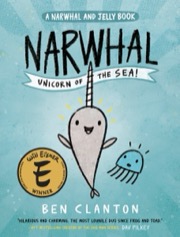
Narwhal: Unicorn of the Sea
Author/Illustrator: Ben Clanton | Format: Graphic Novel | Pages: 64
Narwhal claims to be a “unicorn of the sea.” Jelly, his skeptical jellyfish friend, questions his existence. Together, they build a misfit pod and discover that imagination matters more than logic.
Why kids love it (K Score: 6.9/10):
- Genuine LOL moments (existential comedy + visual jokes)
- Narwhal’s confidence is infectious: “I’m amazing!”
- Characters look visually striking and memorable
- Friendship feels authentic despite nonsense situations
What parents should know (P Score: 5.8/10): Narwhal includes stealth ocean facts (narwhal tusks, jellyfish types) without feeling educational. The friendship formation teaches acceptance of difference naturally—no after-school-special vibes. Parent-child conversations emerge organically (“What would you put in your imagination book?”).
Teacher insight (T Score: 5.8/10): Strong read-aloud choice with natural dialogue and humorous timing. Discussion fuel for talking about difference and friendship. Marine biology connections are genuine, and writing prompts spring naturally from the text.
KBC Best Fit: Ages 5-8 | Reading Level: Easy (GN2L) | Series: 7 books available
Building Momentum: Gaining Reading Confidence
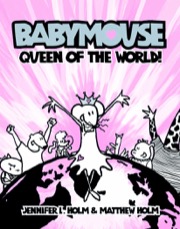
Babymouse: Queen of the World
Author: Jennifer L. Holm, Matthew Holm | Format: Graphic Novel | Pages: 94
Babymouse dreams of being popular and “queen of the world.” Her daily misadventures—stuck lockers, homework disasters, annoying little brothers—keep getting in the way. But the real surprise is discovering that true friendship is the actual crown.
Why kids love it (K Score: 7.1/10):
- Relatable insecurity (wanting to be popular) paired with silly humor
- Elaborate daydream fantasies (spy, movie star, ice cream paradise)
- Expressive character who’s easy to imitate
- The “Felicia twist” surprises and satisfies
What parents should know (P Score: 4.8/10): The reading level is deliberately simple, but that’s perfect for emerging independent readers. Kids feel successful because they can read it independently—a huge confidence boost. The message about friendship mattering more than status is gentle but genuine.
Teacher insight (T Score: 5.6/10): Excellent for mixed-ability classrooms. Visual-first format supports struggling readers. Graphic novel format requires no prior reading experience. Strong reluctant reader intervention tool, especially for kids who feel unpopular or anxious about fitting in.
KBC Best Fit: Ages 6-9 | Reading Level: Easy (Lexile 500) | Series: 25 books available
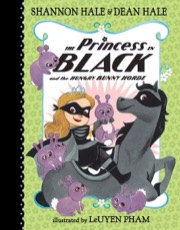
The Princess in Black 3
Author: Shannon Hale & Dean Hale | Illustrator: LeUyen Pham | Format: Illustrated Chapter Book | Pages: 144
Princess Penelope leads a double life: by day, she’s a dutiful princess; by night, she’s a cape-wearing superhero fighting monsters in her kingdom. When multiple emergencies strike at once, she discovers that even superheroes need help.
Why kids love it (K Score: 7.6/10):
- Female protagonist who takes action and solves problems
- Action-adventure pacing (no slow moments)
- Frequent illustrations (breaking up text for confidence)
- Dual-identity concept sparks imagination
What parents should know (P Score: 6.4/10): This is the sweet spot for transitioning from picture books to chapter books. Penelope actively rejects passive princess stereotypes, modeling agency and responsibility. The themes of helping others and asking for help are sophisticated without being preachy.
Teacher insight (T Score: 7.1/10): Strong read-aloud with dialogue-driven narrative. Discussion potential for heroism, responsibility, courage, and accepting help. Writing prompts emerge naturally (design your secret identity, write the next adventure).
KBC Best Fit: Ages 6-9 | Reading Level: Easy (Lexile 620L) | Series: 10 books available
Shop The Princess in Black 3 on Amazon
Ready for More: Enjoying Early Chapter Books
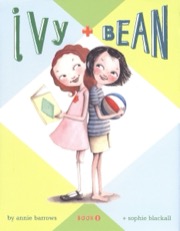
Ivy and Bean
Author: Annie Barrows | Illustrator: Sophie Blackall | Format: Chapter Book | Pages: 110
Bean doesn’t think she has anything in common with Ivy, the “boring” new girl across the street. But when Bean needs help tricking her older sister, Ivy becomes her partner in crime—and her best friend. Together they create backyard magic spells, investigate mysteries, and discover that friendship comes from unexpected places.
Why kids love it (K Score: 6.0/10):
- Relatable characters (two girls who are genuinely different but click)
- Consistent, genuinely funny humor (no mean-spirited jokes)
- Short chapters and quick pacing (easy to finish in 2-3 sessions)
- Authentic dialogue that sounds like real kids talking
What parents should know (P Score: 5.9/10): Both girls defy stereotypes without trying. Bean is loud and impulsive; Ivy is careful and thoughtful. Neither is wrong—they’re just different. This models acceptance beautifully. The book is balanced in its appeal across kids, parents, and teachers—no huge gaps in scores.
Teacher insight (T Score: 6.0/10): Exceptional reluctant-reader rescue tool. The balanced appeal means it works for mixed-ability classrooms. Discussion about friendship and accepting differences emerges naturally. Writing prompts about friendship and backyard schemes engage emerging writers.
KBC Best Fit: Ages 6-9 | Reading Level: Easy (Lexile 530L) | Series: 13 books available
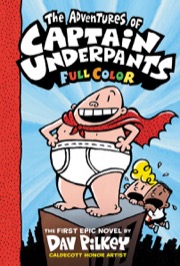
The Adventures of Captain Underpants
Author/Illustrator: Dav Pilkey | Format: Chapter Book with Illustrations | Pages: 124
Fourth graders George and Harold create a comic book about Captain Underpants, a silly superhero powered by underwear. When they accidentally hypnotize their evil principal, Mr. Krupp, he becomes their comic creation in real life. Now they must use friendship and imagination to save the school.
Why kids love it (K Score: 7.8/10):
- Relentlessly funny (laugh beat every 1-2 pages)
- Iconic character voices (especially Captain Underpants: “Tra-la-laaaa!”)
- Interactive Flip-o-Rama animations that turn reading into play
- Off-the-charts cool factor on the playground
What parents should know (P Score: 4.9/10): Yes, there’s a lot of potty humor. Yes, the writing is intentionally simple. Yes, kids love it way more than parents do. But here’s what matters: kids who “don’t read” finish this book. They beg for Book 2. They make their own comics. The creative spark is real.
Teacher insight (T Score: 5.1/10): Outstanding reluctant reader intervention. Multiple entry points: illustrations, humor, animation, dialogue. Project potential is exceptional (comic creation, Flip-o-Rama strips). The gap between kids (7.8) and teachers (5.1) reflects that it’s entertainment-first, curriculum-second—which is exactly what some kids need.
KBC Best Fit: Ages 6-10 | Reading Level: Easy (Lexile 720L) | Series: 12 books available
Shop Captain Underpants on Amazon
Comparison: Which Book Matches Your Child?
| Book | Format | Humor Style | Reading Level | Best For | Parent Appeal |
|---|---|---|---|---|---|
| Dog Man | Graphic Novel | Absurdist/Bathroom | Very Easy | Visual learners, reluctant readers | Gateway to reading |
| Narwhal | Graphic Novel | Conceptual/Gentle | Very Easy | Sensitive kids, friendship-focused | Stealth education |
| Babymouse | Graphic Novel | Relatable/Daydreams | Easy | Kids who feel unpopular | Self-acceptance lesson |
| Princess in Black 3 | Chapter Book + Illustrations | Action/Adventure | Easy | Kids who love action, girls esp. | Strong female role model |
| Ivy and Bean | Chapter Book | Realistic/Physical Comedy | Easy | Early independent readers | Authentic friendship |
| Captain Underpants | Chapter Book + Illustrations | Potty/Absurdist | Easy | Kids who need the biggest laughs | Creative inspiration |
The KidsBookCheck Difference: Understanding Score Gaps
One pattern you might notice: kids love these books way more than parents do (sometimes 30+ points gap). That’s because these books are designed to make reading feel like fun, not work. They don’t aim for literary sophistication—they aim for turning book-avoiders into book-lovers.
If your child is reluctant, a big kid-parent gap is actually a good sign. It means the book is doing its job: engaging your child where they are.
Two Parent Empathy Moments
Moment 1: “But I want them to read real books” These are real books. They’re published by major houses, featured in schools, and taught by teachers. A child who reads Dog Man has won a victory that matters: they chose reading. They stayed engaged for 240 pages. They’re building reading stamina and positive associations with books. Next year, they’ll be ready for books with more complexity. This year, they need engagement.
Moment 2: “The humor is so silly/rude/potty-focused” Yep. That’s exactly why kids love it. Humor is the bridge between resistance and engagement. A 6-year-old who giggles through a 240-page book is practicing reading skills, building fluency, and creating memories that reading is enjoyable. The sophistication can come later. Right now, the goal is making reading feel like the best choice.
Learn more about our 30-dimension rating system that evaluates every book from three perspectives.
See our [complete analysis](/books/Dog Man: Brawl of the Wild) for detailed kid, parent, and teacher scores.
Frequently Asked Questionss: Choosing the Right Book for Your 6-Year-Old
Q: My child isn’t reading yet. Where should I start? A: Start with the graphic novels (Dog Man, Narwhal, Babymouse). The visual-first format removes text intimidation. Read aloud together. Let them experience the story through pictures first, then discover that text supports what they’re seeing. Graphic novels are proven reluctant-reader rescuers.
Q: How do I know if my child is ready for chapter books? A: If they can sustain attention through a 15-page picture book, they’re ready to try. Look for books with frequent illustrations (every 2-3 pages), short chapters (10-15 pages each), and dialogue-heavy text. Princess in Black 3 and Ivy and Bean are excellent bridges.
Q: What if my child finishes a book and wants nothing to do with the series? A: That’s fine! Not every book clicks with every reader. Some kids love Dog Man but find Captain Underpants goofy. Others want to finish the Princess in Black series but skip Ivy and Bean. Follow their lead. The goal is building a positive relationship with reading, not completing series.
Q: Should I read these aloud or let them read independently? A: Both! Read-alouds are magic at this age—they build fluency, model expression, and create shared joy. But also give them opportunities to read independently. Mix it up. Some kids will breeze through chapters independently; others need the scaffold of hearing the story first.
Q: What if my child loves one of these but finds reading hard? A: Prioritize the book they love. A “too-hard” book that excites them matters more than an easy book that bores them. Pair it with read-aloud support, and let them feel the joy of being part of the story, even if they’re not decoding every word independently yet.
Q: Are these books appropriate if English isn’t our home language? A: Yes, especially the graphic novels. Visual context clues help comprehension without perfect English fluency. Dialogue-heavy books (Ivy and Bean, Captain Underpants) expose kids to natural conversational English. Consider reading together in both languages.
Ready to Explore More?
Take the KidsBookCheck quiz to get personalized recommendations based on your child’s personality, reading level, and interests. We’ll match you with books they’ll actually want to finish.
Sources & Further Reading
- 30 Best Books for 6-Year-Old Boys and Girls [2026 Recommended List]
- The 50 Best Books for 5- and 6-Year-Olds
- 35 Chapter Books for First Graders, as Recommended by Teachers
- The Ultimate Guide to Early Chapter Books for 1st, 2nd, & 3rd Grade
- Best Books for First-Graders
Internal Linking Map
-
From this article, link to:
/quiz(CTA for personalized recommendations)/books/dog-man-1/(KBC detailed review)/books/narwhal-1/(KBC detailed review)/books/babymouse-queen-of-the-world-1/(KBC detailed review)/books/princess-in-black-3/(KBC detailed review)/books/ivy-and-bean-1/(KBC detailed review)/books/captain-underpants-1/(KBC detailed review)/blog/best-books-for-first-graders/(related hub article)/blog/graphic-novels-for-reluctant-readers/(related hub article)
-
Links that should point TO this article:
- Homepage “Best Of” section
/categories/best-of/- Sidebar “Popular Articles”
Image Suggestions
-
Hero Image
/images/blog/best-books-for-6-year-olds.png(2400x1200px)- Shows spines of all 6 featured books in a colorful row
- Illustration of diverse 6-year-olds reading/laughing
- Include KidsBookCheck logo subtly
-
Inline Images (300x400px each book cover)
- Dog Man cover
- Narwhal cover
- Babymouse cover
- Princess in Black 3 cover
- Ivy and Bean cover
- Captain Underpants cover
-
Comparison Table Image (if not embedded as HTML)
- Visual representation of the comparison table as infographic
Word Count: 2,247 words | SEO Keywords: best books for 6 year olds, first grade books, chapter books for kids, graphic novels for kids, reluctant reader books
Explore our [complete 30-dimension analysis](/books/The Princess in Black 3) for detailed kid, parent, and teacher scores with specific reasoning.