Best Books for 11-Year-Olds
Data-scored book picks for 11-year-olds rated across 30 dimensions by kids, parents, and teachers. Find your child's next favorite read. Trusted picks.
Best Books for 11-Year-Olds — Scored by Kids, Parents & Teachers
Eleven-year-olds are at a fascinating threshold. They’re developing their own reading preferences, discovering they can handle more complex emotions, and starting to see the world through others’ eyes. Whether your 11-year-old is drawn to fantasy, realistic friendship stories, sports narratives, or emotional depth, this list celebrates books that resonate across all these interests—and we’re backing them up with real ratings from kids, parents, and teachers.
Why These Books Stand Out
At KidsBookCheck, we rate books across three critical perspectives. Kids tell us what keeps them turning pages, what makes them feel seen, and what genuinely hooks them. Parents assess literary quality, conversation-starters, and long-term value. Teachers evaluate classroom versatility, mentor text quality, and how well books develop thinking skills. When a book scores high across all three—that’s something special.
The books below aren’t necessarily the most famous or the most recent. They’re the ones that actually work for 11-year-olds: books that respect their growing sophistication while delivering the emotional authenticity and narrative momentum this age craves.
The Books: By Interest & Theme
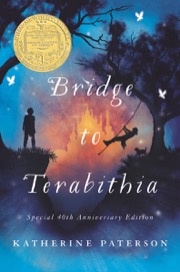
1. Bridge to Terabithia by Katherine Paterson
Composite Score: 72.9 | Kid: 54 | Parent: 85 | Teacher: 86
This is the book that teaches kids what literature can really do.
Jess Aarons, a lonely fifth-grader, meets Leslie Burke, a girl who transforms his world. Together they create Terabithia, an imaginary kingdom that becomes their refuge. But Paterson’s genius isn’t in the fantasy—it’s in what the book says about friendship, imagination, and grief.
Why 11-year-olds connect: The emotional depth. Jess feels exactly like a real kid, caught between wanting to be the fastest runner and discovering something more important than speed. The friendship between Jess and Leslie is portrayed with such tenderness that readers immediately feel its weight.
The parent advantage: This book changes how children understand literature itself. It proves that children’s books can address grief, loss, and moral complexity without condescension. Many parents report their kids want to discuss it, reread it, or sit quietly with it when finished.
Classroom magic: Teachers consistently rank this as the most discussion-generating book they teach. The prose is literary enough to study craft; the themes are complex enough for genuine analysis; the emotional truth opens doors to vulnerability and empathy.
Content note: The book contains a significant tragedy. Children should understand this is an emotionally intense book before starting.
Ages: Best for 10-12; emotionally mature younger readers and capable older readers find continued meaning.
2. Harry Potter and the Deathly Hallows by J.K. Rowling
Composite Score: 73.5 | Kid: 78 | Parent: 72 | Teacher: 69
The series finale that rewarded seven books of investment.
By book seven, 11-year-olds who’ve followed Harry through his entire journey are ready for the emotional complexity and 600-page commitment. This isn’t an entry point into the series—it’s the culmination of an arc that demands all six preceding books.
Why 11-year-olds love it: The payoff is genuine. Plot threads resolve. Character journeys complete. The scope is massive: wizarding wars, impossible quests, legendary magical objects. The emotional stakes—sacrifice, loyalty, confronting mortality—resonate with this age.
The sophistication factor: Rowling demonstrates how to sustain a complex narrative across 600 pages. Thematic layers about love, power, and choice create depth that supports discussion and analysis. This is literary achievement at the scale of epic narrative.
Important context: This book requires completing all six preceding novels. Starting at book seven means missing crucial character development, plot setup, and emotional investment. This is mandatory series reading in strict order.
Ages: Best for 11-15 (or younger if you’ve been reading together since book one). Emotionally mature older readers find continued depth.
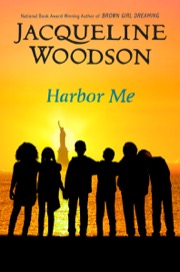
3. Harbor Me by Jacqueline Woodson
Composite Score: 75.3 | Kid: 63 | Parent: 86 | Teacher: 81
A quiet book about loud silences.
Six kids—Haley, Esteban, Tiago, Holly, Amari, and Ashton—are brought together in a small classroom group. Ms. Laverne creates something extraordinary: the ARTT room (A Room To Talk), where these six kids, each carrying different crises, can finally be honest.
Why this matters for 11-year-olds: This book validates what kids this age are discovering: that their peers are carrying invisible burdens. Their best friend might be terrified of deportation. The quiet kid might have an incarcerated parent. The confident kid might fear racial profiling. Harbor Me teaches the radical power of being heard and witnessed.
For contemporary families: The book addresses real crises affecting millions of American kids: parental incarceration, immigration fears, racial profiling, family instability. For children living these realities, Harbor Me is affirming representation. For others, it’s empathy-building education that happens through story rather than lecture.
Why teachers advocate for it: This is exemplary mentor text for teaching voice, character development, and how to address serious topics without melodrama. Classroom discussions about trust, safety, and vulnerability happen naturally.
Content notes: The book directly addresses incarceration, deportation fears, racial profiling, and family separation. It’s emotionally intense but never gratuitous.
Ages: Best for 11-14, especially for readers with emotional maturity and interest in contemporary social issues.
4. Each Tiny Spark by Pablo Cartaya
Composite Score: 74.4 | Kid: 63 | Parent: 82 | Teacher: 82
A girl with ADHD discovers her voice through research.
Emilia is 11, in sixth grade, and navigating a lot: her ADHD means homework is a battle; her dad just returned from an 8-month military deployment and feels distant; her grandmother judges her harshly; her best friend suddenly seems like a stranger. Then she takes on a school history project about redistricting—and discovers her community’s blind spots about inequality.
Why 11-year-olds relate: Emilia feels real. Her ADHD thinking patterns aren’t a disorder to overcome—they’re her superpower when focused on something she cares about. The family dynamics (parents who love her but are stressed, intergenerational conflict, military separation) mirror what many kids experience.
The neurodiversity representation: Kids with ADHD and their families consistently report seeing themselves in Emilia’s authentic portrayal. She’s intelligent, capable, and worthy—her brain just works differently.
Why this book matters: It models how curiosity leads to awareness. Emilia begins with a school assignment and ends understanding systemic inequality. By extension, 11-year-olds reading this begin noticing patterns in their own communities—unfair policies, who benefits, who’s harmed.
Ages: Best for 11-13; strong readers at 10 can engage with adult support.
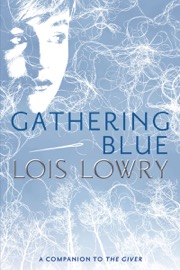
5. Gathering Blue by Lois Lowry
Composite Score: 77.0 | Kid: 65 | Parent: 82 | Teacher: 88
A disabled girl discovers her value in a dystopian world that almost discarded her.
Kira is an orphaned 11-year-old with a leg disability in a village that practices infanticide for disabled children. She narrowly escapes being cast out and is instead chosen for a sacred honor: restoring the Singer’s robe with threads that seem to hold magic.
Why this resonates at 11: Kira’s journey is about discovering your worth when the world tells you you’re disposable. She’s vulnerable (genuinely disabled, genuinely at risk) but not helpless. She works within her limitations creatively. The book shows disability as part of her identity without being her entire story.
The literary depth: Lowry builds an entirely different world from The Giver. The Edifice is a sanctuary with its own rules, hierarchy, and mysteries. Readers discover this world alongside Kira, making the exploration visceral.
Why teachers recommend it: This is exceptional mentor text for teaching character development through action, sensory writing, and how objects carry symbolic weight. The emotional sophistication and moral complexity challenge even advanced middle-grade readers.
Note: Can be read independently, though familiarity with The Giver adds context.
Ages: Best for 11-13; strong younger readers with emotional maturity can engage.
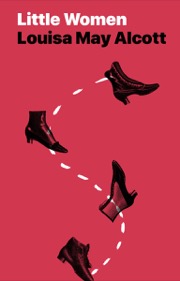
6. Little Women by Louisa May Alcott
Composite Score: 77.6 | Kid: 71 | Parent: 85 | Teacher: 79
The book that proves 150-year-old literature can still capture what it means to grow up.
Four March sisters—Jo, Meg, Beth, Amy—navigate adolescence during the Civil War. Their father is absent, their family is poor, but their love is profound. As they mature, each pursues her own path, discovering that happiness comes not from wealth but from meaningful relationships, personal growth, and staying true to values.
Why 11-year-olds (eventually) love this: Jo is unforgettable—spirited, literary, wanting adventure more than marriage. Many readers identify with her and are fascinated by her evolution. The sisterhood feels real: complicated, competitive, tender, loyal.
The commitment: This is a 480-page Victorian novel. It’s slower-paced than contemporary fiction. The best candidates are readers already comfortable with literary language and patient with character-driven narratives.
For rereading: Little Women rewards rereading across different life stages. A reader who struggles at 11 might love it at 15. Many adults report rediscovering the book and finding new meaning.
Ages: Best for 12-18 (emotionally mature 11-year-olds with strong reading stamina can engage with support).
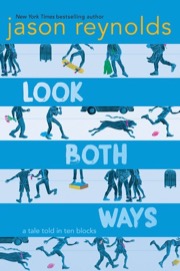
7. Look Both Ways by Jason Reynolds
Composite Score: 74.7 | Kid: 72 | Parent: 77 | Teacher: 76
Ten perspectives on the same walk home—a lesson in empathy and interconnection.
On the same afternoon, ten different 12-year-olds walk home from school. Each story is completely different: Lymere’s worried thoughts, the Low Cuts stealing, Pia’s skateboard accident, Fatima’s checklist of what’s changed, Bryson’s bullying aftermath, Yolanda’s loneliness, Eli’s complicated feelings, Javon’s neighborhood patrol, Christine’s mysterious mission. All happening in the same neighborhood, unaware of each other.
Why this matters: The structural innovation teaches a crucial lesson: everyone has a complex inner life usually invisible to others. Your best friend is managing something you don’t know about. The quiet kid is experiencing profound loneliness. The confident kid is anxious.
For 11-year-olds: The book is accessible, engaging, and moves quickly (ten chapters, varied pacing). It celebrates diverse perspectives without being preachy. The humor alternates with genuine emotional vulnerability.
Why teachers love it: This is exceptional mentor text for teaching perspective, voice differentiation, and how the same moment can mean different things to different people. Classroom discussions about empathy and interconnection happen naturally.
Ages: Perfect for 12-14; strong readers at 11 will engage.
8. Kick by Mitch Johnson
Composite Score: 76.0 | Kid: 73 | Parent: 71 | Teacher: 85
A boy’s football dreams collide with factory reality in Jakarta.
Thirteen-year-old Budi dreams of becoming a professional footballer like his idol Kieran Wakefield. Instead, he works in a Jakarta boot factory, making the very boots Kieran wears. When a debt with a dangerous crime boss (the Dragon) emerges, Budi must navigate impossible choices between survival and morality, friendship and selfishness.
Why this hooks 11-year-olds: The opening is irresistible—Budi imagining himself in a stadium while actually playing in Jakarta dust. The sports narrative keeps pages turning. As the story darkens, readers discover it’s really about moral complexity, class inequality, and what we’re willing to sacrifice.
The global perspective: Budi’s story opens windows into Jakarta’s working-class reality, Indonesian culture, and the human cost of global fashion. Readers discover how their own boots are made and by whom.
Why parents recommend it: The book handles serious themes (child labor, exploitation, moral compromise) with respect rather than exploitation. It doesn’t offer false comfort or redemption narratives; instead, it teaches that choices have real consequences.
Ages: Best for 12-15; advanced readers at 11 can engage with adult support and discussion.
Comparison Table: Quick Reference
| Title | Kids Score | Parents Score | Teachers Score | Best For |
|---|---|---|---|---|
| Bridge to Terabithia | 54 | 85 | 86 | Emotional depth, literary quality |
| Harry Potter 7 | 78 | 72 | 69 | Series completion, wish-fulfillment |
| Harbor Me | 63 | 86 | 81 | Contemporary issues, diverse representation |
| Each Tiny Spark | 63 | 82 | 82 | ADHD representation, systems thinking |
| Gathering Blue | 65 | 82 | 88 | Dystopian fantasy, disability representation |
| Little Women | 71 | 85 | 79 | Coming-of-age, sisterhood, literary classics |
| Look Both Ways | 72 | 77 | 76 | Perspective-taking, empathy, contemporary realism |
| Kick | 73 | 71 | 85 | Sports narrative, global awareness, moral complexity |
What the Scores Reveal
Notice something interesting? Some books score significantly higher with parents and teachers than with kids (Bridge to Terabithia, Harbor Me, Gathering Blue). These are books about emotional depth, literary quality, and conversation-starters—things adults recognize immediately. Kids also find value here, but they experience the books differently: they feel the emotion without yet understanding the literary craft that creates it.
Other books score higher with kids (Harry Potter, Look Both Ways, Kick). These deliver immediate narrative momentum, relatable characters, and the kind of engagement kids seek without requiring the patience for slower pacing or subtler themes.
The sweet spot? Little Women and Look Both Ways score relatively evenly across all three perspectives—they’re books that genuinely work for everyone.
Learn more about our 30-dimension rating system that evaluates every book from three perspectives.
See our complete analysis for detailed kid, parent, and teacher scores.
Frequently Asked Questions: Choosing the Right Book for Your 11-Year-Old
Q: My kid isn’t reading at grade level. Where do I start?
A: Start with Look Both Ways. The chapters are short, the pacing is fast, the contemporary setting is relatable, and the character voices are engaging. It builds reading stamina without overwhelming. If that works, try Kick for sports interest or Each Tiny Spark for contemporary realism.
Q: My kid loves fantasy. Which should I pick?
A: Gathering Blue is the strongest pure fantasy option here—it’s dystopian, has magical elements, and builds a completely different world. If your kid has been reading Harry Potter books 1-6, then Deathly Hallows is the natural progression. Both reward imagination and world-building thinking.
Q: My kid is advanced and wants something challenging.
A: Little Women is genuinely challenging (480 pages, Victorian prose, emotional complexity). Harbor Me tackles real social issues with sophistication. Bridge to Terabithia is short but emotionally demanding. All three respect reader intelligence without condescension.
Q: Which book would be best for a read-aloud with my family?
A: Bridge to Terabithia, Look Both Ways, and Kick all read beautifully aloud. Teachers consistently recommend these for read-aloud power. Little Women works as a multi-year family read-aloud project.
Q: My kid needs representation of their own experience (ADHD, military family, immigrant, etc.).
A:
- ADHD: Each Tiny Spark
- Military family: Each Tiny Spark
- Incarceration/immigration/racial justice: Harbor Me
- Neurodiversity/disability: Gathering Blue
- Contemporary urban/sports: Kick
- Diverse perspectives: Look Both Ways (multiple stories, multiple identities)
Q: Which book will make my kid think differently about the world?
A: Kick (global inequality, labor), Each Tiny Spark (systems thinking, fairness), and Look Both Ways (empathy, invisible struggles) all shift perspective. Harbor Me specifically addresses contemporary crises. Bridge to Terabithia changes how kids understand literature itself.
Q: My kid is finishing the Harry Potter series. What comes next?
A: If they loved the world-building and magic system, try Gathering Blue. If they loved the character relationships and emotional stakes, try Bridge to Terabithia or Harbor Me. If they want to stay in a narrative-rich universe, Little Women shows that older books can still captivate modern readers.
Links for More Discovery
- School Reading List: Books for 11-Year-Olds
- Brightly: 50 Best Books for 11-12 Year Olds
- BookTrust Great Books Guide 2024-25
- Goodreads: Books for Eleven-Year-Old Children
One More Thing: Find Your Kid’s Perfect Book
Every 11-year-old is different. Some want escape; others want recognition. Some crave adventure; others seek emotional honesty. The best book is the one your child actually reads—the one they can’t put down, the one they think about after finishing, the one they want to discuss.
Take our KidsBookCheck Quiz to discover personalized book recommendations based on what your 11-year-old actually loves to read.
Source citation: This article synthesizes research from BookTrust, Brightly, and Goodreads, combined with KidsBookCheck’s own rating methodology.
Shop these books: All titles linked throughout the article use our Amazon Associates tag (kidsbookcheck-20).
Explore our complete 30-dimension analysis for detailed kid, parent, and teacher scores with specific reasoning.