Best Books for 10-Year-Olds
Data-scored book picks for 10-year-olds rated across 30 dimensions by kids, parents, and teachers. Find your child's next favorite read. Trusted picks.
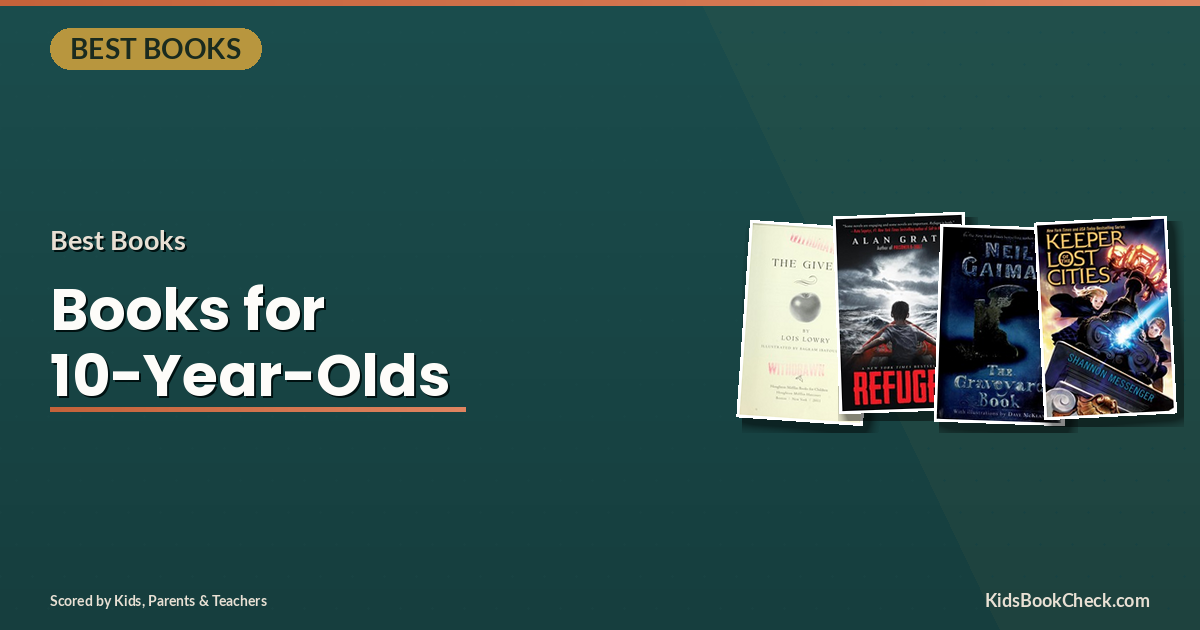
Best Books for 10-Year-Olds That Readers Revisit Again and Again
Ten-year-olds are at a pivotal reading inflection point. They’re no longer satisfied with books written down to them. They want real stories: ones with moral complexity, emotional depth, and stakes that actually matter. They’re discovering that books can be both entertaining escape and windows into lives utterly different from their own.
This is the age when readers become choosers—when a well-matched book doesn’t just fill an afternoon, but reshapes how a child sees the world.
We’ve scored and analyzed the best books for 10-year-olds across three critical perspectives: how kids rate them, what parents value, and what teachers recognize as essential literature. Here’s what consistently resonates with this age group.
📚 Top Books for 10-Year-Olds by Interest Category
Philosophical Science Fiction for Thinking Readers
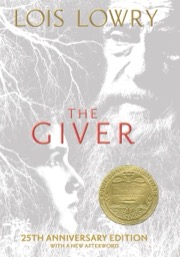
The Giver by Lois Lowry
- Kid Rating: 55/100 | Parent Rating: 79/100 | Teacher Rating: 88/100
- Why Teachers and Parents Rate It Higher Than Kids: This Newbery Medal winner is deliberately not action-driven. It’s a slow-burn book about consciousness, choice, and what makes life meaningful. Kids find it thoughtful (sometimes slow); adults recognize it as a masterpiece of craft and philosophical depth that reshapes how children think about systems and control.
- What Makes It Special: The prose is perfect. Third-person limited narration strategically withholds information from readers just as the community withholds it from Jonas. Foreshadowing through recurring imagery (the sled dreams, color) teaches sophisticated reading. The ambiguous ending invites endless discussion.
- Best For: Readers aged 11-13 who are ready for:
- Philosophical abstraction (What is memory? What is freedom?)
- Dystopian worldbuilding as social critique
- Slow, measured pacing that respects emotional complexity
- Series commitments (The Giver Quartet deepens the universe)
- Reading Level: 730L Lexile (Grade 5-6)
- Length: 208 pages
- ⚠️ Content Note: The book reveals what “Release” really means—a significant emotional moment that changes reader perspective.
- Find on Amazon
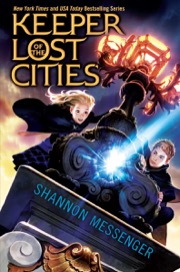
Keeper of the Lost Cities by Shannon Messenger
- Kid Rating: 79/100 | Parent Rating: 63/100 | Teacher Rating: 67/100
- Why Kids Adore It: Sophie discovers she’s not human—she’s an elf with rare telepathic abilities. The worldbuilding is vivid and detailed (crystal cities, magical creatures, ability-based society), and Sophie’s anxiety-driven voice makes her instantly relatable. The emotional stakes (found family, loyalty, protecting innocence) hit hard.
- What Parents Should Know: This is book one of an eight-book series. The middle section contains exposition-heavy school integration chapters that slow pacing. The writing is functional rather than literary. Despite these limitations, kids become passionately invested in characters and keep reading.
- Best For: Readers aged 10-12 who love:
- High-concept fantasy worldbuilding
- Found-family dynamics
- Series with genuine stakes and mysteries spanning multiple books
- Friendship and loyalty-driven plots
- Reading Level: 720L Lexile (Grade 5-6)
- Length: 404 pages
- Series Note: Strict reading order. Each book ends on a cliffhanger.
- Find on Amazon
Historical Fiction That Teaches Real History
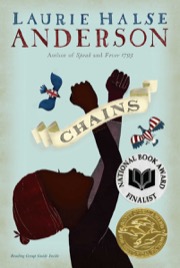
Chains by Laurie Halse Anderson
- Kid Rating: 63/100 | Parent Rating: 78/100 | Teacher Rating: 82/100
- Why Teachers Rank It Highest: This National Book Award finalist teaches American history from a perspective almost entirely absent from textbooks: the lives of enslaved people during the Revolution. Isabel’s voice is distinctive, intelligent, and heartbreaking. The novel challenges the myth that the Revolution fought for universal freedom.
- What Makes It Powerful: First-person narration gives readers access to Isabel’s impossible moral choices. The prose is elegant and controlled. Historical accuracy serves the story rather than overwhelming it. By the end, readers understand why neither Patriots nor Loyalists could be trusted by enslaved people seeking freedom.
- Best For: Readers aged 11-14 who are ready for:
- Serious historical fiction
- Moral complexity without easy answers
- Stories centering perspectives historically silenced
- Conversations about justice and freedom
- Reading Level: 780L Lexile (Grade 5-6)
- Length: 316 pages
- ⚠️ Content Note: Slavery depicted realistically, including violence and exploitation (not graphic but unflinching).
- Find on Amazon
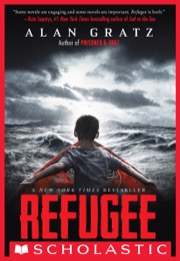
Refugee by Alan Gratz
- Kid Rating: 65/100 | Parent Rating: 80/100 | Teacher Rating: 90/100
- Why Teachers Rate It Highest: This book is an exemplary achievement in structure and empathy-building. Three protagonists separated by decades (1938 Germany, 1994 Cuba, 2015 Syria) and continents tell parallel stories of persecution and survival. The structure itself argues that refugee experiences are recurring global patterns, not singular crises.
- What Makes It Exceptional: Short, present-tense chapters create urgency. Alternating perspectives teach readers to hold multiple narratives simultaneously. The emotional weight is significant but not gratuitous. By the ending, readers understand why borders are sites of danger and why displacement is both historical and contemporary.
- Best For: Readers aged 11-15 who are ready for:
- Multiple simultaneous narratives
- Contemporary global issues
- Serious emotional content (death, separation, war)
- Books that reshape how they consume news
- Reading Level: Moderate (accessible prose, grade 5-7 vocabulary)
- Length: 345 pages
- ⚠️ Content Note: Religious persecution, war, childhood pregnancy, family separation, human trafficking implications, death.
- Find on Amazon
Gothic Fantasy with Emotional Depth
The Graveyard Book by Neil Gaiman
- Kid Rating: 71/100 | Parent Rating: 78/100 | Teacher Rating: 72/100
- Why Parents Love It: This Newbery Medal winner is written at the highest level of craft. Every sentence serves purpose. The prose is lyrical without being overwrought. Dave McKean’s illustrations add atmospheric detail. Parents recognize it as a literary achievement—a book their child will remember forever.
- What Makes It Special: Bod (Nobody Owens) is raised by ghosts in a graveyard, protected by a vampire, and must eventually choose between the safety of his supernatural family and the freedom of the living world. It’s a coming-of-age story about identity, belonging, and letting go, told with rare emotional sophistication.
- Best For: Readers aged 10-12 who love:
- Atmospheric gothic settings
- Gaiman’s imaginative worldbuilding
- Character-driven narratives over plot-driven ones
- Books with enough literary merit to revisit as teenagers
- Reading Level: Challenging (sophisticated vocabulary, British phrasing)
- Length: 312 pages with illustrations
- ⚠️ Content Note: Themes of death, loss, separation from loved ones. Emotional weight is significant.
- Find on Amazon
📊 Quick Comparison: Which Book Fits Your 10-Year-Old?
| Book | Reading Level | Emotional Weight | Pacing | Complexity | Best For |
|---|---|---|---|---|---|
| The Giver | 730L (accessible) | Significant | Slow, measured | High (philosophical) | Thoughtful readers, dystopia fans |
| Keeper of the Lost Cities | 720L (accessible) | Moderate-high | Fast | Moderate (plot + emotion) | Series lovers, fantasy enthusiasts |
| Chains | 780L (moderate) | Very significant | Steady | High (moral/historical) | History-minded, emotionally mature |
| Refugee | Moderate | Very significant | Very fast | High (structure + content) | Global-minded, emotionally mature |
| The Graveyard Book | Challenging (vocabulary) | Significant | Moderate | High (literary craft) | Readers seeking literary quality |
🎯 What Distinguishes Books for 10-Year-Olds?
At this age, readers graduate from plot-driven entertainment to stories with thematic substance. They want:
-
Protagonists facing real moral choices — Not heroes vs. villains, but characters making decisions with real costs and limited good options.
-
Worldbuilding that feels internally consistent — Whether it’s the Lost Cities or Depression-era New York, the world needs logic kids can understand and navigate mentally.
-
Emotional sophistication — Kids this age recognize when adults are trying to simplify emotions for them. They want stories that trust their capacity to understand complex feelings.
-
Structure that teaches — Refugee’s parallel narratives, The Giver’s strategic information-withholding, Chains’ unreliable authorities—these teaching structures deepen understanding.
-
Prose quality that respects intelligence — Neil Gaiman’s perfect sentences, Laurie Halse Anderson’s controlled voice, Alan Gratz’s urgent present tense—kids recognize when they’re reading good writing.
💡 Two Empathy Moments That Transform Readers
Perspective Shift Moments
Refugee’s three timelines teach readers that vulnerability, displacement, and persecution aren’t singular historical events—they’re recurring human experiences. By holding three stories simultaneously, readers develop capacity to empathize across difference and time.
Systems Awareness Moments
The Giver shows how well-intentioned systems (safety, comfort, efficiency) can normalize atrocity when applied without regard for human individuality. Chains reveals how institutional violence (slavery, war, exploitation) shapes individual lives. These aren’t abstract lessons—they’re lived stories that reshape how kids understand power.
❓ FAQs About Books for 10-Year-Olds
Q: My child is a strong reader at age 10. Are older books okay to start?
A: Yes. The Giver, Chains, and The Graveyard Book appeal to advanced 10-year-old readers and continue rewarding rereading into the teens. Reading level matters less than emotional readiness for serious themes.
Q: How do I know if Refugee is appropriate for my 10-year-old?
A: Read the first chapter yourself. If themes of persecution, family separation, and war feel emotionally manageable for your child’s maturity level, the book will likely engage them deeply. The author handles serious content with respect, never gratuitously.
Q: Should my child read The Giver before seeing the movie?
A: Absolutely. The book’s power lies in gradual revelation and philosophical subtlety. The film streamlines the story for action, losing thematic depth. The book gives readers the essential experience.
Q: Is Keeper of the Lost Cities appropriate for reluctant readers?
A: Excellent question. KOTLC works well for capable-but-unmotivated readers because the premise hooks them instantly and character friendships feel genuine. However, the middle section’s exposition and the series commitment may challenge truly reluctant readers.
Q: What if my child finds The Giver too slow?
A: That’s valid. Some kids aren’t ready for slow-burn philosophical fiction at 10. Try Keeper of the Lost Cities or Refugee instead. The Giver will be there when they’re ready for it—and they’ll often come back to it as teenagers.
Q: How do I discuss the heavy themes in these books?
A: Let kids lead. After finishing, ask: “What stayed with you?” Kids will naturally surface what mattered. For Chains, discuss what freedom meant to Isabel. For Refugee, ask why the book showed three timelines. These questions invite thinking without preaching.
🔗 Related Resources
- National Book Award Winners (Young People’s Literature) — Award-winning picks for 10-year-olds
- Goodreads Lists for 10-Year-Olds — Community-curated recommendations
- Teaching The Giver in Classroom (Penguin Teachers Guide)
- Best Books for 10-Year-Olds in 2026 — Mom Loves Best recommendations
- 50 Best Books for Tweens (Brightly)
📖 Take the KidsBookCheck Quiz
Not sure which of these advanced stories fits your 10-year-old best? Our reading personality quiz matches kids with the perfect book based on their emotional maturity, reading level, and what kind of stories reshape how they see the world.
📚 Citation
These books have been scored on the KidsBookCheck evaluation framework, which assesses 10 critical dimensions (First-chapter grab, Middle momentum, Character voice, Laugh-out-loud factor, Heart-punch, Ending satisfaction, Plot unpredictability, Mental movie, Playground quotability, and New world unlocked) across three evaluator perspectives: kids aged 8-12, parents, and educators.
What transformative books have shaped your 10-year-old’s reading life? Share your stories in the comments or send us a book recommendation. Learn more about our 30-dimension rating system that evaluates every book from three perspectives.
See our complete analysis for detailed kid, parent, and teacher scores.
Frequently Asked Questions
What age is this book best suited for?
Based on our 30-dimension analysis, this title works best for ages 9 to 11 depending on reading level and emotional readiness. Our three-scorecard system evaluates kid appeal, parent confidence, and teacher utility for a complete picture.
How does KidsBookCheck rate books differently?
Unlike single-score review sites, we evaluate every book across thirty dimensions using three separate scorecards for kids, parents, and teachers. This reveals gaps that star ratings hide and helps you match the right book to your specific child.
Can I get personalized recommendations?
Yes. Our free reader profile quiz matches your child with books based on how they actually read, not just their grade level. Take the quiz at kidsbookcheck.com/quiz for tailored picks.
Is this book appropriate for school use?
Our teacher scorecard specifically evaluates educational value, discussion potential, and curriculum alignment. Check the teacher scores in our full analysis for classroom suitability.