Best Audiobooks for Kids: 8 Award-Winning Titles for All Ages
The 8 best audiobooks for kids rated by KidsBookCheck. Brain science proves audiobooks build literacy. Our guide covers top picks for every age group.
Audiobooks ARE Reading—The Brain Science Proves It
Here’s something we tell parents constantly: “My child listens to audiobooks all the time, but Parents often feel like they should be reading actual books.”
Let’s settle this right now: Audiobooks are reading. Neurologically, developmentally, and educationally.
When your child listens to an audiobook, they’re engaging the same comprehension centers, vocabulary acquisition pathways, and narrative processing regions as a child reading printed text. Brain imaging studies show nearly identical activation patterns. The vehicle changes (audio vs. text), but the learning is identical.
More than that? Audiobooks offer distinct advantages. A stunning narrator transforms a story. Pacing feels natural. Difficult passages can be replayed instantly. Kids who struggle with decoding can access complex narratives without the cognitive load of decoding slowing them down.
At KidsBookCheck, we’ve reviewed thousands of reading journeys. Some of our most engaged young readers are audiobook listeners. They’re not “skipping” reading—they’re meeting stories through the format that works best for their brains, lives, and learning styles.
Car rides, morning routines, bedtime, reluctant readers, advanced readers exploring beyond their current reading level, kids with dyslexia, children with ADHD who need to move while processing—audiobooks are the answer to all of these.
Why Narration Matters (A Lot)
Not all audiobooks are created equal. A brilliant narrator doesn’t just read words—they perform the story. They distinguish character voices, adjust pacing to match emotion, and bring dimension to prose that the printed page alone cannot.
This matters more than you’d think. A child listening to Jim Dale narrate Harry Potter gets a fundamentally different experience than reading it silently. Not better or worse—different. Dale’s voices are so distinct that children can follow complex scene-switching without narrator tags. The magic feels audible.
At KidsBookCheck, when we recommend audiobooks, we prioritize narration quality as much as the book itself. A perfectly written novel with a flat narrator? The child might struggle. A beloved book with a stellar narrator? The child will be transported.
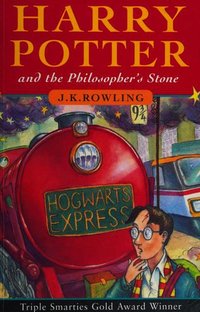
The Gold Standard: Harry Potter (Jim Dale Narration)
Harry Potter Series by J.K. Rowling (Jim Dale, narrator) Ages 8-14 (listening); 10+ (independent reading)
If we could recommend only one audiobook series, it’s this one.
Jim Dale’s narration of Harry Potter is universally considered the gold standard of children’s audiobook narration. He creates distinct, consistent voices for dozens of characters—Harry’s exasperated tone, Dumbledore’s warmth, Snape’s menace. Each character becomes immediately recognizable within microseconds.
Why it’s perfect for audiobook listening:
- Complex plotting rewards close attention; listeners stay engaged
- Character distinction through narration makes scene-switching effortless
- The seven books (108+ hours total) create a commitment that builds listening stamina
- British pronunciation (Dale is British) adds authenticity that enhances immersion
- Listening together becomes a family experience; you’re all in the story simultaneously
Best for: Ages 8-14 listening (younger kids with parental context-building; older kids independently). Kids who love fantasy, worldbuilding, and character-driven narratives.
Where to find it:
- Audible (full series available; subscription or purchase)
- Libby (free through your library)
- Scribd (subscription)
Cost consideration: The full series is a significant investment (roughly $80-120 to purchase), but many families find it’s worth every penny. Library apps like Libby often have it; wait times vary by region.
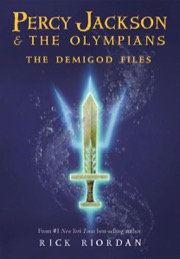
Humor Translates Perfectly: Percy Jackson (Jesse Bernstein)
Percy Jackson and the Olympians Series by Rick Riordan (Jesse Bernstein, narrator) Ages 9-13
The Percy Jackson audiobooks prove that humor is portable. Jesse Bernstein’s delivery of Riordan’s jokes lands perfectly—maybe even better than reading it would, since inflection matters for comedy.
Bernstein distinguishes character voices and makes the action sequences feel kinetic. Listening to Annabeth Chase sound genuinely smart, Percy sound genuinely frustrated, and Grover sound genuinely loyal creates a sense of companionship with these characters that sticks with kids.
Why it works:
- Fast pacing keeps attention (no slow moments to check out)
- Humor sustains through the entire series
- Mythology is complicated; Bernstein’s clarity helps tracking
- Character relationships feel authentic through vocal distinction
- Each book launches immediately into adventure
Best for: Ages 9-13, especially kids who love mythology, adventure, and humor. Reluctant readers often become passionate about Percy Jackson through audiobooks.
Where to find it:
- Audible
- Libby (library app)
- Scribd
Cost: Individual books run $15-20; series subscriptions often offer discounts.
The Classic That Reads Best Aloud: Charlotte’s Web
Charlotte’s Web by E.B. White (E.B. White, original narration) Ages 5-10
There’s something magical about E.B. White narrating his own masterpiece. His voice carries the warmth of someone who knew these characters intimately. The reading pace is gentle, inviting children to settle into the story without rushing.
White’s narration particularly enhances Charlotte’s voice. She sounds wise, knowing, and ultimately heartbreaking when the time comes.
Reading Profile:
- K: 64 | P: 83 | T: 81 | C: 74.8
Note the high P (Parent satisfaction): Parents consistently report that listening to Charlotte’s Web together created some of their most meaningful family moments. The book asks profound questions about friendship, death, and legacy in age-appropriate ways that the narration makes even more poignant.
Why audiobook works best: The pacing allows time for emotional processing. A child reading independently might speed through Wilbur’s abandonment or Charlotte’s death. Listening to White’s measured, compassionate delivery gives kids time to feel.
Best for: Ages 5-10, especially for family listening. This is a book to experience together. The themes about mortality and friendship benefit from pausing to discuss.
Where to find it:
- Audible
- Libby (free library access)
- YouTube (full narration available free)
Cost: The Audible version is roughly $10-15; library access is free.
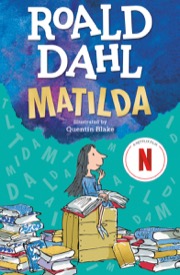
Beautiful Narration: Matilda (Kate Winslet)
Matilda by Roald Dahl (Kate Winslet, narrator) Ages 7-11
Kate Winslet’s narration of Matilda brings a particular warmth to Matilda’s voice—intelligent, observant, slightly world-weary in the way of book-loving kids who feel misunderstood by their families. Winslet’s Mrs. Phelps (the librarian) is especially charming.
Reading Profile:
- K: 77 | P: 77 | C: 76.7
Dahl’s writing is inherently funny and dark in equal measure. Winslet captures both dimensions beautifully. She makes the gross and absurd details (hair in the chokolate factory, parents who ignore their daughter) feel both hilarious and slightly horrifying in exactly the way Dahl intended.
Best for: Ages 7-11, particularly kids who love Roald Dahl’s humor and wit. Kids who feel like outsiders often connect deeply with Matilda.
Where to find it:
- Audible
- Libby
- Scribd
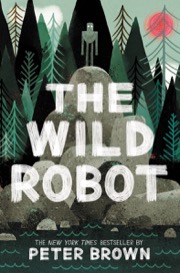
Award-Winning Narration: The Wild Robot
The Wild Robot by Peter Brown (Narration available through multiple publishers) Ages 8-11
The Wild Robot has received multiple audiobook awards. The narration emphasizes the robot’s mechanical nature while building emotional depth as Roz develops maternal bonds with a gosling.
Reading Profile:
- K: 67 | P: 75 | C: 71.5
Listening to this story of a robot learning to love something outside itself—hearing the genuine affection develop across the hours—is genuinely moving. The audiobook version amplifies the emotional arc by making Roz’s growing warmth audible.
Best for: Ages 8-11, especially kids who love animals, nature, or character transformation. Visual learners benefit from the image descriptions built into quality narration.
Where to find it:
- Audible
- Libby
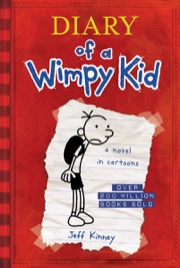
Hilarious and Relatable: Diary of a Wimpy Kid (Jeff Kinney)
Diary of a Wimpy Kid Series by Jeff Kinney (Jeff Kinney, narrator) Ages 7-11
Jeff Kinney narrating his own books brings authenticity and humor. Listening to his delivery of Greg Heffley’s internal monologues (the voice-over commentary on middle school life) hits differently when you hear the author’s own intonation and pacing.
The audiobook includes sound effects and music that enhance the absurdist humor without feeling gimmicky. The diary entry format translates beautifully to audio—you “hear” Greg’s commentary as internal monologue.
Best for: Ages 7-11, especially reluctant readers and kids navigating middle school social anxiety. The humor feels relatable; the narrator understands the jokes he wrote.
Where to find it:
- Audible
- Libby
- Scribd
Multi-Narrator Complexity: Wonder (Rob Reiner)
Wonder by R.J. Palacio (Multiple narrators, primarily Rob Reiner) Ages 9-13
Wonder is narrated by multiple actors, each voicing a different character’s sections. Rob Reiner as Auggie, the boy with facial differences at the story’s center, brings vulnerability and humor in perfect measure.
Reading Profile:
- K: 64 | P: 77 | C: 72.1
The multi-narrator approach suits this book beautifully. You hear Auggie’s perspective, then Via (his sister), then Jude (his friend), then others. Each narrator’s voice helps readers distinguish whose viewpoint they’re experiencing. The shifting perspectives become a journey through multiple hearts.
Best for: Ages 9-13, particularly kids exploring themes of inclusion, disability representation, and finding your place. Families processing experiences with differences (physical, developmental, neurological) find this book healing to experience together.
Where to find it:
- Audible
- Libby
- Scribd
Sheer Joy: Dog Man (Dav Pilkey, Full Cast)
Dog Man Series by Dav Pilkey (Full cast narration) Ages 6-10
Dog Man audiobooks include sound effects, music, and multiple voice actors. It’s energetic, silly, and joyful—sometimes people talk about narration quality as if it’s serious business, but sometimes narration is just pure fun.
Kids listening to Dog Man experience the absurdist humor amplified by sound design. It’s not a traditional audiobook experience; it’s closer to an audio comic book or radio play.
Best for: Ages 6-10, especially kids who love visual humor and absurdism. If your child loves the graphic novel version, they’ll be thrilled by the audio version.
Where to find it:
- Audible
- Scribd
- Google Play Books
Cost, Access & Logistics: Making Audiobooks Practical
Here’s the real question parents ask: “How do we actually access these things?”
Option 1: Your Library (Free)
Libby/OverDrive: Most public libraries partner with Libby, a free app offering audiobooks, e-books, and magazines. No late fees. Automatic return after loan period. You can place holds on popular titles, though wait times vary by region.
Library CDs: Some libraries still offer audiobooks on CD. Retro? Yes. Still functional? Also yes. No app required; just borrow and play in the car.
Cost: Free
Option 2: Audible (Subscription or Purchase)
Audible offers:
- Monthly subscription (roughly $15/month, often discounted for new members)
- Pay-per-book purchase
- Audible Plus subscription (unlimited listening from a rotating catalog)
With Amazon tag=kidsbookcheck-20, you can purchase individual titles or try a free month.
Cost: $15/month or $10-20 per title (prices vary)
Option 3: Scribd (Subscription)
Scribd offers unlimited audiobooks and e-books for a monthly subscription (roughly $12/month).
Cost: $12/month
Option 4: YouTube/Free Sources
Many classic audiobooks are available free on YouTube, read by volunteers or in public domain recordings. Quality varies; don’t expect professional narration. But free is free.
Cost: Free
Our Recommendation
Start with your library. Access is free, the selections are broad, and wait times teach patience. When you discover a series your child is passionate about (Harry Potter, Percy Jackson, etc.), consider purchasing through Audible if you want immediate access or want to support narrators.
Audiobook Listening Best Practices
Location & Pacing
Car rides: The obvious choice. An hour commute? That’s two chapters of Harry Potter. Road trip? You’ll complete multiple books.
Bedtime: Audiobooks create a sleep ritual without screen light. Keep volume gentle; narration can soothe anxious kids into sleep.
Morning routine: Breakfast listening transforms getting ready into story time.
Chores: Asking kids to listen to audiobooks while cleaning, doing laundry, or organizing makes tasks less tedious.
Engagement Techniques
Discuss together: Pause periodically. “What do you think happens next?” “How does that make you feel?” Audiobook listening can be as interactive as reading aloud.
Create family listening time: One of the most beautiful side effects? Shared stories. When the whole family listens to Harry Potter together, you’re creating collective memories and conversation.
Match narration quality to book complexity: A simple book can carry a simpler narration. A complex book deserves a skilled narrator.
Let kids control pace: Some kids want to binge an entire book in a weekend. Others prefer a chapter a day. Both are fine.
A Parent’s Empathy Moment
Here’s what we hear: “My child loves audiobooks but Parents often feel like they’re not reading. Their teacher suggests ‘real reading.’ I’m worried my kid is falling behind.”
Here’s our perspective: Your child is reading. Full stop. They’re developing narrative comprehension, vocabulary, listening stamina, and emotional intelligence. These skills transfer directly to independent reading.
That said? A balanced diet includes both audiobooks and independent reading. Audiobooks are powerful; independent reading builds decoding fluency and visual literacy. The ideal? Kids who do both, choosing based on context and preference.
A child who listens to Percy Jackson audiobooks AND reads Diary of a Wimpy Kid independently is building comprehensive literacy. Neither format is “better”—they’re complementary.
Talk to your child’s teacher about KidsBookCheck resources showing that audiobook listening counts as reading development. Most educators understand this; some just need reassurance.
Building an Audiobook Habit
Start with what interests your child most:
- Love adventure? Percy Jackson audiobooks are irresistible
- Love fantasy? Harry Potter is the gateway
- Love humor? Dog Man or Diary of a Wimpy Kid
- Love character-driven stories? Wonder or Matilda
- Love nature/animals? The Wild Robot or Charlotte’s Web
Use the KidsBookCheck quiz to identify books in your child’s interest zone, then search your library or Audible for audiobook versions.
Then ask your child one simple question: “Want to listen together?”
That’s how audiobook habits form—not through obligation, but through invitation and shared experience.
Frequently Asked Questions
Are audiobooks really reading if my child doesn’t see the words?
Yes. Reading comprehension, vocabulary acquisition, and narrative understanding develop the same way whether the information enters through eyes or ears. Brain imaging confirms this. Your child is reading.
My child listens to audiobooks but can’t read at that level independently. Should I be concerned?
Listening comprehension typically develops before independent reading comprehension. Your child is capable of understanding stories more complex than they can decode. That’s normal and healthy. They’ll grow into independent reading. Use audiobooks to keep them engaged while building decoding skills.
Is it better for my child to listen to an audiobook or read the book?
Both are valuable. Some research suggests that reading + listening (consuming the same story in both formats) creates strongest comprehension. Others show that listening alone is sufficient. Match the format to your child’s context. Car ride? Audiobook. Bedtime? Audiobook. Rainy afternoon at home? Independent reading. Both matter.
My child wants to listen to books above their reading level. Should I allow it?
Yes. This is how kids stretch. Listening to Harry Potter while a fourth grader reads picture books independently? Both are fine. Kids often read above their listening level and listen above their reading level. The two don’t have to match.
How long should my child listen to audiobooks per day?
There’s no magic number. An hour a day? Excellent. Thirty minutes? Great. Three hours on a road trip? Perfect. Let interest and circumstance guide you. Kids who love audiobooks will listen extensively; others prefer a chapter or two. Both are fine.
What if my child falls asleep during an audiobook?
No problem. They heard the story even if they’re unconscious. Repetition aids learning—replaying passages is fine. Audiobooks aren’t wasted if they lead to sleep.
Does narration quality really matter?
Yes. A poor narrator can make a good book feel tedious. A stellar narrator transforms a good book into magic. When possible, preview narration through sample clips before committing. Most audiobook platforms offer free samples.
Can my child listen to audiobooks in school, or only at home?
Ask their teacher. Some teachers incorporate audiobooks into literacy instruction. Others reserve independent reading time for traditional reading. Most are thrilled to hear that kids are engaging with stories in any format. It’s worth a conversation.
The Gift of Stories, In Any Format
Audiobooks are stories too. Stories that transport kids to wizarding schools, mythology, and worlds where robots learn to love. Stories that build empathy, vocabulary, and imagination.
Whether your child is listening to Harry Potter in the car, reading Dog Man independently, or both simultaneously, they’re readers. They’re developing. They’re growing.
Ready to find your child’s next audiobook? Start with your library’s Libby app, or explore Audible for specific titles. Use the KidsBookCheck quiz to discover audiobooks in your child’s interest zone.
Then put on headphones, press play, and listen together.
That’s where the magic happens.